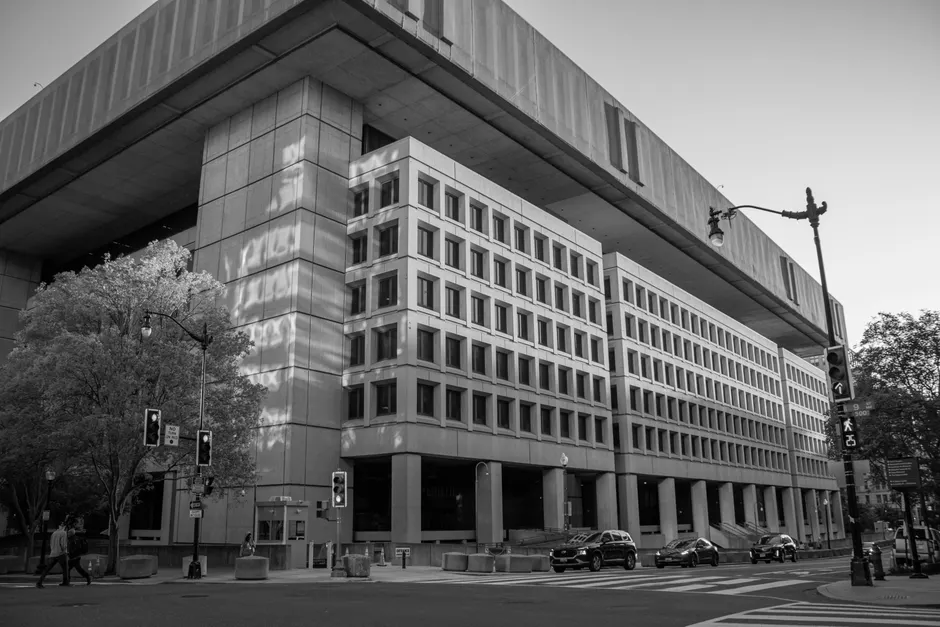
ShinyHunters Claims Sweeping FBI Breach Spanning Agents and Applicants
ShinyHunters claims it breached the FBI and stole personnel and applicant data. The group made the claim on September 22, 2026, describing theft on a scale covering thousands of current agents and job applicants.
The claim was posted on ShinyHunters' dark web leak site, which TechCrunch reviewed. In that post the group claimed to have stolen "sensitive data on almost all FBI agents and individuals who filed an application with the FBI for a job" TechCrunch. Reuters also reported on September 22, 2026 that the group known as ShinyHunters says it breached the FBI Reuters.
404 Media first reported the claimed breach after receiving a sample of the material. The sample contained stolen names, home addresses, and phone numbers of FBI agents and their spouses, a portion of which 404 Media verified against public records. That sample covered 5,000 alleged agents 404 Media.
The reported intrusion path started outside the core personnel database. The hackers breached an Oracle PeopleSoft server and then pivoted to an Amazon-hosted government cloud storing agents' and applicants' data, according to 404 Media reporting cited by TechCrunch TechCrunch. For practitioners, the sequence matters. PeopleSoft provided initial access. The cloud store held the regulated, high-value data.
The public-facing disruption centered on hiring infrastructure. The hackers reportedly defaced the FBI's jobs site apply.fbijobs.gov, including the special agent applicant portal. On September 22, 2026 the site showed "currently down for maintenance."
ShinyHunters said the FBI hack was "not financially motivated" and demanded the FBI remove an IC3 report it says contains false allegations about the group. The group told 404 Media it took terabytes of FBI data and did not say what it would do with the information if the FBI does not take down its published report.
The IC3 report at issue is PSA260515, titled "ShinyHunters: Cyber Criminal Group Attacks Learning Management System" IC3. It was published on May 15, 2026. Separately, the FBI had warned organizations about a campaign by cybercriminal groups including Scattered Spider and ShinyHunters to compromise Salesforce platforms, in a notice published September 15, 2025.
TechCrunch described the claimed ShinyHunters incident as the second known breach of an FBI system in 2026, after hackers broke into a system for managing real-time wiretaps and foreign intelligence-gathering warrants.
The broader context here is architectural rather than purely operational. When HR-adjacent systems such as PeopleSoft are network-reachable and trust relationships extend into cloud storage holding personnel records, lateral movement can turn a peripheral compromise into bulk PII exfiltration. Applicant data widens the blast radius further, because it includes people who never became employees and never entered internal security training or monitoring. Retention policy and segmentation of applicant stores become first-order controls, not compliance footnotes.
Looking at what this means for federal IT operators and contractors, verification will be the near-term work. Sample-based validation against public records establishes plausibility, not full scope. Full scoping requires forensic comparison of PeopleSoft logs, identity provider telemetry, cloud access logs and exfiltration volume against the terabytes claimed. In my view, the durable lesson is unglamorous. Harden the join between legacy enterprise applications and cloud data lakes, shorten retention for unsuccessful applicant PII, and assume leak-site claims will force notification decisions before internal investigation closes. Those steps do not prevent every intrusion, but they reduce how much a single pivot can take.