FBI Confirms Theft of Agents' Personal Data in FBIJobs.gov Breach
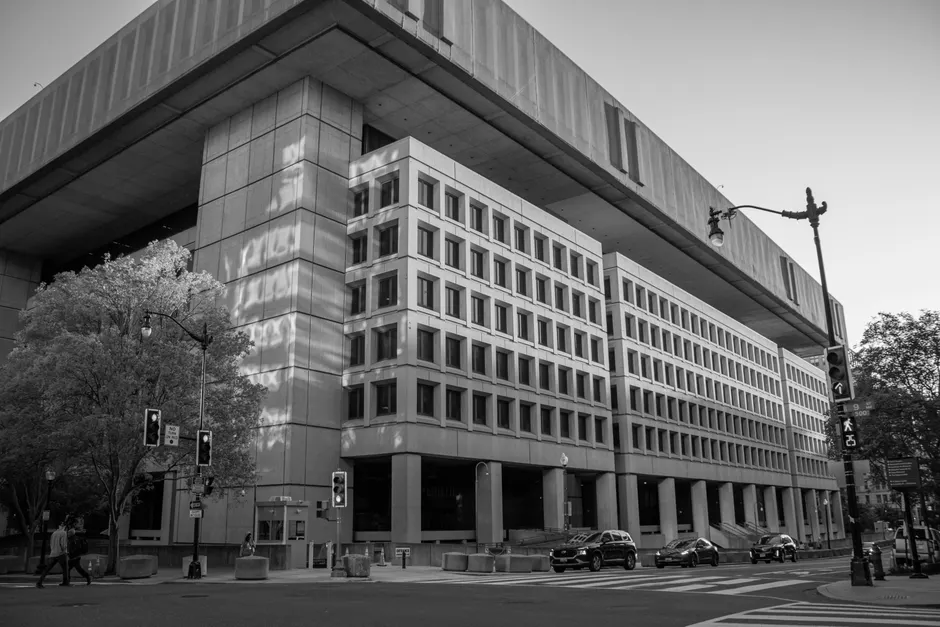
The Federal Bureau of Investigation has told agents and support staff that their personal information was stolen in a cyberattack targeting its job application portal. The bureau declared a "cyber security incident" in an internal notification to staff, according to reporting on September 28. TechCrunch
The notification said names, addresses, job titles and Social Security numbers were exposed in the breach. Stolen data also included medical information such as records relating to blood and urine samples and psychiatric reports.
Investigators trace the intrusion to a vulnerability in an Oracle PeopleSoft server hosting human resources information. That system underpinned FBIJobs.gov, the portal used by applicants seeking bureau employment. Internet-facing HRIS platforms carry concentrated PII, and exfiltration there yields identity data in bulk rather than through endpoint-by-endpoint collection.
The claimant is ShinyHunters, described by Reuters as a digital extortion group. The group claimed to hold data on mostly all of the FBI and a substantial amount of information on applicants who applied through the FBIJobs.gov portal. TechCrunch
That confirmation follows a week of uncertainty. Last week the FBI said it was aware a hacking group had claimed a cyberattack, but that theft of data was "still undetermined". Reuters reported on September 22 that ShinyHunters said it had breached the FBI and stolen data. The New York Times reported on September 23 that the hackers said they stole thousands of sensitive FBI records. The New York Times
Additional claimed details widened the scope during that interval. The hackers claim to have every FBI agent's name, role and badge number, as well as agents' phone numbers. BBC Allegedly stolen material also includes granular detail about scores of bureau officials' job assignments and intelligence roles. Reuters ShinyHunters said it stole sensitive personnel information belonging to thousands of people.
The stated demand breaks from the usual extortion script. ShinyHunters said they are not seeking a financial ransom but are demanding correction of an earlier FBI-issued report. That distinction matters. It shifts the incident from a straightforward double-extortion play toward coercion centered on public narrative.
The counterintelligence exposure is direct. TechCrunch reported on September 22 that theft of FBI agents' personal information could present a major counterintelligence threat involving extortion targeting agents and their families. The combination at issue here, full identifiers plus SSNs plus medical files plus assignment and intelligence-role data, compresses the work required for targeting, phishing, and coercion.
The broader context here is architectural rather than exotic. A single PeopleSoft instance holding applicant flow, employee identifiers, and health-related screening records creates a high-value lateral target with a web-accessible attack surface. For security teams, the lesson is familiar: segmentation of HR, medical, and operational assignment stores, strict egress monitoring, and rapid patching of edge enterprise applications. Credentialed access to one store should not imply access to the others.
In my view, this incident will accelerate that separation inside government hiring systems. Applicant portals have long optimized for throughput and record retention. The tradeoff now looks different. Shorter retention for medical screening artifacts, tokenization of SSNs in front-end systems, and isolated enclaves for role and clearance data would reduce blast radius without blocking hiring. I watched my own children submit detailed background forms online as young adults with little sense of where those records live afterward. That opacity is the core usability failure. Systems that make retention and access legible tend to get fixed faster, and this breach gives defenders a concrete case for building them that way.