Trump Weighs Diesel Export Ban as Prices Soar

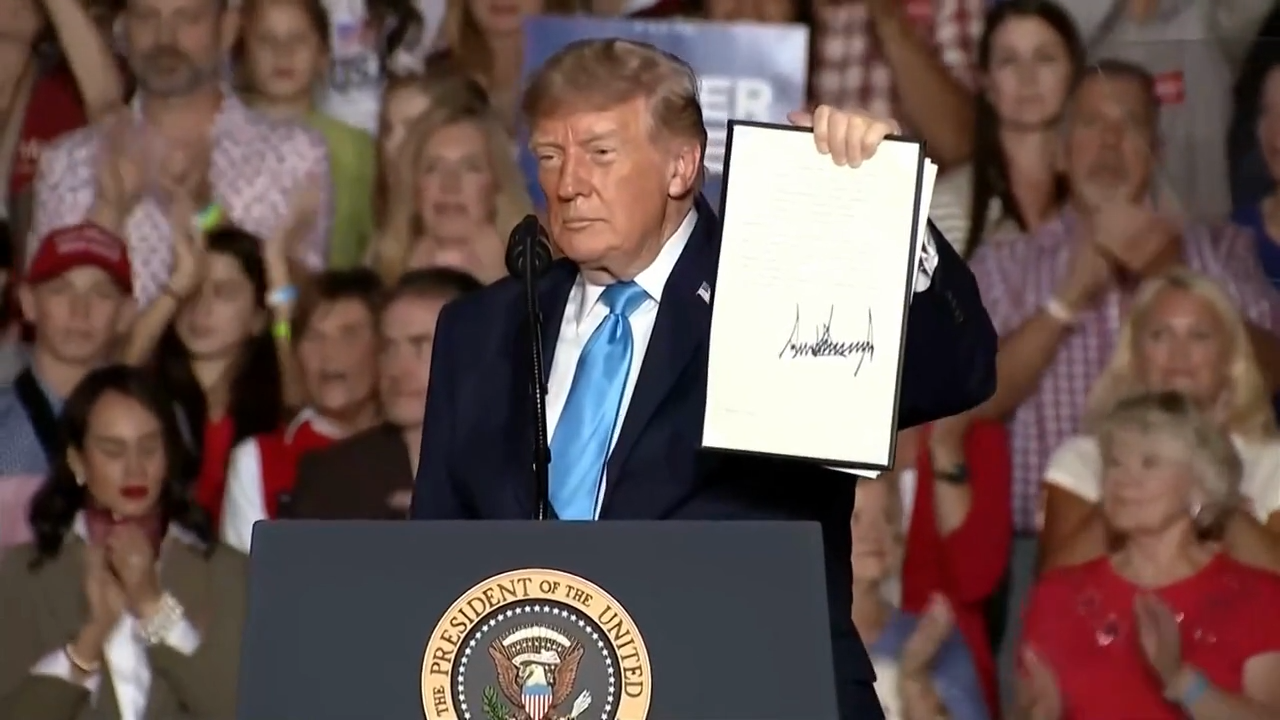
President Donald Trump said he is considering restricting diesel exports in an effort to curb soaring fuel prices. The statement, reported on Sept. 22, puts a direct export intervention on the table for U.S. distillate markets. It stops short of a decision. No scope, timeline or legal mechanism has been announced.
Treasury Secretary Scott Bessent said the administration is considering a full or partial ban on diesel exports, according to Sept. 22 reporting. CNBC That frames the option set more explicitly than the White House comment alone. A full ban would halt outbound flows. A partial ban would leave some exports licensed. Both remain under review, not ordered.
The pressure is coming from inside the coalition. President Trump is facing growing calls from Republican allies in farm states to restrict diesel exports as prices soar, according to Sept. 21 reporting. Politico Farm-state Republicans are sensitive to diesel as an input cost. Harvest, trucking and grain drying all run on it. Refiners and integrated oil interests generally oppose export curbs. The split is familiar: consumers of fuel versus producers of fuel.
How a partial ban could work
Some energy advisers say the administration could implement a partial fuel-export ban by cutting authorized exports by a certain percentage, according to Sept. 17 reporting. Wall Street Journal The structure would be administrative. Export authorizations would be scaled back rather than eliminated. Shippers would receive reduced quotas or fewer licenses.
For traders, the distinction matters. A full ban severs Atlantic Basin arbitrage. A percentage cut preserves the licensing architecture while throttling volume. It also preserves optionality. The percentage can be adjusted. It can be differentiated by product, destination or time window. None of those design choices have been specified.
Contract exposure would turn on implementation details. Existing cargo commitments, pipeline nominations and storage positions cannot be repriced instantly. Force majeure, change-in-law and export-compliance clauses would be tested. Refiners with coastal export optionality would face a different margin equation than inland refiners captive to domestic distribution. Again, this is mechanical. The administration has not published terms.
Russia extends its own restrictions
The Russian government decided to extend restrictions on diesel exports for fuel producers until the end of October 2026, according to Sept. 15 reporting. Reuters That extends a curb that had been set to run through September 2026 as fuel shortages persisted in the domestic market, according to earlier Aug. 25 reporting. Reuters
Two export restraints moving in parallel would tighten the seaborne distillate pool from both sides. Russia is restricting to protect domestic supply. The U.S. is discussing restriction to lower domestic prices. The motives differ. The near-term effect on available export barrels points in the same direction.
Trump has posted on Truth Social that the world's diesel price rise is mostly caused by the Russia/Ukraine War, not Iran. The post is undated in the available record and ranks below the dated September policy statements for sequencing. It aligns the White House narrative with supply disruption from the war rather than with Iran-related factors.
Split inside the administration
U.S. Interior Secretary Doug Burgum said on Sept. 14 that a ban on U.S. oil or fuel exports would be unlikely to help lower energy prices, according to contemporaneous reporting. Reuters That assessment predates the Sept. 22 statements from Trump and Bessent by eight days. It has not been withdrawn in the verified record. It now sits in direct tension with the policy under review.
The disagreement is substantive, not procedural. Export bans aim to trap barrels at home. Domestic product prices can still clear to global parity if crude inputs, refinery yields, logistics and inventory incentives remain linked to world markets. Regional basis can soften. National screen prices often do not, unless refining bottlenecks or logistics are the binding constraint.
The broader context here is the fungibility problem that has bedeviled every product export debate. Diesel moves. If Washington withholds barrels, other Atlantic suppliers can redirect, draw stocks or adjust runs, subject to capacity and specification limits. Domestic relief depends on where the constraint actually binds: refining, pipeline, storage or crude supply. An export ban addresses none of those directly. It changes where finished barrels can be sold.
Looking at what this means for market structure, a U.S. curb would redistribute margin along the chain. Domestic wholesale buyers could benefit if local availability rises. Coastal refiners optimized for export would lose netback flexibility. Midcontinent and farm-belt end users could see faster pass-through than coastal markets, depending on pipeline access and inventory cover. International buyers of U.S. diesel would need to replace barrels in an already tight market, with Russian barrels also constrained through October.
In my view, the credibility test is the partial-ban design. A blunt, indefinite halt invites evasion, legal challenge and retaliatory logistics shifts. A defined percentage cut, with a sunset and clear product definitions, is easier to administer and easier to reverse. The advisers' version described so far, a cut to authorized exports by a certain percentage, lacks the parameters traders would need to price: percentage, duration, product scope and destination treatment. Until those appear, the market can only price probability, not impact.
The calendar now controls the next move. Russia's restriction runs to the end of October 2026. Washington has announced review, not action. Farm-state pressure builds into harvest demand. The question is whether the administration formalizes a quota, backs away after agency modeling, or holds the threat as leverage over domestic pricing behavior. Each path leaves distillate volatility elevated.