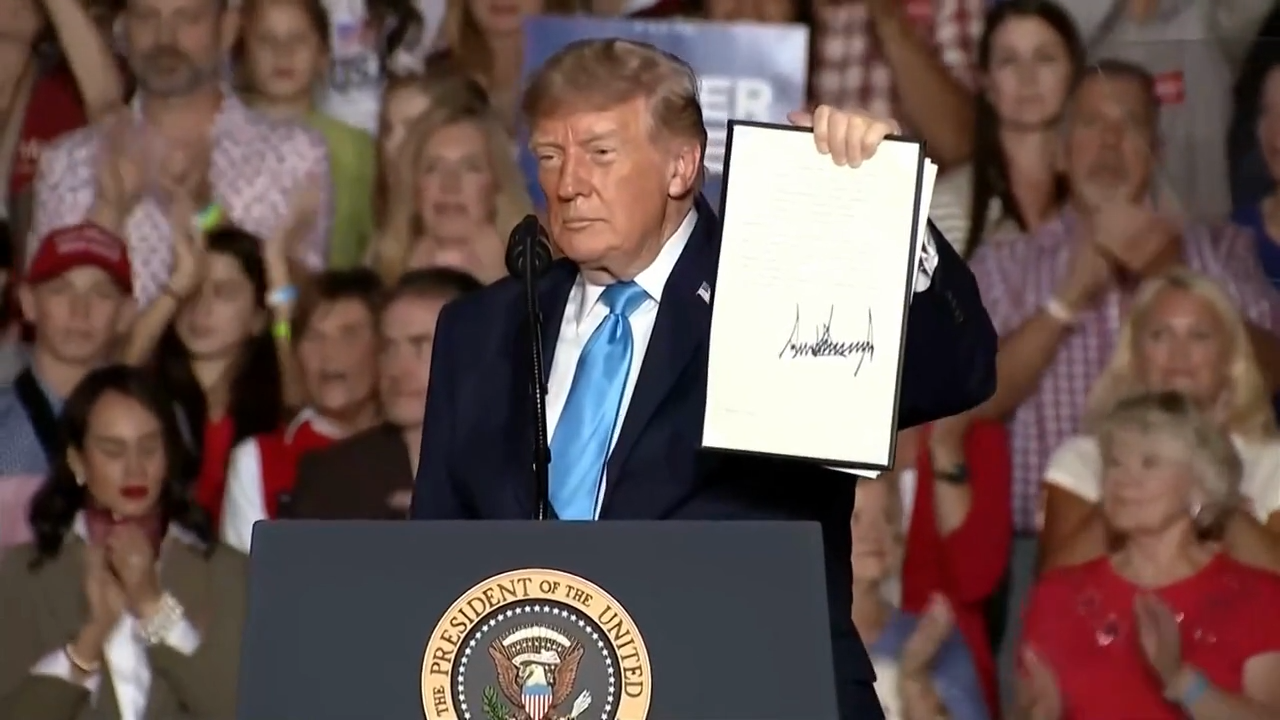
Trump Backs Diesel Export Ban Idea as Analysts Warn of Backfire

President Donald Trump said on September 22, 2026 he backed the idea of banning U.S. diesel exports and had told advisers to examine options for diesel export restrictions. Reuters reported the endorsement. S&P Global reported Trump told advisers to examine restriction options amid Republican pressure over prices. He described it as an idea for study.
Some senators and governors called on the Trump administration to temporarily ban diesel exports to boost domestic supply, according to Marketplace. Senate Republicans clashed over a proposal to embargo diesel exports to lower domestic prices amid high costs for farmers, The Hill reported. The proposal centers on domestic supply. It centers on farm operating costs.
The price pressure is acute. U.S. diesel prices topped $6.50 per gallon, CBS News reported. U.S. diesel prices hit record highs due to a global supply shortage, according to Reuters. The diesel Americans buy in a single day cost roughly $321 million more than a year earlier, Axios reported. That is a direct tax on movement.
A U.S. diesel export ban would almost certainly temporarily lower prices for some consumers along the Gulf Coast and in the Midwest, according to the Atlantic Council. That assessment was published on September 23, 2026. It limits the benefit in time. It limits the benefit in geography.
The same intervention could raise fuel and gasoline prices on the East and West Coasts, Reuters reported. A ban could cut refinery runs by 2 million barrels per day, according to S&P Global. Two million barrels per day is refinery throughput. It is not a rounding error.
Analysts warned a U.S. diesel export ban would push up diesel prices globally, according to U.S. News and Axios. Analysts warned it would hurt U.S. refining margins. Energy analysts said it would likely raise diesel prices eventually in the U.S. The warnings point in one direction. Near term relief gives way to higher cost.
Export bans have been debated before as pump-price tools. MarketWatch maintains a June 22, 2022 archive listing an item titled "Biden official won't rule out ban on fuel exports". In November 2021, MarketWatch published an article titled "Why tapping the SPR is one of many 'bad' options to ease gasoline prices". That article reported that stopping U.S. crude exports would backfire by disincentivizing domestic crude production. The argument was about incentives. Shut the outlet, shrink the investment.
The legal regime for exports changed on December 18, 2015, when the U.S. enacted legislation authorizing the export of U.S. crude oil without a license. External supply tightened later. The EU banned imports of Russia's crude oil and oil products, including diesel fuel, in late 2022 and early 2023. That included the June 3, 2022 sixth sanctions package banning imports of seaborne crude oil from Russia into the EU, and the early 2023 ban on seaborne imports of diesel fuel from Russia.
The broader context here is why traders and refiners treat an export embargo as a segmentation shock rather than new supply. Gulf Coast and Midwest cash prices could soften while barrels are bottled domestically, but coastal markets priced off waterborne supply would face higher replacement cost. Refiners facing weaker margins and constrained outlets typically reduce runs, which then tightens the joint output of diesel and gasoline. In my view, that sequence explains the analyst consensus around temporary inland relief followed by broader tightness.
Looking at what this means for risk, the proposal creates divergent exposures rather than uniform relief. Gulf Coast differentials would be the first signal of containment, East Coast and West Coast basis would be the signal of stress, and global diesel spreads would transmit the withdrawn U.S. length to Europe and Latin America. For professionals, the question is duration. A temporary ban pulls forward relief and pushes back costs through lower runs and deferred investment, the same disincentive mechanism cited in the 2021 crude-export debate.