Eight Sleep Rebuilds Its Sleep System Around 18 Sensors and Faster Thermal Control
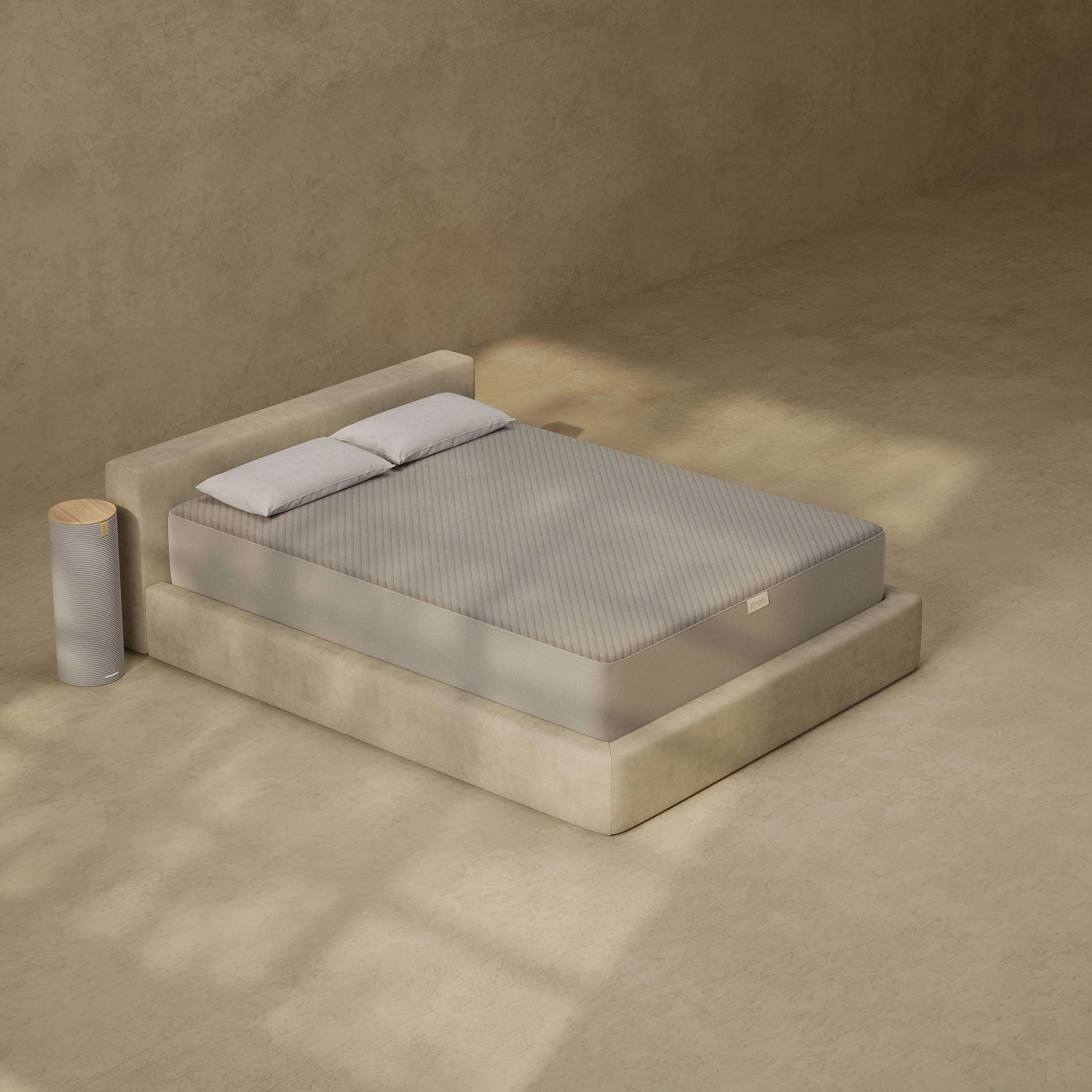
Eight Sleep has announced the Pod 6, its newest smart sleep system built around a hub and mattress cover rather than a mattress itself. The system is available for purchase now. Engadget
The company says the Pod 6 models were rebuilt from the ground up. It describes the release as its most significant hardware launch to date.
The hub was redesigned to fit under most bed frames. It pumps temperature-controlled water into the included cover. Eight Sleep says temperature adjustment is around 20 percent faster than its prior products.
The company lists per-side regulation from 12°C to 43°C with no impact from the other side. It says one Pod 6 Hub powers both sleepers. The company also describes the Pod 6 as the smallest, most powerful Pod yet and says the redesigned thermal engine delivers quicker relief from hot flashes, night sweats, or chills. The system works with any mattress.
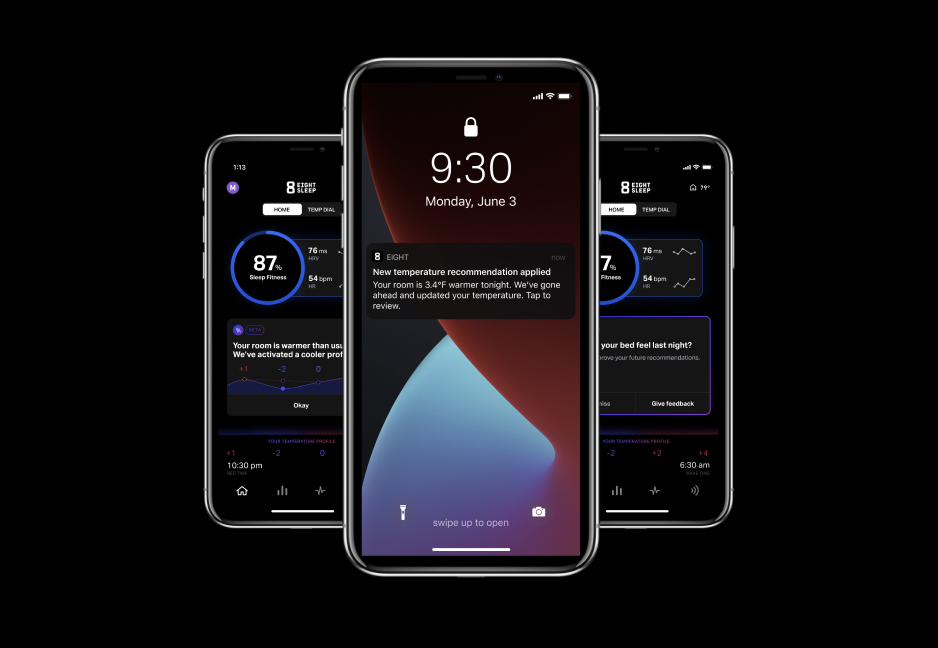
Sensing is where the hardware change is most concrete. Pod 6 includes 18 biometric sensors, compared to 2 in the Pod 5. The sensors track heart rate, breath rate, heart rate variability, snoring, and sleep stages without a wearable. Sleep information is available through a proprietary app.
The cover is described as cooling, heating, tracking, and responding on both sides via built-in biometric sensors. The sensors can distinguish two people sleeping close together. They can also separate a human sleeper's signal from a pet on the bed.
Control is handled by Autopilot. The system automatically adjusts the cover based on sleep stage and ambient temperature. Eight Sleep says the app can sync fitness apps and provide health insights.
The company says the Pod 6 reduces snoring. It also says the system helps users fall asleep faster and stay asleep longer.
It is not a mattress. That distinction matters for installation and upgrade path, since existing mattresses stay in place.
Pricing is tiered by size and zone configuration. The Solo model is a solo-sleeper size without a dual-zone temperature regulation system. Solo pricing starts at $1,999. Mashable
Standard pricing starts at $2,699. In Standard, Full costs $2,699 and Queen costs $2,899, with prices going up to $3,000 depending on mattress size. In the EU, Eight Sleep lists starting pricing at €2,199, with Solo sizes for EU Single or for one side of an EU Super King.
Every Pod 6 model requires an Autopilot subscription costing $17 to $25 per month. The subscription is mandatory, not optional.
Looking at what this means for technologists evaluating sleep systems, the jump from 2 to 18 sensors points to denser spatial sampling across the sleep surface. In my view, that is the enabling change for the two harder sensing claims here, close-proximity dual-occupant separation and human-versus-pet discrimination. Both require resolving overlapping pressure, motion, and respiratory signals rather than simply detecting presence.
Worth flagging is the closed-loop architecture. Thermal actuation tied to sleep stage and ambient temperature moves the product away from a preset bed warmer or cooler and toward continuous regulation. Faster thermal response shortens the control loop, which should improve stability when two zones run divergent setpoints from a single hub. In this author's view, the practical test will be consistency of sleep-stage classification from under-mattress sensing and how conservatively Autopilot trades thermal comfort against sleep continuity. If that loop holds up in real bedrooms, with partners, pets, and varied mattresses, the long-arc benefit is straightforward, more nights with fewer thermal awakenings and richer longitudinal cardiorespiratory data without asking users to wear anything to bed.