Bank Stocks Drop as AI Selloff Meets a Flattening Curve
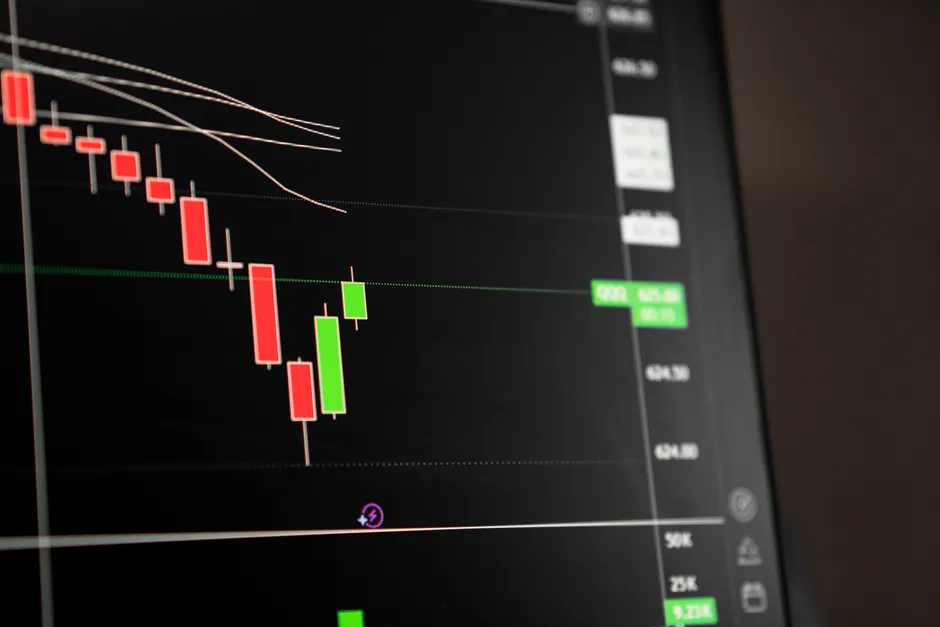
The S&P 500 bank index dropped 2.7% on Tuesday, September 22, 2026, as financial stocks fell with artificial intelligence and a flattening yield curve in focus. Reuters
Schwab shares fell 6.1% on September 22, 2026. Ameriprise shares fell 4.4% on the same day.
The September 22 decline extended pressure that had built earlier in the month around AI-linked equities. A selloff in chipmakers dragged down stocks in September 2026 after leaders of artificial-intelligence giants proposed slowing development of the technology. Bloomberg
AI-linked stocks fell worldwide after leaders of major AI companies warned of potentially existential risks. AI-linked Asian stocks slumped after top lab CEOs called for slowing down the technology. Reuters
The selling was broad. The S&P 500 was on track for its sixth decline in seven days amid an artificial-intelligence selloff. Barron's The 10-year yield hit 5% on September 14, 2026, as stocks fell on AI fears. Bloomberg
That call came early. Bank of America strategist Sebastian Raedler said in August that markets were mistakenly pricing the AI trade as an ongoing certainty. Raedler warned of scope for a 5% to 10% market pullback tied to AI. Morningstar
Banks had already shown sensitivity to the same combination. The KBW Nasdaq Bank Index fell 4.85% amid credit and AI fears. The 4.85% fall was its largest one-day drop since last April's tariff turmoil. WSJ
The broader context here is a two-channel repricing. Equities were discounting a long capex cycle tied to AI compute, while banks and diversified financials were exposed through credit, fee income and duration. When the technology narrative wobbled, both legs adjusted at once. Curve flattening added a separate squeeze on net interest margin expectations, which tends to hit lenders and custody and asset management models differently but in the same direction.
In my view, the sequence from August to September is the point to keep separate from the daily noise. Raedler's August warning framed the AI trade as priced for continuation rather than for variance. September then delivered variance, first through chipmakers and Asian AI-linked names, then through the broad S&P 500, then through U.S. financials. The February KBW move reads as precedent, not as template. It paired credit fear with AI fear, while the September move paired AI fear with curve shape.
Looking at what this means for positioning, the question is how much of the bank selloff reflects earnings linkage and how much reflects multiple compression imported from technology. A 2.7% index drop with 6.1% and 4.4% declines in individual large financial names points to dispersion, not a single-factor move. For risk desks, that argues for parsing rate sensitivity, credit exposure and AI-capex counterparty risk separately, rather than treating financials as a clean hedge or proxy for the AI trade unwinding.