Meta Pushes Muse From Chatbot to Persistent Agent With Email, Computer Use and Video
Meta will give its Muse personal AI agent its own email address, computer-use capability on the Mac, live video conversation, and a deployment on smart glasses in the coming months. The Verge detailed the updates on Sept. 23.
Agents will get dedicated email addresses to use for accomplishing tasks. Users will also be able to communicate with their Muse agent over those addresses. Email is still the universal API. For an agent, a persistent inbox means a persistent identity that can handle asynchronous workflows, receive receipts and confirmations, coordinate with other people and services, and operate where no structured API exists.
The Muse Mac app will gain the ability to use the user's computer. Meta has not disclosed the permission model or sandboxing for that capability in the material covered here, but the direction is clear. Computer use shifts the agent from calling integrations to operating interface elements directly. That expands coverage to long-tail desktop software at the cost of new failure modes around grounding, state tracking, and destructive actions.
Users will soon be able to have live video conversations with their Muse avatar, in addition to the chat interface. Meta will let users customize how that avatar sounds. Users can already customize how it looks. A new Muse Realtime Avatar model will inform how the avatar moves.
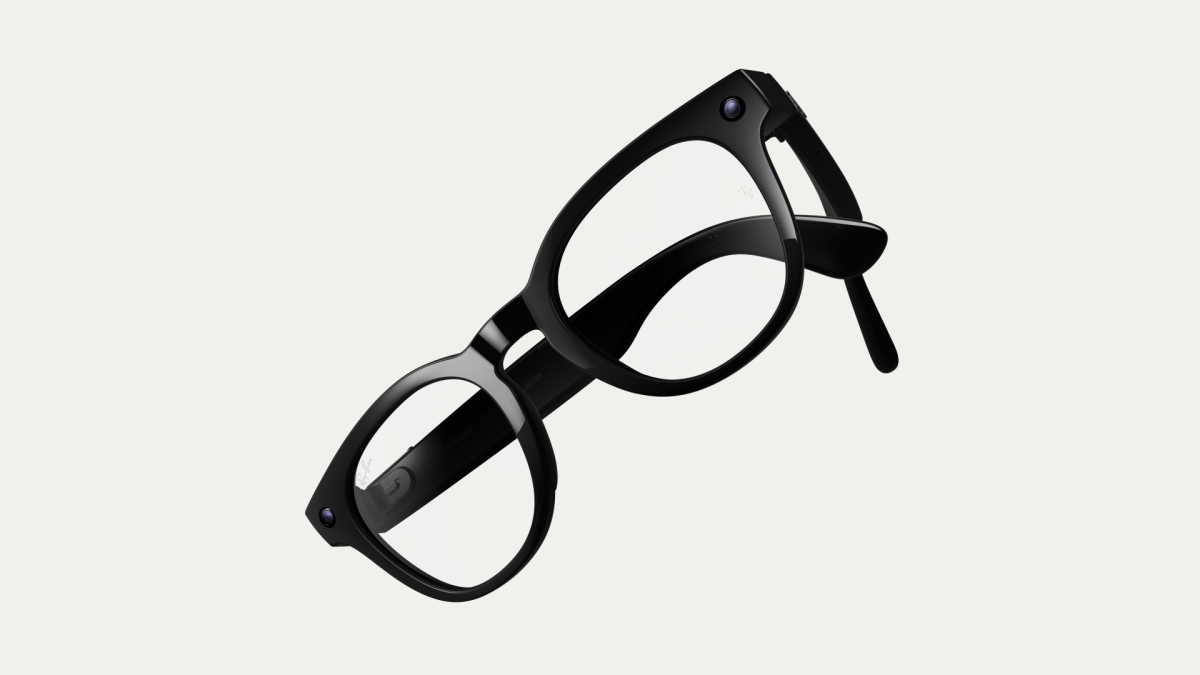
Muse is also headed to Meta's smart glasses in the coming months. There, users will be able to talk to Muse about what they are looking at while wearing the glasses. That puts the agent at the point of visual context, with voice as the primary input and the camera feed as shared ground.
The updates follow the Sept. 8 launch of Muse in the US via a dedicated app and WhatsApp. Reuters reported that launch configuration. Meta titled its first-party announcement 'Introducing Muse: The World's First Personal AI Agent Built for Everyone' and describes Muse as a secure, private personal AI agent that proactively helps people meet their goals and suggests ideas. Meta published that description on Sept. 8.
Under the hood, Meta states that Meta AI is powered by Muse Spark 1.1. Meta described that system on July 24 as able to connect to email and calendar apps to handle tasks on behalf of users. Muse can also connect to users' Instagram, according to product material. Meta lists that integration alongside a claim that Muse can build a tool itself if a task requires a tool that does not exist. In practice, Muse can access other apps to make payments, book travel on behalf of users, and complete transactions such as selling a car. Reuters reported the travel and transaction examples on Sept. 22.
Meta has also been testing a "human concierge" for Muse. Reuters reported the test on Sept. 22. Meta lists Muse Image, Muse Spark, Muse Glimmer and SAM 3 among its latest AI research efforts. Meta includes those systems in its research overview.
The broader context here is a shift from chatbots that answer to agents that persist. An inbox, computer control, a face and voice, and a glasses form factor all point in the same direction. The agent remains available across time, across interfaces, and across tasks. In my view, that is the right bet for utility, and it raises the questions technologists should already be asking about auditability, delegation scope, and credential isolation. Worth flagging: tool synthesis and computer use are powerful precisely because they escape preapproved integrations, which makes logging what the agent did, with what authority, central to trust.
If Meta gets the scoping right, the payoff is practical rather than spectacular. Less context re-entry. Fewer dropped threads between phone, desktop, and the physical world. My kids adopted each new interface without deliberation, and I expect the same here if the agent proves reliable on mundane work. The technology improves life not by performing demos but by quietly absorbing coordination overhead.