Meta to Bring Muse AI Agent to Smart Glasses
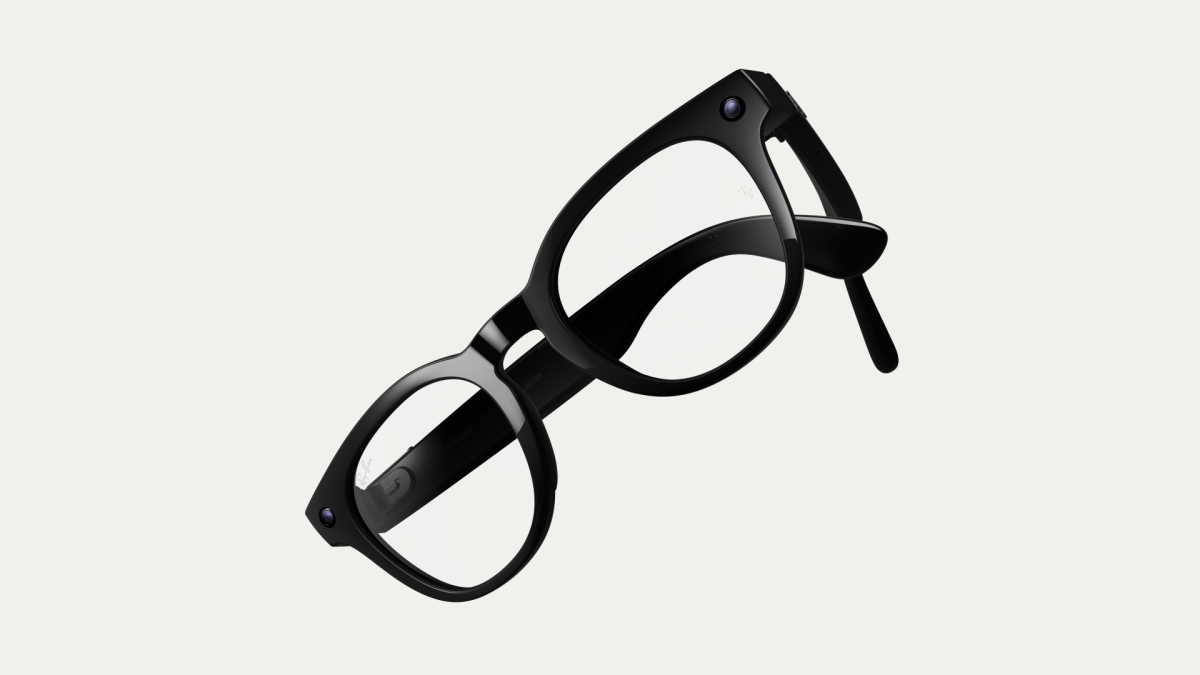
Meta is working to bring Muse, its personal AI agent, to smart glasses, including new glasses unveiled at Meta Connect. The company detailed the plan on September 23, coinciding with the start of Connect 2026. The Verge
Connect runs September 23-24. Meta positions the event around new advancements in AI, smart glasses and expanded reality.
Users will invoke the glasses-based version by saying its name.
Functionality described so far clusters around three everyday tasks. Muse will guide a workout. It will log meals. It will help users shop for products they are looking at.
Muse is described by Meta as a "secure, private personal AI agent that proactively helps people meet goals and suggests ideas" Meta. Under the hood sits Muse Spark, which Meta describes as its most powerful model yet. Muse Spark powers a smarter and faster Meta AI assistant rolling out to WhatsApp, Instagram, Facebook and Messenger. Meta
Meta partnered with EssilorLuxottica to launch Meta Glasses, which shipped with Meta AI powered by Muse Spark from day one in the US and Canada. Meta Meta also introduced Ray-Ban Meta glasses built for people who rely on prescription glasses and all-day eyewear. Meta
Looking at what this means for agent design, the shift is input and context. A phone assistant typically waits for a typed prompt. A glasses interaction triggered by voice, tied to a workout, a meal or an object in view, keeps hands free and keeps reference shared. For the three tasks named, that fit is direct. Workout guidance benefits from coaching without breaking stride. Meal logging benefits from capture at the moment. Shopping benefits from reference to what is already in front of the wearer, without an extra step to photograph or describe it.
In this author's view, the interesting test will be restraint rather than capability. Proactive help can turn intrusive quickly when the device is worn through the day. I watched my own children adopt voice interfaces instantly and drop them just as fast when prompts felt pushy. Worth flagging here is the tension in Meta's own description: secure and private, yet proactive and suggestive. Getting both right requires careful scoping of when the agent speaks, what context it uses and how clearly it explains its suggestions. If Meta gets that balance, glasses become a natural home for an agent that nudges toward goals instead of waiting inside a messaging app. That is a quieter ambition than replacing the phone, and, over the long arc of personal computing, a more useful one.