Google DeepMind and A24 Form $75 Million AI Filmmaking Partnership
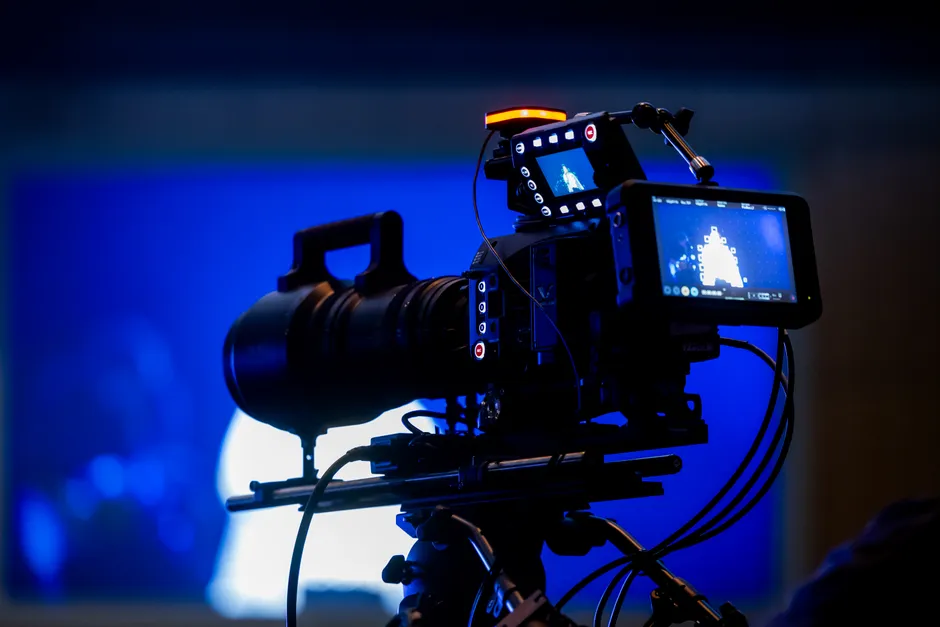
Google DeepMind and independent film studio A24 have announced a research partnership valued at approximately $75 million, structured around developing AI-powered filmmaking tools, workflows, and techniques, according to The Wall Street Journal, which broke the story on June 22, 2026.
The deal is framed as an AI research collaboration rather than a strategic acquisition or content licensing arrangement. Google does not gain access to A24's film library, IP, or internal operations as part of the agreement. The $75 million flows toward joint research and development work, with both organizations jointly building out new production tooling. Variety confirmed the scope includes new filmmaking workflows alongside discrete tools and techniques.
The structure is worth noting. A24 has built its reputation on creative autonomy — low-to-mid budget productions with distinctive authorial voices that have consistently punched above their weight commercially and critically. Keeping Google ringfenced from content and operations suggests the studio was deliberate about preserving that independence while still gaining access to DeepMind's research capabilities. For Google's part, a studio with A24's production cadence provides a live, high-stakes environment for applied research that a synthetic benchmark simply cannot replicate.
The broader pattern here is familiar from adjacent industries. Cloud providers and semiconductor firms have long pursued applied research partnerships with domain-specific operators — not because the operator's data was the prize, but because real production constraints stress-test tools in ways that internal labs cannot manufacture. DeepMind bringing its generative media research into contact with an active film production pipeline follows the same logic. The outputs are likely to be techniques, not titles.
What those techniques look like in practice is not yet specified in the confirmed reporting. The filmmaking workflow is a wide target: pre-production tools could span script analysis, location scouting synthesis, or previsualization generation; production tools might touch on on-set AI supervision or real-time compositing assistance; post-production is where generative AI has already made the deepest inroads industry-wide, with VFX, color grading assist, and dialogue cleanup all seeing active tooling from multiple vendors. DeepMind's existing published work in video generation — Veo, most recently — suggests video synthesis and editing are the natural starting point, though the partnership's remit as described is broader than any single modality.
Google's position in generative media has been competitive but not dominant. OpenAI's Sora, Runway, and a cluster of well-funded startups have moved fast on video generation, while Adobe has embedded generative tools directly into the production software most editors already use. A partnership with a respected creative institution gives DeepMind something those competitors currently lack: a credible signal that professional filmmakers are building with its tools rather than evaluating them in controlled demos.
For A24, the calculus is different. Studios at its scale — substantial by independent standards, but not a major — operate under continuous cost pressure, and AI tooling that meaningfully compresses post-production timelines or previsualization cycles has direct P&L implications. The $75 million investment also represents external capital without the creative-control trade-offs that typically accompany studio acquisition or distribution deals.
Neither party has disclosed a timeline for deliverables, and no specific tools have been named. Given DeepMind's research-first culture, it would be reasonable to expect the initial outputs to surface as published work before they appear as shipped products — though the partnership's applied framing suggests commercial tooling is the intended endpoint, not academic papers alone.
The deal adds Google to a short but growing list of major AI labs seeking creative-industry footholds. Microsoft has backed production tooling through its OpenAI relationship; Meta has published generative video research and positioned it toward creator tools. Whether the Google–A24 arrangement produces techniques that propagate across the industry — or remain proprietary to a single studio's pipeline — will determine how much this matters beyond the two organizations involved.


