SpaceX Shares Erase Most IPO Gains as AI Capex Anxiety Drags Tech

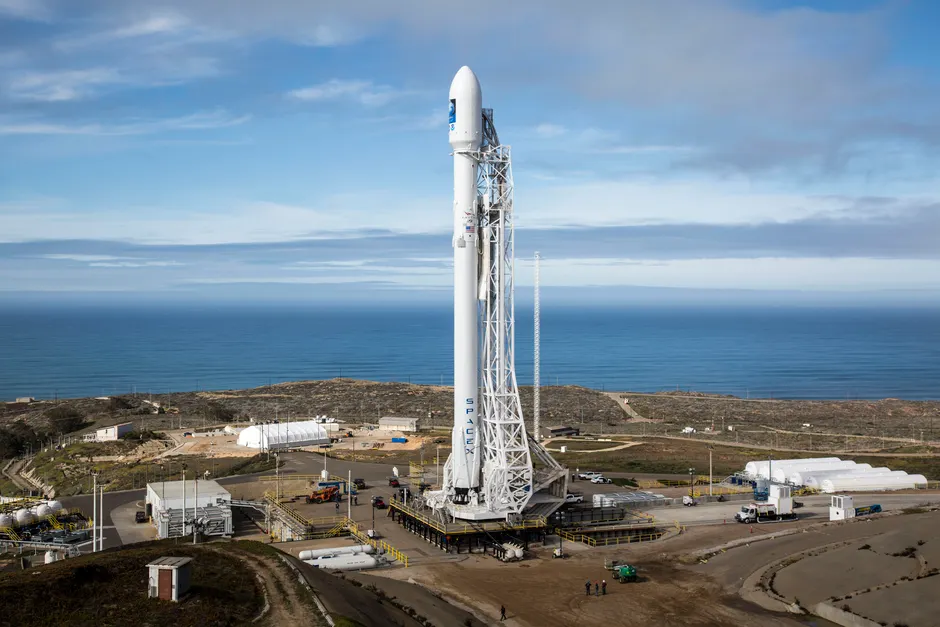
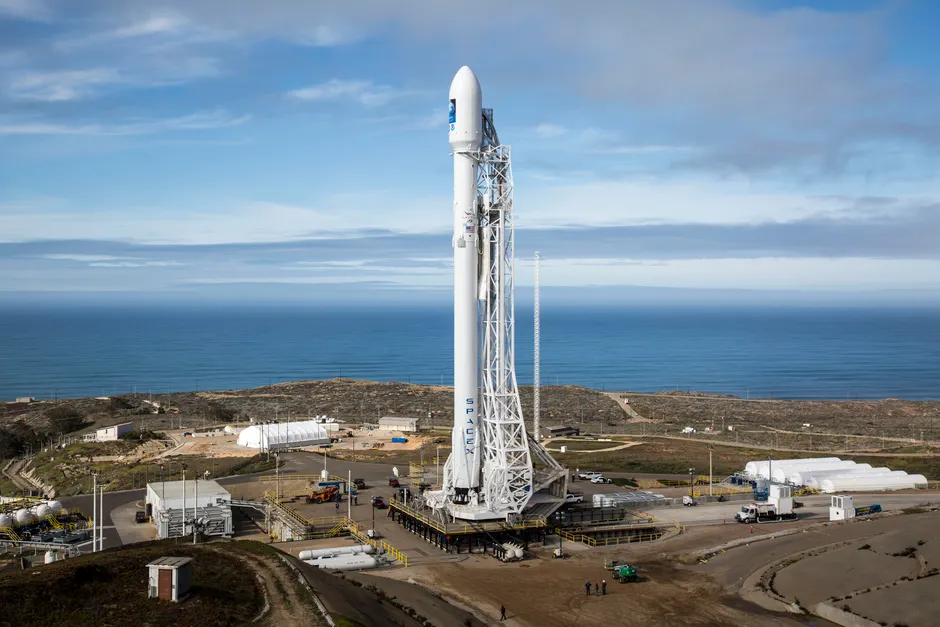
SpaceX stock has tumbled 16.4% from its debut price, erasing most of the gains recorded since its IPO, according to Yahoo Finance as of June 23, 2026. The shares have also broken below the $150 debut price for the first time, extending a losing streak that included a 3.6% single-session decline on the Thursday prior, per Reuters and Barron's.
The immediate catalyst is the same macro overhang that clipped tech multiples in 2024: investor skepticism about whether the sector's enormous AI infrastructure build-out will convert into returns commensurate with current valuations. Reuters reported that the broader tech sector experienced a pullback driven by ongoing anxiety over capital spending on AI infrastructure, a concern that has compounded since Meta and Microsoft sharply lifted their AI capex in 2024, with Amazon's own AI spend trajectory adding to the pressure at the time.
SpaceX's slide is notable precisely because the company is not a hyperscaler. Its revenue base sits in launch services and Starlink broadband, not cloud compute. Yet post-IPO, its equity trades in a market where sentiment toward capital-intensive tech is the dominant factor for new issuances, and the AI-capex debate has become the sector's prevailing de-rating mechanism. When the broad tape sells growth, newly listed names with rich entry valuations absorb disproportionate pressure.
Oracle's Restructuring Adds a Separate Data Point
Separately, Oracle executed a large-scale workforce reduction in March 2026, with the headcount cut estimated at between 20,000 and 30,000 employees, per Statesman. CNBC reported that the cuts were linked to the company's AI spending strategy. The affected divisions included Oracle Cloud Infrastructure, Media Services, and Sovereign Cloud. Notably, employees were notified via email sent at 6 a.m., according to HR Executive.
The Oracle restructuring and the SpaceX de-rating are distinct events, but they sit within the same thematic frame: the industry is repricing the cost of the AI transition. Oracle is cutting headcount to fund or offset capex; SpaceX is being sold because it listed into a market questioning whether any tech-adjacent growth story can justify its ask. The mechanism differs; the anxiety is the same.
The Rate Backdrop
The Federal Reserve held the federal funds rate at 3.50%–3.75% at its June 2026 meeting, per U.S. Bank. That is not an emergency level, but it is not accommodative either. At that rate, the discount rate applied to long-duration cash flows remains a genuine headwind for high-multiple growth stocks. SpaceX's IPO pricing embedded expectations of substantial future earnings — earnings that are now being discounted more severely as the rate environment keeps duration risk elevated and as AI-capex payback timelines lengthen the already-distant profit horizons.
New issues are structurally vulnerable in this setup. They lack the earnings track record and index inclusion that provide institutional inertia for incumbent mega-caps. A 16.4% drawdown in the first weeks of trading is painful for IPO buyers, but the more operationally significant question is whether Starlink's subscriber growth and launch cadence can eventually anchor the valuation independent of macro sentiment. That is a question of execution over years, not quarters.
The broader picture is a sector navigating a genuine tension: AI infrastructure spending is accelerating, the costs are visible now, and the revenue payoff remains diffuse and uncertain in timing. Oracle's layoffs reflect one corporate response — restructure the cost base to keep the investment cycle funded. SpaceX's share price reflects another — investors reducing exposure until the return profile clarifies. Neither resolution is imminent.