Philippines School Shooting Triggers App Ban, Senate Push for Campus CCTV

A shooting inside a classroom at San Jose National High School in Tacloban City on June 23, 2026 killed at least one person, prompted the arrest of two teenage suspects, and set off a rapid chain of institutional responses — from a government-ordered block on an online gaming application to renewed Senate calls for mandatory CCTV coverage across Philippine school campuses.
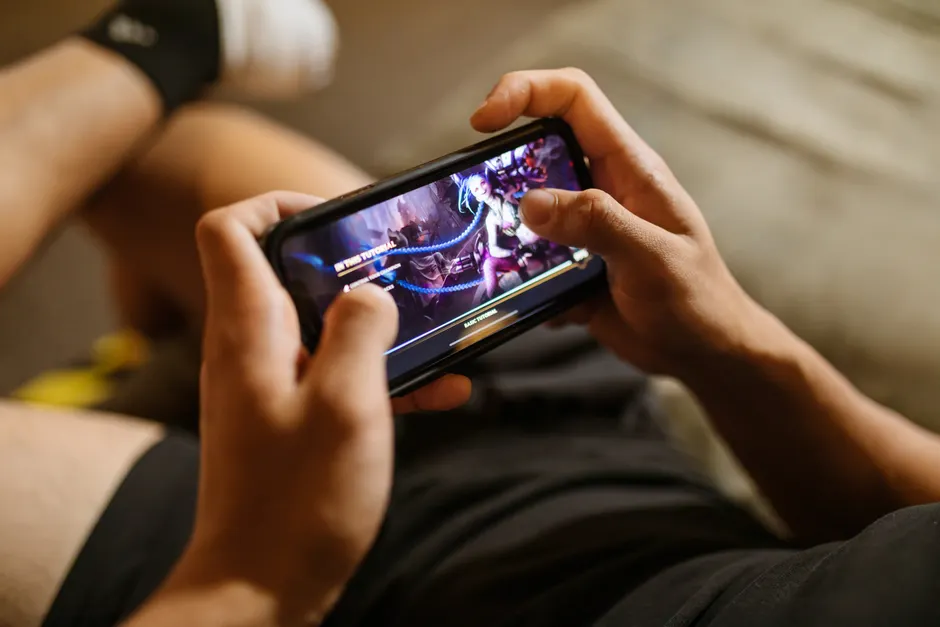
Two suspects were taken into custody in connection with the attack, according to Philippine News Agency. The incident occurred inside a classroom, making it one of the more disturbing school security failures in recent Philippine memory. One of the teenage suspects was identified as a frequent user of an online gaming app; Philippine authorities moved quickly to block it, AP News reported. The block was described as temporary, framing it as a precautionary measure rather than a definitive regulatory finding.
The causal link between gaming and violence is a well-worn and contested lane in both public health research and policy debate. Philippine authorities have not, in verified public statements, established the app as a direct contributing cause — the block appears to reflect a precautionary political response rather than an evidentiary determination. That distinction matters. Treating a behavioral correlation as actionable cause without the underlying forensics risks misdirecting the institutional energy now flowing toward this event.
The Commission on Human Rights expressed grave concern over the shooting, per its own statement. The CHR's involvement signals that investigators and rights monitors are watching whether due process standards are met for the juvenile suspects — a relevant concern given the Philippines' history of tension between law enforcement urgency and juvenile justice protections under Republic Act 9344.
Department of Education Secretary Juan Edgardo Angara called for a "deeper understanding of children" in the wake of the attack, PNA reported. The framing is notable: rather than leading with security hardening, Angara pointed toward the social and psychological conditions that precede violence. That is a harder, slower policy lever than installing cameras — but arguably the more structurally relevant one.
The Senate's response moved in a more immediately tangible direction. The Tacloban attack renewed legislative calls for CCTV coverage across school campuses — a push that had surfaced before but lacked the political momentum to advance. Whether this incident provides the necessary legislative traction depends on how long the political attention holds and whether committee chairs schedule hearings before the news cycle moves on.
The layered institutional response here is worth parsing. The gaming app block is executive and reversible. The CHR's concern operates as a rights-monitoring function, not enforcement. The DepEd secretary's statement is framing, not yet policy. The Senate CCTV push is the response most likely to produce durable structural change — if it clears committee and reaches a floor vote. Each response occupies a different tier of the policy system, and they are not necessarily coordinated.
Tacloban City, the capital of Leyte province, is still associated in regional consciousness with the devastation of Typhoon Hainan in 2013. The city's public institutions have spent over a decade in various stages of reconstruction and capacity rebuilding. A classroom shooting in that context lands with particular weight for local governance and community trust in public schools.
The facts as verified do not yet support a full account of motive, the weapon's origin, or the precise sequence of events inside the classroom. Those gaps matter for the policy responses being proposed. A CCTV mandate, for instance, addresses detection and deterrence but does nothing about how a firearm entered the school in the first place — a question that touches the Philippines' ongoing struggle with the proliferation of loose firearms, particularly in the Visayas region.
The coming days will likely clarify the evidentiary basis for the gaming app block and determine whether the Senate CCTV push has a bill attached to it or remains at the resolution stage. Both are worth tracking for anyone working on education security, juvenile justice, or digital regulation in the Philippine context.