Ukrainian Drone Strikes Cut Power to Sevastopol as Crimea Campaign Intensifies
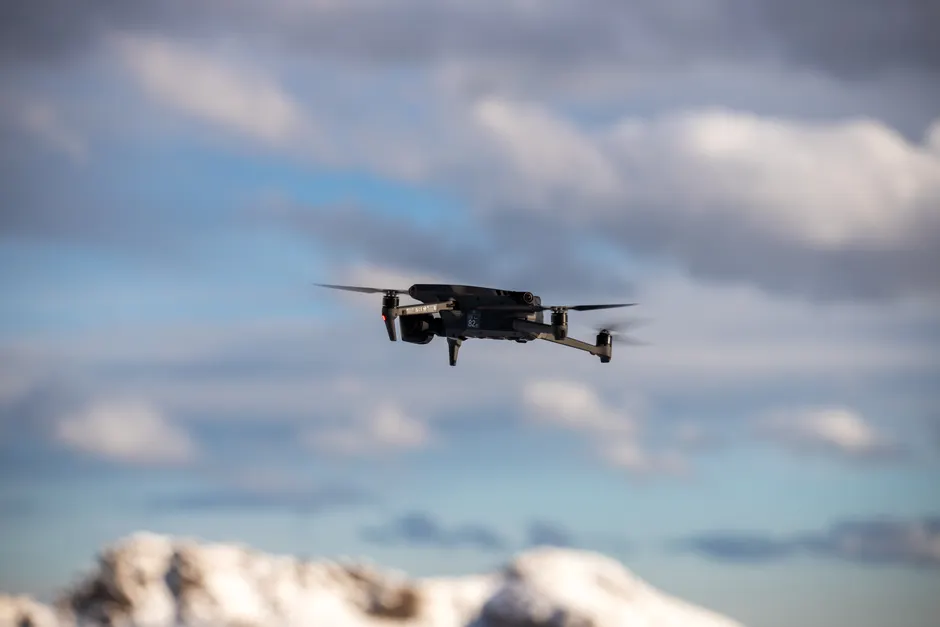
Ukrainian overnight drone strikes knocked out electricity in Sevastopol on June 24, 2026, AP News reported, the latest in a sustained pressure campaign targeting Russian-occupied Crimea's military and energy infrastructure. Mikhail Razvozhayev, the Moscow-installed governor of Sevastopol, warned residents that some areas would remain without power until evening following the strikes, Yahoo News reported.
The Sevastopol outages did not arrive in isolation. Since at least May 2024, Ukrainian drone operations have repeatedly disrupted power supply to the peninsula — a pattern that has sharpened considerably in 2026. Earlier this month, AP News reported Ukrainian strikes targeting oil refineries, fuel depots, and pipelines in Russian-held territory, with tanker trucks attacked and set ablaze along the land corridor connecting Crimea to mainland Russia. Taken together, the operations trace a coherent logic: degrade the logistical and energy arteries that sustain Russian force posture on the peninsula.
Sevastopol carries particular symbolic weight for both sides. Home to Russia's Black Sea Fleet since the late eighteenth century and formally annexed by Moscow in 2014 alongside the rest of Crimea, the port city has been a focal point of Ukrainian military signaling throughout the war. Kyiv has named a naval drone Sevastopol as part of its operations, and the Ukrainian government has consistently stated that Crimea and Sevastopol are integral parts of Ukraine requiring liberation — a position reaffirmed in the February 2023 joint EU-Ukraine Summit statement, which also condemned Russia's systematic use of missiles and drones against Ukrainian civilian infrastructure, president.gov.ua.
The drone campaign against Crimea operates within a well-established Ukrainian strategic framework. Unable to sustain a conventional amphibious or overland assault on a heavily fortified peninsula, Kyiv has invested heavily in unmanned systems — maritime surface drones, long-range FPV variants, and Shahed-type one-way attack platforms adapted from captured Russian designs — to achieve effects at range. Striking power infrastructure and fuel supply chains forces Russia to divert air-defense assets, repair crews, and logistics capacity that would otherwise support frontline operations. Power cuts in Sevastopol also carry a civil-pressure dimension: they are visible, disruptive, and difficult for Russian authorities to conceal from the local population.
The targeting of fuel infrastructure along the land corridor is strategically significant. The Kerch Strait Bridge, damaged twice since 2022, remains a constrained and politically sensitive chokepoint for Russian logistics. Overland fuel routes through occupied southern Ukraine have therefore become load-bearing. Destroying tanker trucks and depot capacity along those corridors compounds the attrition effect, even if no single strike is operationally decisive.
For Moscow, repeated failures to protect Crimean infrastructure are a reputational and operational liability. Sevastopol's symbolic centrality to Russian national identity — it featured prominently in Putin's 2014 annexation justification and remains a mobilizing reference in state media — makes every outage an implicit challenge to the narrative of restored Russian sovereignty. Razvozhayev's public acknowledgment of electricity cuts, however carefully framed, confirms damage the Kremlin cannot easily dismiss.
The pace of Ukrainian strikes in June 2026 suggests Kyiv is maintaining operational tempo ahead of any potential diplomatic engagement, though no ceasefire framework is currently in place. The Crimea question has been among the hardest of the war's fault lines: Ukraine's position, codified repeatedly in presidential statements and multilateral declarations, excludes any settlement that leaves the peninsula under Russian control. Every strike on Sevastopol is, among other things, a negotiating posture delivered by drone.


