Dell XPS 13 16GB Is the One to Buy
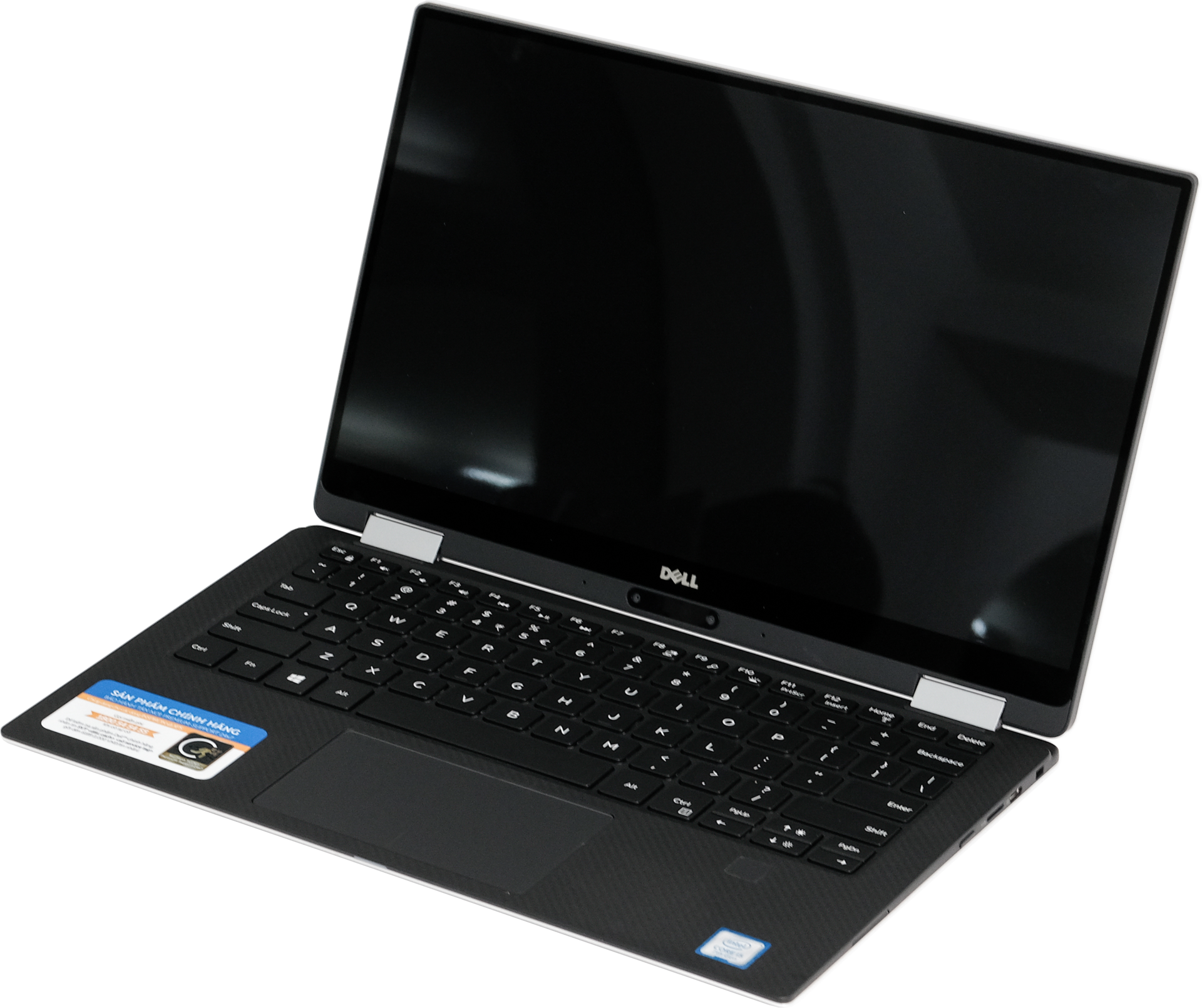
Engadget has concluded buyers should skip the $700 base Dell XPS 13 and choose the midrange 16GB configuration instead. In testing published Sept. 29, 2026, the publication found the 8GB base model was held back from a higher review score by its memory capacity, arguing Windows 11 does not run well on only 8GB of memory in 2026. Engadget
The comparison isolates RAM as the variable. Both configurations tested used the same Intel Core 5 320 chip and 512GB SSD, leaving the move from 8GB to 16GB as the only hardware difference. Dell's listing for that configuration specifies a 6-core Core 5 320, 16GB of LPDDR5X and 512GB of storage. Dell
The difference is memory. Engadget's 16GB test unit registered 56 percent memory utilization with no other apps open. After installing a Windows Update and restarting, utilization still sat around 40 percent. That headroom matters. On an 8GB system, the same background footprint leaves little available for browser tabs, Electron apps, local inference, or build tools before paging begins.
Benchmarks widen the gap beyond responsiveness. Engadget measured PCMark 10 scores of 6,904 for the 16GB XPS 13 compared to 5,319 for the 8GB base model. Battery life in PCMark 10 Modern Office also favored the larger memory configuration, at 17:40 versus 15:56. Average framerates in games including Teamfight Tactics were 5 to 10 percent higher on the 16GB system.
That combination of higher throughput and longer runtime is consistent with a memory-constrained integrated platform. With shared LPDDR5X and no discrete VRAM, available capacity and bandwidth directly affect multitasking, iGPU frame buffers, and power behavior under spill to disk. For tech buyers, the takeaway is straightforward. Soldered memory cannot be upgraded later, so the purchase decision locks in the paging behavior for the life of the machine.
The pricing context has shifted over the life of the line. In its 2020 review, Engadget reported the Dell XPS 13 started at $999, with a midrange 16GB configuration selling for $1,750. Engadget In January 2015, the nearly bezel-less XPS 13 was available starting that day for $800. Engadget At CES 2025, Dell announced a major rebrand for all of its PCs, a move that included the XPS name. Engadget By January 2026, Dell planned an all-new XPS 13 described as the thinnest and lightest model to date. Engadget
Dell's current portfolio spans multiple memory tiers. The company offers the XPS 13 9345 with 16GB, 32GB and 64GB LPDDR5X integrated memory options up to 8448MT/s. Dell Dell has also stated its new XPS 13 is powered by Intel Core Series 3 or Intel Core Ultra Series 3 processors with up to 32GB of LPDDR5X memory. Dell
The broader context here is that 16GB has become the practical floor for a Windows ultraportable, not a premium upgrade. In my view, the $700 entry price still serves a purpose as a funnel, but most professionals will recover the step-up cost in avoided friction. I have watched my own children blow through 8GB without thinking about it, with dozens of tabs, chat clients, and background updaters running at once. What used to require deliberate heavy use is now just normal use. The 16GB XPS 13 does not change what an ultraportable is for. It lets the Core 5 320 and fast LPDDR5X do sustained work without tripping over capacity, and that is what makes it the configuration to buy.