Dell Targets Apple with $699 XPS 13, Undercutting MacBook Neo by $100

Dell Targets Apple with $699 XPS 13, Undercutting MacBook Neo by $100
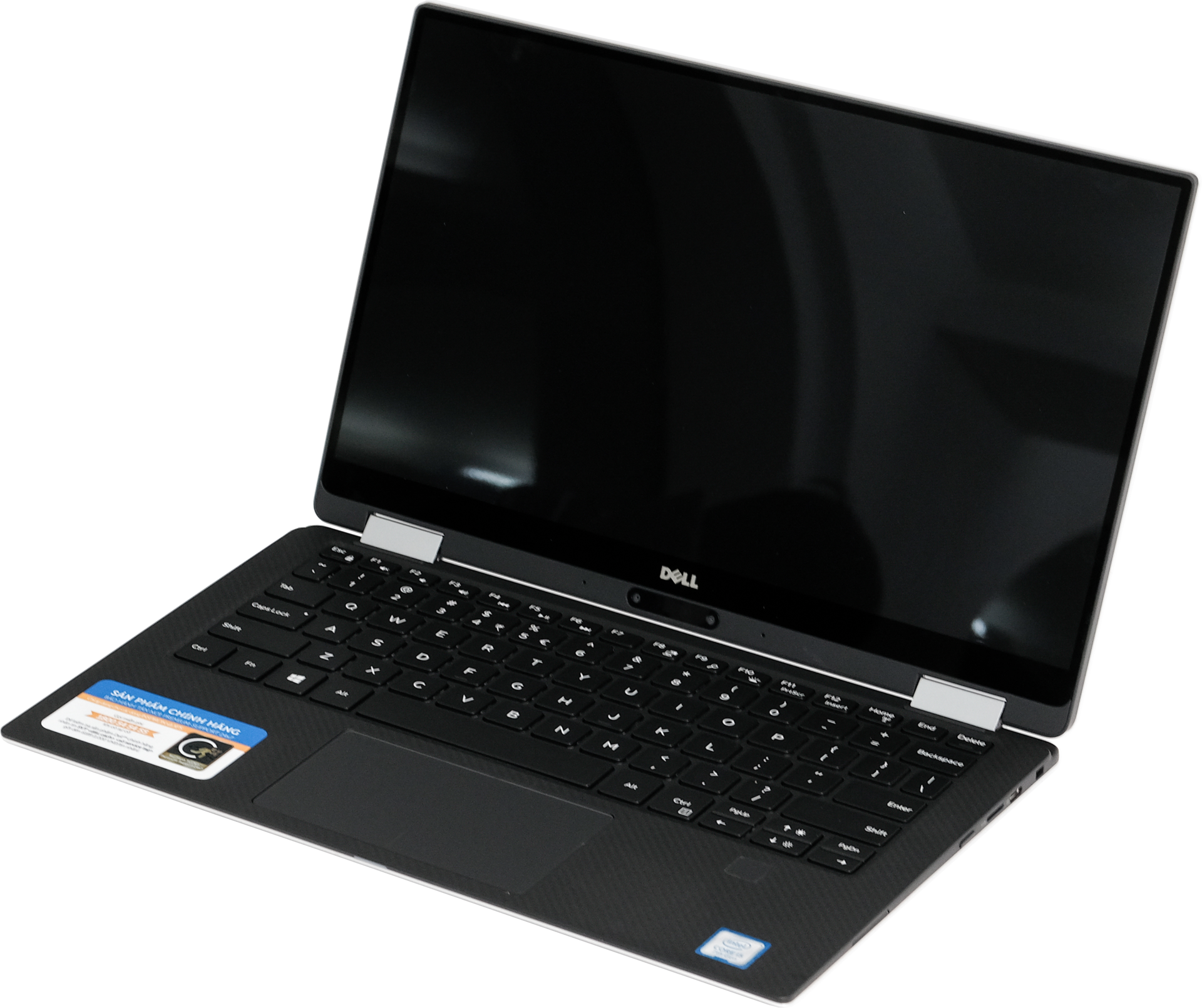
Dell unveiled the XPS 13 laptop on May 31, 2026, with a starting price of $699 and a direct challenge to Apple's MacBook Neo positioning. The Windows machine includes touchscreen functionality and drops to $599 for student buyers, creating a $100 price gap above Apple's comparable offering while adding tactile input capabilities.
Apple's MacBook Neo carries a $599 base price that falls to $499 in the education channel, making Dell's positioning interesting from a competitive dynamics standpoint. Dell explicitly framed the XPS 13 as targeting students and young professionals — the same demographic Apple has cultivated with aggressive education pricing.
Hardware Differentiation Strategy
The touchscreen represents Dell's primary hardware differentiator against the MacBook Neo. While Apple has consistently avoided touch interfaces on its laptop line, Dell continues betting that Windows users value direct manipulation alongside traditional trackpad and keyboard input methods. This creates a clear feature separation between the platforms beyond the underlying operating system choice.
The $699 consumer price point positions the XPS 13 in contested territory. At $100 above the MacBook Neo, Dell needs the touchscreen and any additional hardware advantages to justify the premium. The education discount narrows this gap to $100 ($599 versus $499), which historically represents the threshold where hardware differences can influence purchasing decisions in institutional buying.
Market Positioning and Timing
Dell's targeting of students and young professionals signals an attempt to intercept users before they establish platform loyalty. This demographic typically makes laptop purchases that last 4-6 years, creating extended value from each conversion. The company appears to be betting that touchscreen functionality and Windows ecosystem benefits outweigh Apple's price advantage and brand appeal.
The timing aligns with typical back-to-school laptop refresh cycles, though May represents early positioning for August-September purchasing windows. Dell's announcement cadence suggests confidence in manufacturing readiness and supply chain stability for volume availability.
Looking at the broader pattern here, we have seen this competitive dynamic before — most notably when Chromebooks challenged both Windows and macOS in education markets through aggressive pricing. The difference is that Dell operates within the Windows ecosystem that Google's Chrome OS disrupted, rather than representing a third-platform challenge. This creates a more direct Windows-versus-macOS competition for the same use cases.
Competitive Implications
Dell's strategy raises questions about sustainable differentiation in the sub-$700 laptop market. Hardware commoditization has compressed margins across Windows laptop manufacturers, while Apple maintains pricing power through vertical integration and brand positioning. The touchscreen addition carries both component costs and potential reliability implications that Apple avoids entirely.
The education pricing war creates particular pressure points. Apple's $499 education price represents significant margin compression that few Windows manufacturers can match while maintaining profitability. Dell's $599 student pricing suggests either lower margins or higher base costs that limit competitive flexibility.
Platform switching costs remain substantial despite hardware price convergence. Students invested in iCloud, Mac-specific software, or iOS device integration face meaningful friction when considering Windows alternatives. Dell's hardware advantages need to overcome these ecosystem lock-in effects to generate meaningful market share gains.
Enterprise and Consumer Crossover
The XPS line traditionally bridges consumer and business markets, with corporate buyers often purchasing variants of consumer models. The $699 price point positions the XPS 13 for small business and remote work scenarios where touchscreen functionality adds value for presentations and collaboration tools.
Enterprise Windows licensing and management infrastructure create natural advantages for Dell in mixed-use scenarios where personal and professional computing overlap. Students using XPS 13 systems may influence future corporate purchasing decisions, creating longer-term competitive value beyond immediate unit sales.
Worth flagging: the touchscreen represents both an advantage and a potential liability in enterprise deployments. While it enables new interaction patterns, it also introduces durability questions and increases support complexity compared to traditional clamshell designs.
Historical Context and Market Evolution
The sub-$700 laptop market has undergone significant transformation since the netbook era of 2008-2012. Current systems deliver substantially more performance and build quality than those early low-cost attempts, while maintaining similar price points adjusted for inflation. Dell's XPS 13 positioning represents this market's maturation into a viable alternative to premium systems rather than a clearly compromised budget option.
Apple's entry into direct price competition through the MacBook Neo signals recognition that the performance gap between budget and premium laptops has narrowed sufficiently to threaten higher-margin product lines. This creates opportunities for traditional PC manufacturers like Dell to compete on features rather than purely on cost.
The touchscreen inclusion reflects Dell's understanding that hardware differentiation requires offering capabilities Apple explicitly rejects. This creates clear value propositions for users who prioritize direct manipulation over Apple's design philosophy of separate input and display surfaces.
Forward Implications
Dell's competitive positioning suggests intensifying price competition in the mainstream laptop market, with both companies targeting the same demographic through different value propositions. The success of this strategy depends on execution quality, supply chain efficiency, and the relative importance consumers place on touchscreen functionality versus ecosystem integration.
The market response to these competing approaches will influence broader industry pricing and feature strategies. If Dell gains meaningful market share, other Windows manufacturers may accelerate touchscreen adoption and aggressive pricing. If Apple's ecosystem advantages prove decisive, expect continued pressure on Windows laptop margins and potential retreat from direct price competition.
This competition ultimately benefits consumers through improved price-to-performance ratios and clearer feature differentiation between platforms. The question remains whether Dell can sustain competitive pricing while maintaining the build quality and support experience that justifies premium positioning.