OpenAI Launches GPT-6.1 Sol at DevDay, Shelves GPT-6.1 Astra
OpenAI launched GPT-6.1 Sol on September 29, 2026 at its DevDay event. TechCrunch
OpenAI says the model delivers nearly the same level of intelligence as GPT-6 Astra for agentic coding, computer use, and professional work. It priced GPT-6.1 Sol at one-fifth the standard input and output token prices. The price is the point.
The release cadence is compressed. OpenAI showed off GPT-6.1 Sol a week after launching GPT-6 Sol. It did not launch GPT-6.1 Astra.
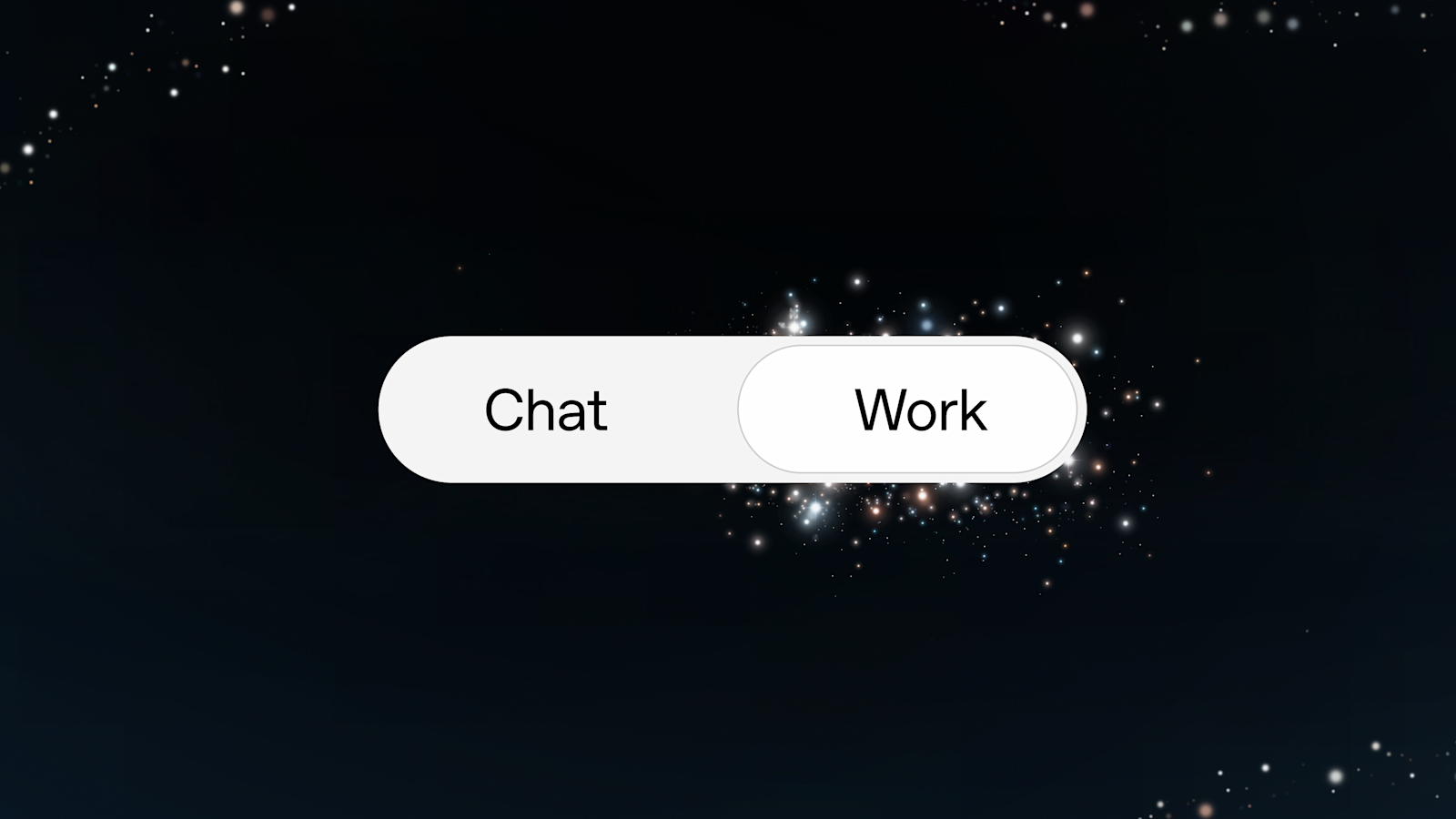
For practitioners, the deployment details matter more than the naming. GPT-6.1 Sol was made available starting September 29, 2026 to Plus, Pro, Business, Enterprise, and Edu users in ChatGPT Work and Codex. OpenAI said the model was not yet available in Chat as of September 29, 2026. OpenAI also published a System Card for GPT-6.1 Sol.
Capability ladder
GPT-6 Astra remains the reference point in OpenAI's lineup. OpenAI describes Astra as its most intelligent and aligned model yet, with state-of-the-art capabilities across computer use, coding, and cybersecurity. OpenAI
In separate work-focused documentation, OpenAI describes Astra as its most capable model for business, citing advanced reasoning, computer use, and stronger writing and design judgment. Deployment safety documentation describes it as the most capable model it has ever broadly deployed.
That positioning has a history. GPT-6 Astra followed the July release of GPT 5.6 Sol. OpenAI has said Astra responds more safely than GPT-5.6 Sol to challenging requests.
As of September 24, 2026, OpenAI was set to preview the cybersecurity-focused GPT-6 Cyber model within days. Reuters
The Astra that did not ship
OpenAI scrapped the planned release of GPT-6.1 Astra citing safety concerns. Al Jazeera
GPT-6.1 Astra had been planned for an October debut. Reuters OpenAI said the model failed to meet alignment standards.
The broader context here is a familiar trade in frontier systems. Capability and controllability do not always move together. When a lab tiers its lineup into Sol for efficient deployment and Astra for maximum capability, an alignment miss at the top does not necessarily block a point release at the efficient tier. It does clarify where the risk boundary currently sits.
Looking at what this means for builders, the Sol update is structured around token-intensive workloads. Agentic coding and computer use are not single-turn tasks. They involve planning, tool calls, file reads, test runs, retries, and long observation histories. Input tokens accumulate fast. Output tokens accumulate through explanations, patches, and repeated attempts. A cut to one-fifth on both sides changes the unit economics of letting an agent run longer.
In my view, that is the practical test for GPT-6.1 Sol. Expert users will not judge it on isolated answers. They will judge it on sustained runs in Codex and ChatGPT Work, where retrieval, execution, and UI manipulation have to stay coherent across dozens of steps. Near-parity with Astra is a claim about that kind of endurance, not just about correctness on a first attempt. The System Card will get close attention for that reason, particularly on agentic evals, refusal behavior, and computer-use safety.
Worth flagging for enterprise teams is the channel choice. Work and Codex first, Chat later, points to professional and developer workflows as the proving ground. That matches how permissions, audit trails, and policy controls are usually managed. Plus, Pro, Business, Enterprise, and Edu coverage from day one suggests OpenAI wants usage data from managed environments before wider consumer exposure. For zero-trust shops and regulated teams, that sequencing is easier to trial than a general Chat rollout.
There is also a longer arc worth keeping in mind. I have watched my own children move from treating computers as places to find answers to treating agents as things to delegate to, with all the over-trust that implies. Cheaper, near-frontier models accelerate that shift. They make delegation the default. The work that remains is verification, permissions design, and teaching users when to interrupt. OpenAI holding back an Astra point release on alignment grounds while pushing a cheaper Sol model forward does not resolve that tension. It makes operational discipline more important, because more runs become affordable.
For now, the lineup is legible. Astra holds the capability ceiling. Sol carries the volume. Cyber is queued. The open question for engineering leaders is straightforward. If Sol holds close enough on real repositories and real desktops, the cost curve favors broader agent deployment. If it does not, Astra retains its premium for the hardest work.