GPT-6 Reaches ChatGPT With Interactive Responses and Tiered Models

OpenAI is rolling out GPT-6 to ChatGPT worldwide, coupling a new model family with a system it calls Intelligent UI.
The rollout began on October 7, 2026, and continued into October 8 across all ChatGPT tiers. Paid plans including Plus, Pro, Business and Enterprise were first in line globally, with Free and Go accounts scheduled to follow on rollout day Engadget. OpenAI described the release as GPT-6 for all ChatGPT users, with faster responses and visual, interactive experiences OpenAI.
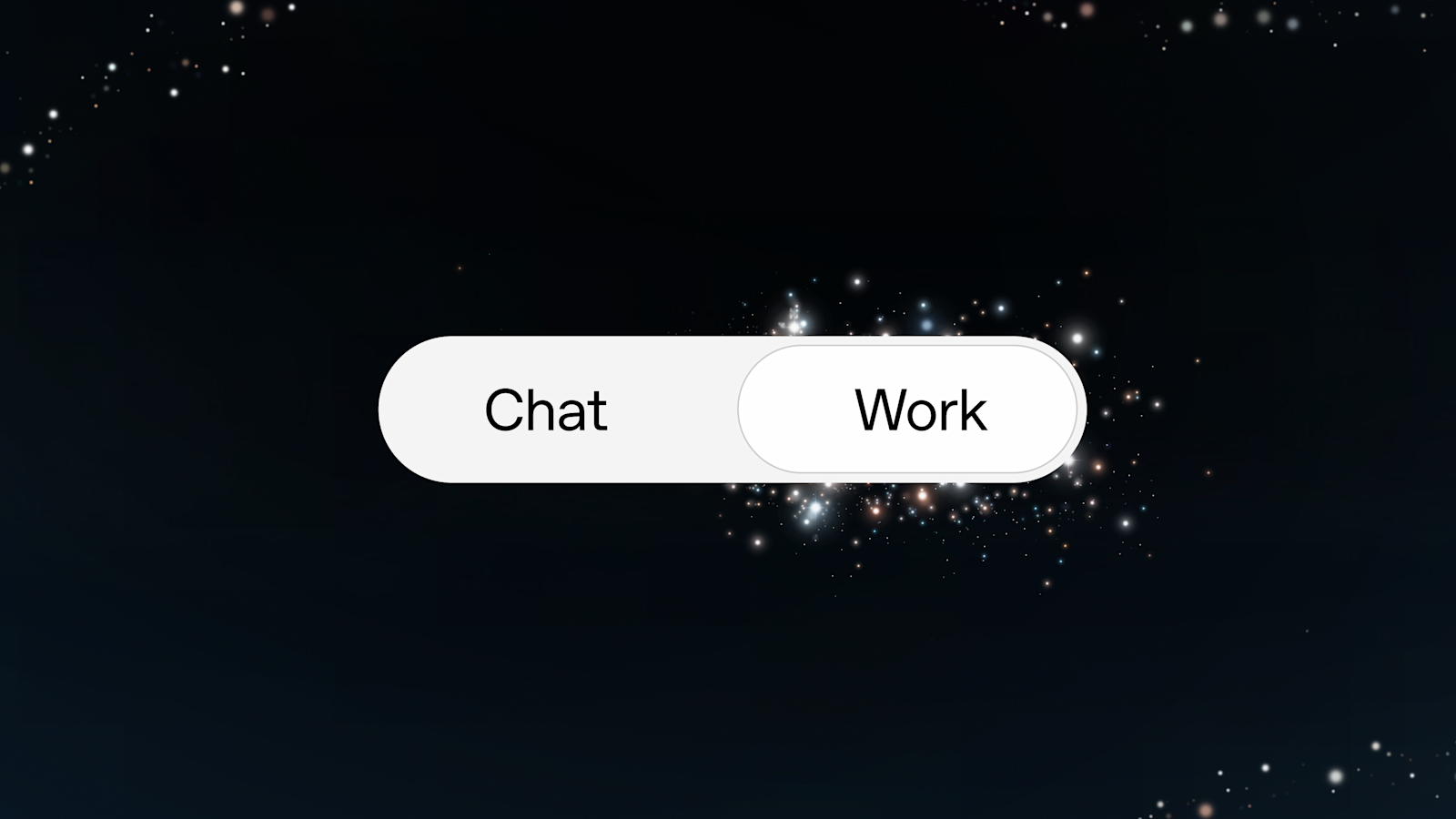
The tier split maps to two distinct weights. Plus, Pro, Business and Enterprise run on GPT-6 Sol. Free and Go run on GPT-6 Luna. Luna is less capable than Sol. API documentation positions the Sol line to balance intelligence and cost, and Luna for cost-sensitive, high-volume workloads, which aligns with that ChatGPT routing.
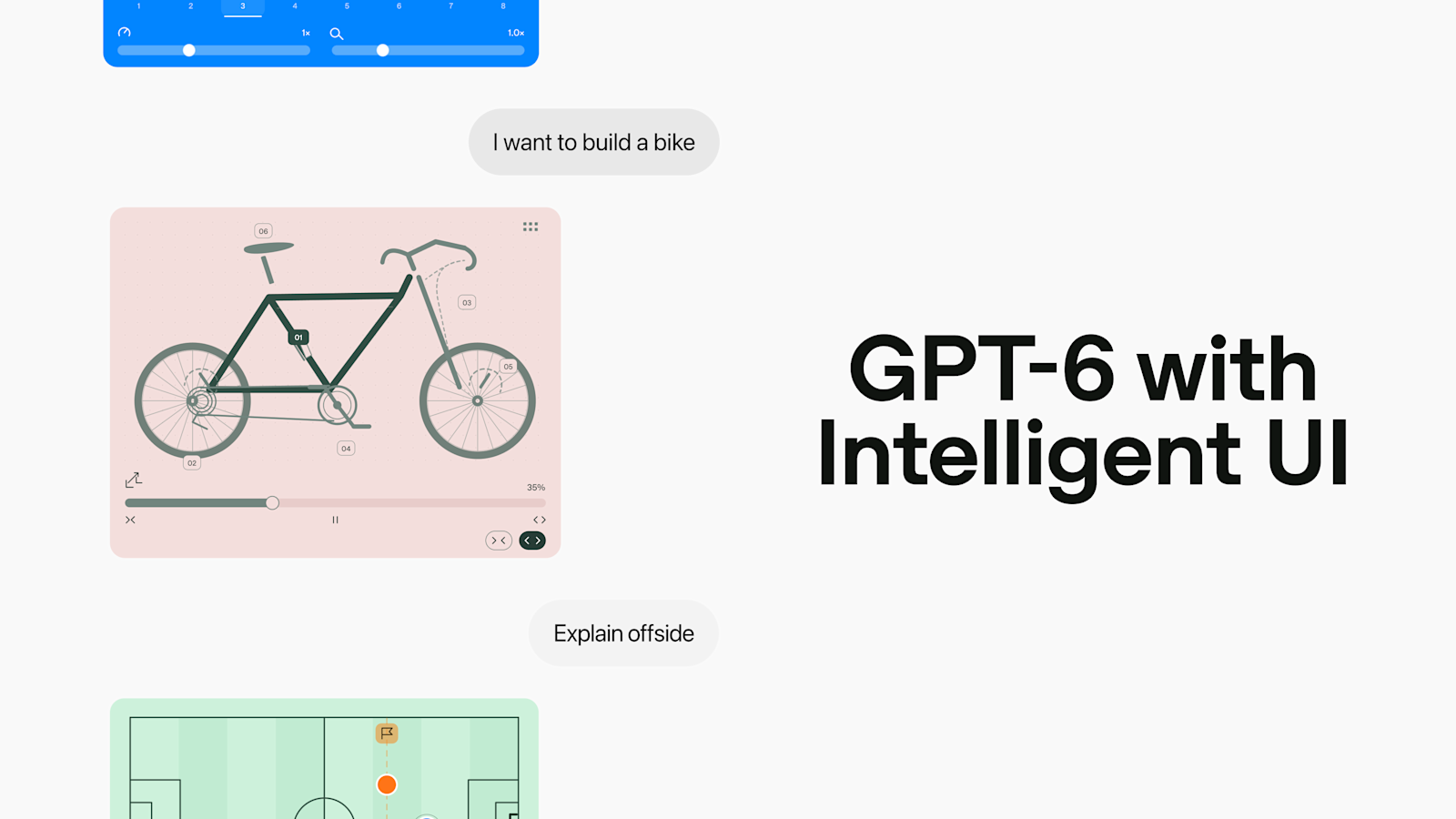
Intelligent UI is the functional change. ChatGPT can now return responses as fully interactive user interfaces rather than static text. GPT-6 was trained to compose more visual responses inside ChatGPT, including graphics, tappable buttons, forms and charts. The same system can combine text, visuals and interactive elements to fit a question, including side-by-side comparisons, diagrams and tools. Text remains an option. The model can decide to use pure text without visuals when text makes more sense.
Latency and reasoning control are the other shifts. GPT-6 can start answering while it is still thinking, a streaming strategy intended to shorten wait times for complex tasks. In ChatGPT, users can choose how much the model thinks OpenAI Help Center. For practitioners, that is explicit control over reasoning budget versus time to first token. It trades completeness of internal chain for responsiveness, then fills in detail as inference continues.
OpenAI said it would roll out Sol and Luna in ChatGPT gradually throughout the day to keep service stable. That is standard capacity management for a cutover of this size. Staged inference fleet replacement avoids correlated load spikes when every client updates prompts to exercise new output types at once.
The release follows a cancelled adjacent launch. OpenAI shelved GPT-6.1 Astra, which had been planned for an October debut, after internal safety tests raised concerns Reuters. Astra does not appear in the ChatGPT rollout matrix. Sol and Luna are the shipping models.
The broader context here is a move of interface generation into the model itself. Chatbots have long emitted markdown, code snippets and images. What changes with Intelligent UI is that layout, widget selection and interaction state become first-class model outputs, not frontend templates wrapped around a completion. That puts prompt design, system instructions and evaluation closer to product UI work. It also raises familiar engineering questions around determinism, accessibility, input validation in generated forms, and how to test a response that may render differently on each run.
In this author's view, worth flagging is how quickly this normalizes. My children never learned to fear a blank command line because they never met one. They expect software to show, not tell. A model that defaults to buttons, charts and tools when appropriate fits that expectation, and it reduces the copy-paste step between answer and action. The long-arc effect is less time spent translating machine output into human workflow, which is quietly what each prior platform shift delivered.