Sudan's Hunger Crisis Spills Across the Border: A Million Refugees in Chad, Funding Running Out

More than a million Sudanese refugees in Chad faced acute funding shortfalls as of April 2026, with food, water, and shelter assistance at risk for the largest refugee population eastern Chad has ever absorbed, according to UNHCR.
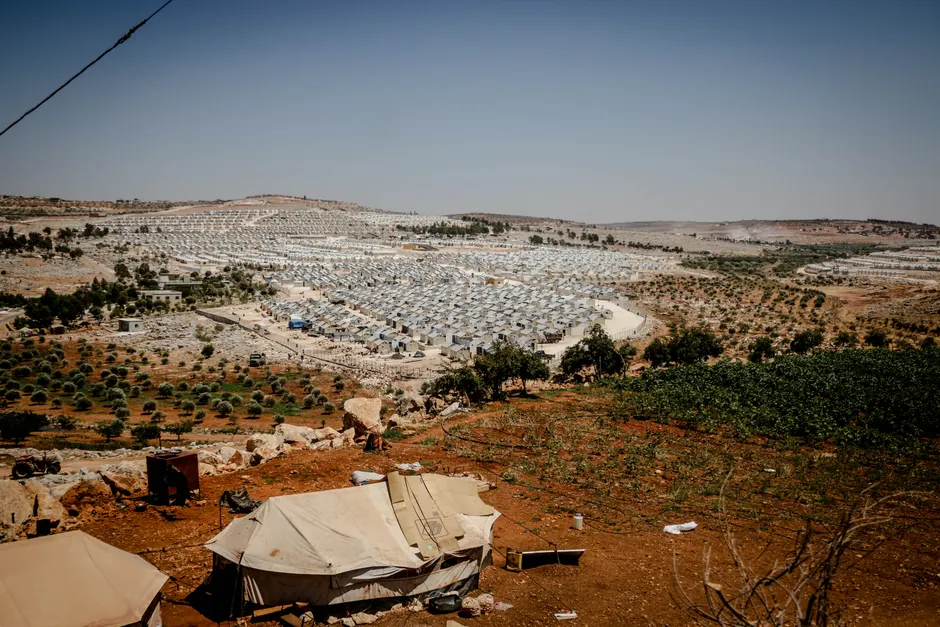
The numbers behind that figure are staggering in their accumulation. Since April 2023, more than 900,000 Sudanese refugees have crossed into eastern Chad, driven by the war between the Sudanese Armed Forces and the Rapid Support Forces that erupted that month. By the end of February 2026, Chad was hosting 1.3 million Sudanese refugees, the majority concentrated in eastern provinces including Ennedi Est and Wadi Fira, per UNHCR data. Camps like Iridimi, in eastern Chad, have become anchors for communities that had no expectation of long-term displacement when they fled. A resurgence of violence in Darfur in April 2026 alone displaced more than 100,000 additional people, compressing an already overstretched system further.
The conditions refugees are escaping have not stabilised. Nearly 25 million people — half of Sudan's population — face extreme hunger in 2026, a figure that has climbed relentlessly since fighting began. UN agencies put the acute hunger caseload at nearly 20 million as of May 2026, with more than 800,000 children at risk of severe acute malnutrition this year. Famine has been formally declared in one area of Sudan and is considered a credible threat in 14 others; five zones in North Darfur, including el-Fasher, were projected to reach famine conditions within six months as of late 2024.
El-Fasher — the Sudanese army's last significant holdout in western Darfur — remains under siege, with hundreds of thousands of civilians trapped and food pipelines severely disrupted, as Reuters reported in August 2025. Earlier satellite and ground reporting had identified 14 rapidly expanding graveyards across Darfur as physical evidence of hunger and disease mortality. Desperate civilians have resorted to eating soil and leaves. Both the SAF and RSF have been documented blocking food aid delivery, instrumentalising hunger in a conflict that has already displaced more than 14 million people.
The Regional Containment Problem
Chad's capacity to absorb this pressure has structural limits that predate the current crisis. The country is among the world's poorest, chronically aid-dependent, and now hosts a refugee population that rivals the entire population of some small states. Chad closed its border with Sudan in February 2026 after armed fighters spilled across it, a decision that cuts off a critical escape route even as violence inside Darfur continues. The closure reflects a genuine security calculation by N'Djamena, but it leaves those fleeing after the border shut with nowhere legal to go.
The humanitarian financing architecture is struggling to keep pace. A UN agency launched a $1.6 billion appeal for Sudan in February 2026, while UNHCR separately requires $928.9 million for the full Sudan emergency, including neighbouring countries. With roughly 4.3 million Sudanese refugees dispersed across the region — concentrated in Egypt and eastern Chad — the per-capita funding gap is substantial. WFP has operated in Chad since 1968, giving it durable logistics infrastructure in the country, but operational continuity means little when core budget lines are unfunded.
The political arithmetic of donor engagement is not encouraging. The Sudan conflict has competed poorly for Western attention against Ukraine, Gaza, and competing humanitarian emergencies. IPC famine declarations, which carry significant technical and diplomatic weight, have historically unlocked some emergency financing, but the gap between declared need and committed funding in Sudan has widened rather than narrowed over the past two years.
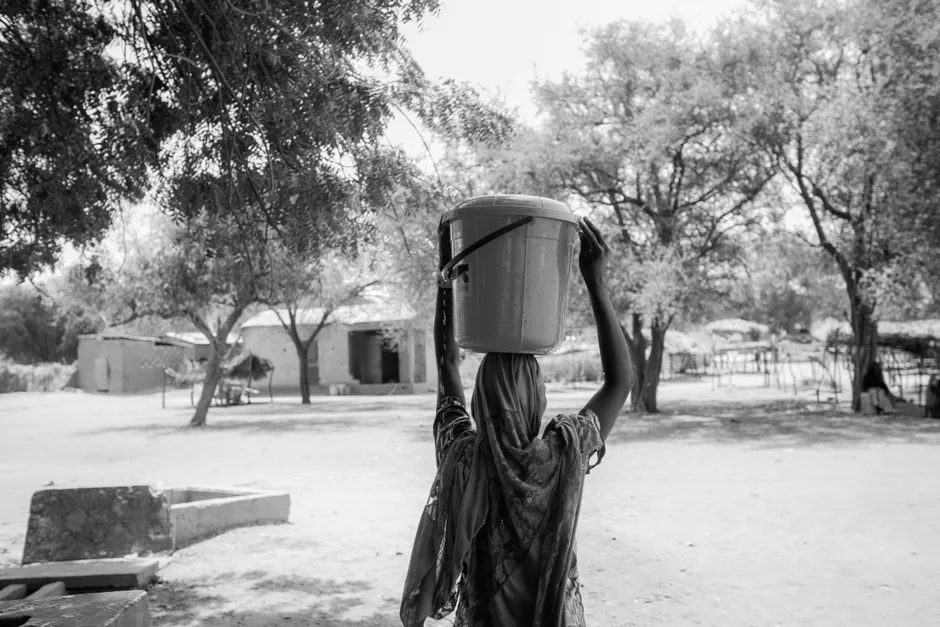
What is playing out in eastern Chad — mothers sheltering under trees, children entering acute malnutrition — is a predictable downstream consequence of a war that has faced no meaningful ceasefire, no sustained diplomatic process, and no enforcement mechanism against aid obstruction. The 1.3 million refugees now in Chad are not a temporary caseload. Without a change in either the conflict's trajectory or the funding environment, the humanitarian system is managing a protracted emergency on emergency-response financing. That gap closes badly.