Reformation Inc. Files for NYSE IPO Under Ticker REF With J.P. Morgan and Morgan Stanley as Lead Books
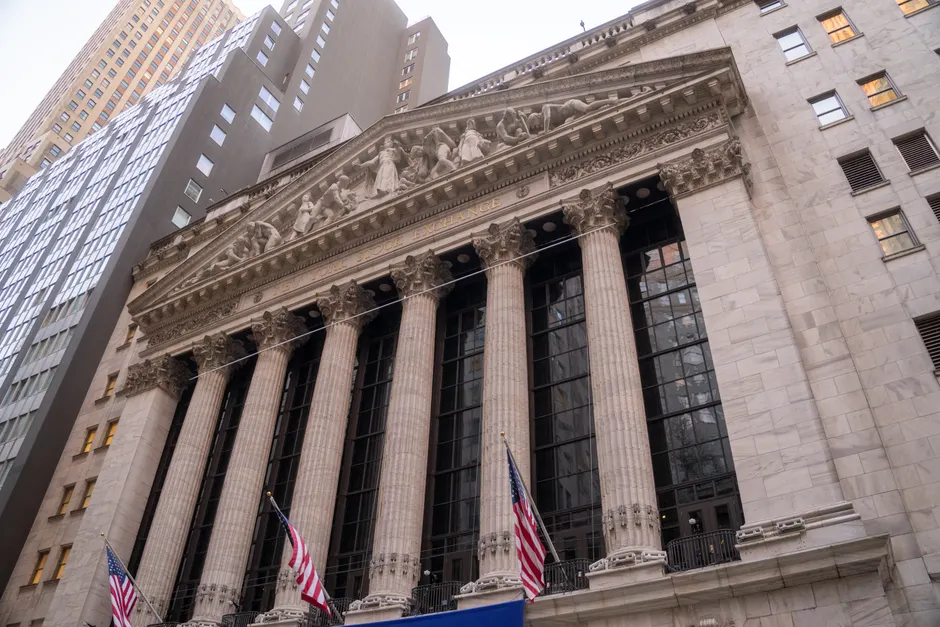
Reformation Inc. filed for an initial public offering on the New York Stock Exchange on June 25, 2026, proposing to trade under the ticker symbol REF, according to its S-1 registration statement filed with the SEC.
J.P. Morgan and Morgan Stanley are named as lead underwriters. That pairing puts two of the Street's highest-volume equity capital markets franchises at the front of the book — a combination typically reserved for deals where the issuer expects significant institutional demand and wants maximum distribution reach across both buy-side breadth and anchor allocation capability.
The filing discloses rising annual revenue, though the S-1 does not yet include a price range or share count, both of which are standard omissions at the initial registration stage. Those figures typically appear in an amended filing — the S-1/A — after the issuer and underwriters have gauged investor appetite through pre-roadshow testing-the-waters meetings.
The revenue growth trajectory matters for how the deal will be positioned. IPO books for companies showing accelerating top-line growth tend to attract a different mix of investors than those for mature, cash-generative issuers: growth-oriented long-only funds and crossover investors who moved in during late private rounds will dominate early conversations, while value-oriented accounts typically wait for a cleaner multiple picture once guidance is set.
What the filing does not yet tell us is equally important. Net income or EBITDA figures, gross margin structure, customer concentration, and any detail on how Reformation funds its working capital cycle are all disclosures that will be material to how institutional investors underwrite the equity story. The absence of a price range means no public valuation anchor exists yet — any figures circulating in the market at this stage are speculative.
The NYSE listing choice, rather than Nasdaq, is worth noting without over-reading. Nasdaq remains the default for most technology and consumer-facing growth issuers, so an NYSE filing is a mild signal — not conclusive — that Reformation's investor relations team anticipates an institutional rather than retail-heavy shareholder base, or that the company sees alignment with NYSE's brand among more traditional sector peers.
J.P. Morgan and Morgan Stanley running joint books means the stabilisation mechanics, green-shoe structure, and aftermarket price support will be coordinated between two large prime brokerage operations. That tends to reduce the risk of disorderly post-listing trading in the first 30 days, though it is no guarantee of price stability — 2021 and 2022 showed that even well-banked IPOs can break issue price sharply if macro conditions shift between pricing and listing.
The SEC review process now begins. The agency typically issues its first round of comment letters within 30 days of an initial S-1 filing, and companies usually need at least one or two rounds of amendments before receiving clearance to proceed. From initial filing to first trading day, the median timeline for mid-to-large IPOs has historically run eight to twelve weeks, though that window compresses or extends depending on SEC workload, market conditions, and how cleanly the initial filing is prepared.
The broader IPO market context as of late June 2026 will matter more for Reformation's execution than the filing itself. Underwriters and issuers both know that the window between filing and pricing is where deals succeed or fail — not in the documentation, but in how receptive institutional investors are when the roadshow launches. The S-1 is the starting pistol, not the finish line.


