Oil Pauses After Monthly Surge as Exports Rebound and Talks Loom
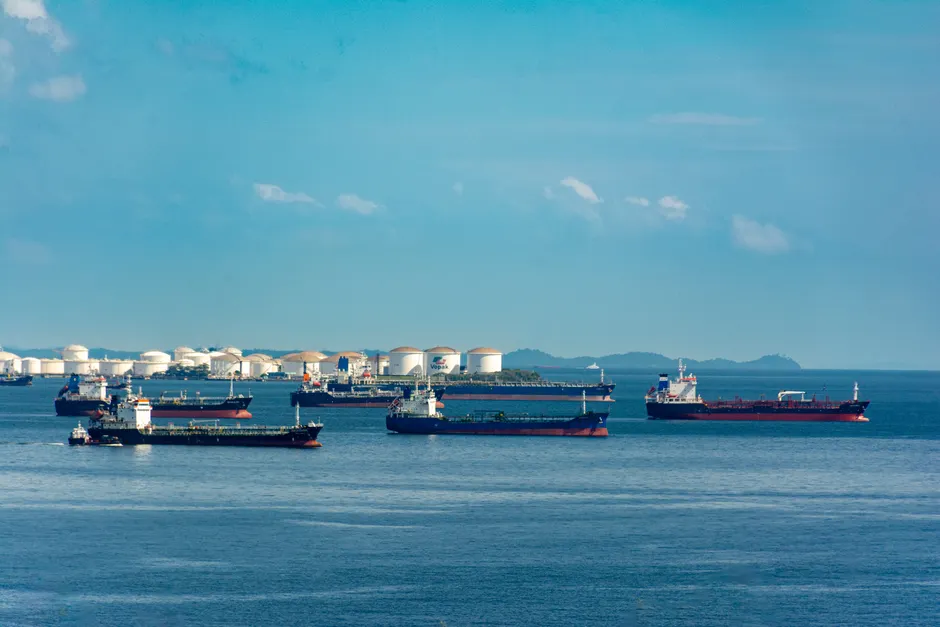
Front-month crude was little changed in early Asian trading on Oct. 1 as investors assessed the outcome of U.S.-Iran peace talks and the latest data on Gulf exports. Channel NewsAsia
The pause followed gains the previous day and steep monthly rises into the Oct. 1 session. Price action was tight. Liquidity was thin. The market was waiting for confirmation on two variables: diplomacy and physical barrels.
The immediate overhang was supply normalization. Oil settled 2.5% lower on Tuesday as investors focused on signs of recovering crude exports from the Middle East, according to BNN Bloomberg. JPMorgan analysts put Middle East crude exports at 17.5 million barrels a day, or 98% of pre-war levels. Yahoo Finance
That estimate, if sustained, changes the prompt calculus. Futures had carried a disruption premium through much of August and September. A return to 98% of pre-war flows implies most of that curtailed volume is back in the seaborne market. It also implies competition among sellers to place barrels.
Iraq is pricing to move volume. The state oil marketer offered buyers contractual crude supplies for October at discounts of as much as $37 a barrel to regional benchmarks, according to Bloomberg. The scale of the discount points to a buyer's market for prompt contractual barrels and pressure on official selling price differentials across the region.
Saudi allocation policy is diverging. Saudi Aramco told European term customers they would receive no Saudi crude in October, according to OilPrice. That decision sits alongside reports of surging Gulf exports overall. For refiners, the effect is segmentation. Atlantic Basin buyers face replacement sourcing. Asian buyers face a lengthening offer list.
The run-up provides context. Brent rose above $94 a barrel as oil extended its rally on Aug. 20, while Middle East crude exports fell sharply last week amid lingering tensions, according to The Wall Street Journal. Prices later fell on uncertainty over U.S.-Iran talks and a pickup in Middle East crude exports, according to The Wall Street Journal. By Sept. 15, oil had risen to four-month highs following the shutdown of Saudi Arabia's East-West Pipeline, with Houthi threats to shipping in the Red Sea adding to supply concern, according to The Wall Street Journal.
Physical chokepoints remain central to pricing. About 20% of global supply moves through the Strait of Hormuz, according to Reuters. Earlier in the cycle, front-month futures settled 0.2% higher at $92.60 a barrel amid the Hormuz standoff. The East-West pipeline, which provides an alternative to Hormuz transit, has been a swing factor in sentiment as reports of its shutdown and reopening circulated.
Longer-horizon balances were already pointing to loosening. Global oil supply was projected to plunge by 8 million barrels per day in March, with Middle East curtailments partly offset by higher non-OPEC+ output, according to the IEA. The U.S. EIA forecast that oil prices will begin to fall as Middle East exports gradually increase and shut-in oil production restarts.
The broader context here is a market shifting from outage pricing to clearance pricing. The August rally rewarded length held through export drops and pipeline outages. The late-September price action punished it. A 2.5% daily settlement drop on export recovery, combined with deep Iraqi contractual discounts, suggests physical overhang is doing more work than headlines about talks.
In my view, the variables to watch are sequencing and quality, not just headline export volumes. Term allocations, grade differentials and freight tell whether 17.5 million barrels a day can clear without further price concessions. A Saudi cut to Europe while Gulf exports rise is not contradictory. It is allocation. It forces European refiners into alternative grades at the same time Iraq discounts to place its own October program. For spread traders, that argues for attention to Brent-Dubai, sour differentials and time spreads rather than flat price alone. Diplomacy sets the tail. Barrels set the front.


