Oil Slips in Asia After Thursday Gains as Hormuz Risk Stays Priced In

Oil futures fell in Asian trading on Friday, a move the Wall Street Journal attributed likely to a technical correction after Thursday's gains. The pullback follows a sharp move higher. The Guardian reported on Thursday that prices had jumped to a five-month high on threats to supply.
The last settlement came on Wednesday. Reuters reported that Brent crude futures settled 3 cents, or 0.03%, higher at $108.82 a barrel, while U.S. West Texas Intermediate closed down 67 cents, or 0.7%. The two benchmarks diverged that session. Brent was essentially flat, and WTI was lower, which is a reminder that the spread between them can move on regional and logistics factors rather than on a single global headline.
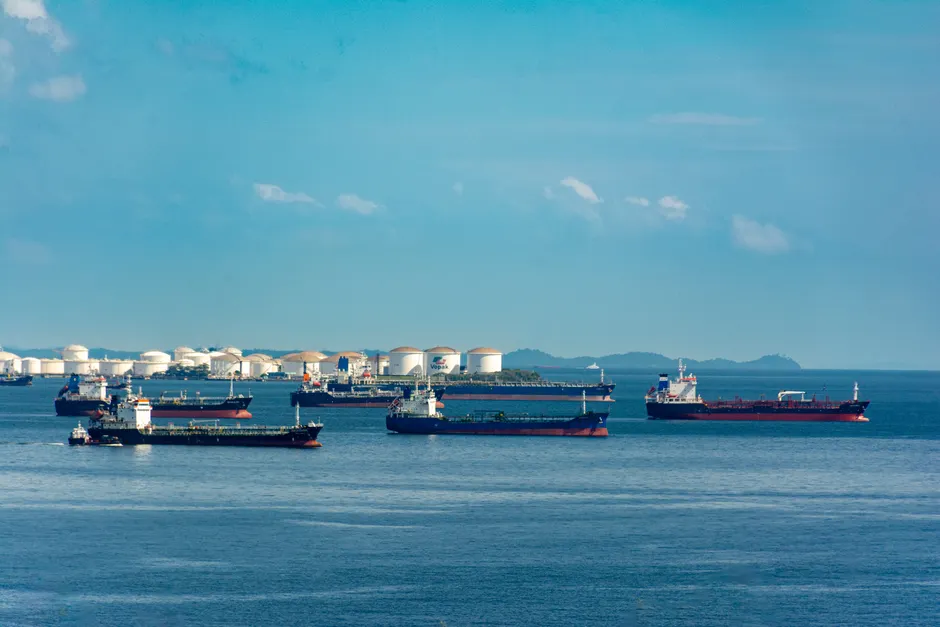
The supply story is the reason prices sit where they do. Iran's government said seven oil tankers caught fire or were damaged in the Strait of Hormuz amid rising tensions. Bloomberg reported that Iran had stepped up attacks on shipping in the strait in recent weeks, and that Houthi militants, who are backed by Tehran, remain part of the regional picture. Earlier in the month, the Wall Street Journal had reported that front-month Brent reached a more than five-month high amid continued Houthi attacks on Saudi targets.
Politics has been layered on top of the physical risk. U.S. President Donald Trump accused Iran of attempting to drive up global oil prices ahead of the midterm elections. Separately, Yahoo Finance reported that oil gained on worries of a possible escalation of Iran-U.S. tensions after the midterms, and that the United States and Israel had reportedly drawn up plans for renewed attacks on Iran after next month's elections.
The headline-driven swings run in both directions. On October 20, Bloomberg reported that an unconfirmed report on Iran war negotiations knocked oil off its five-month highs. Earlier still, oil rose back above $100 a barrel on October 1 as investors weighed a potential return to active conflict between the U.S. and Iran, per Bloomberg. In the first weeks after U.S. and Israeli attacks on Iran, oil had surged past $100 a barrel, according to the Guardian.
The broader context here matters for anyone holding exposure. A technical correction is a move driven by positioning, stop-loss triggers and chart levels after a fast run. It is not, on its own, evidence that the supply picture has eased. Friday's decline therefore tells us less about the direction of the next leg than the size of the risk premium that remains in the price. When a rumor of talks can take several dollars off a barrel and a tanker incident can add them back, the market is trading the probability of disruption as much as the disruption itself.
In my view, the sharper question for desks is how quickly the price reacts to confirmed flows rather than to statements. Reported attack plans, unconfirmed negotiation stories and political accusations all reach prices within hours. Physical confirmation, such as tanker damage reports or changes in transit through the strait, takes longer to verify but carries more weight for sustained pricing. Traders who track both channels will be watching whether the next move in Brent comes from a headline or from a shipping data point.
For households, the transmission runs through fuel prices and, over time, through transport and goods costs. For investors, the immediate lesson from this week is that the sessions can reverse sharply on either diplomatic or military news, and a single-day correction should not be read as a trend. Nothing here amounts to a view on where prices go from here. The market is sitting close to five-month highs, with the Middle East supply risk still unresolved and the political calendar adding another source of volatility.