Samsung Pushes Galaxy S26 Prices Higher Again in the US
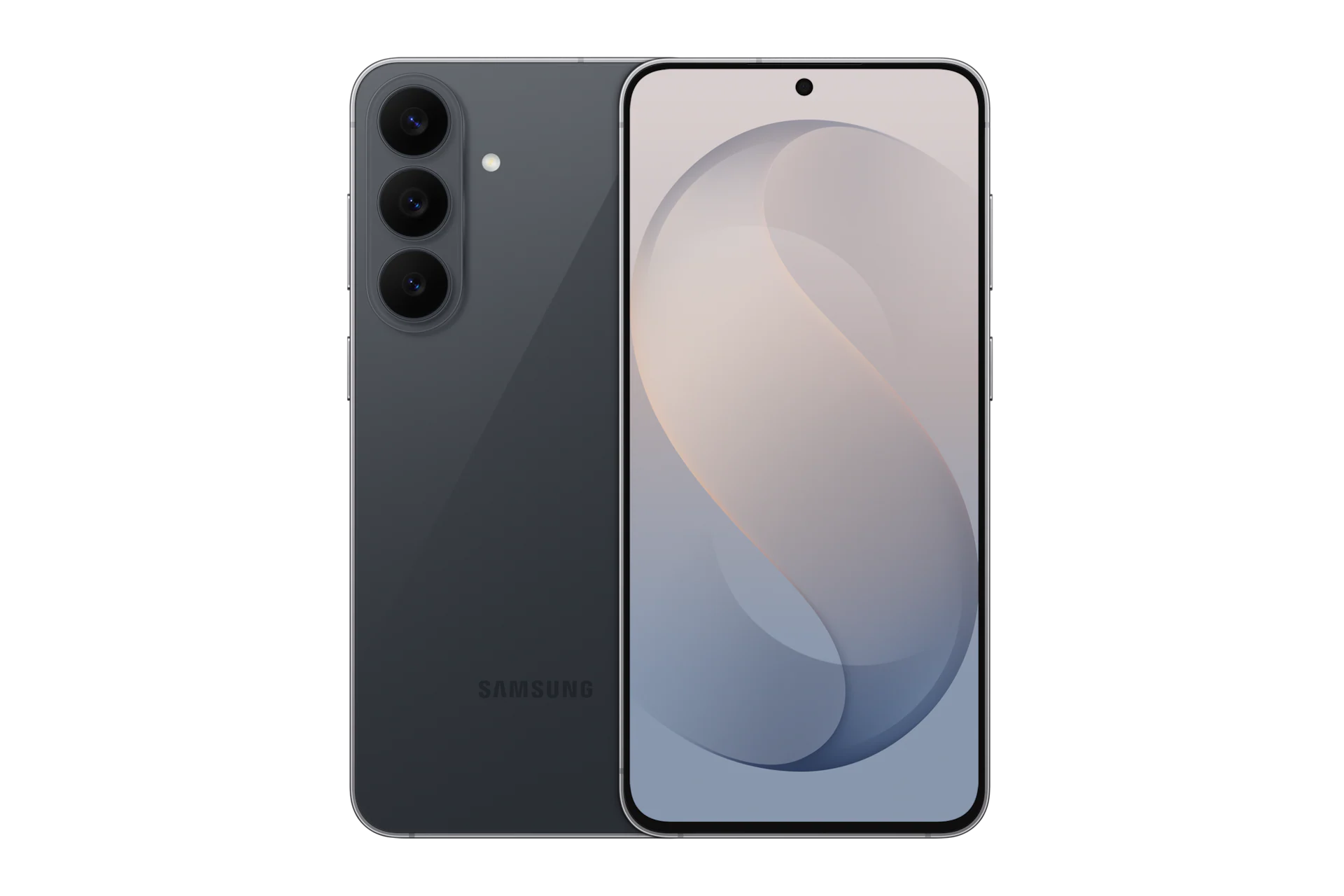
Samsung has raised US prices across the Galaxy S26 lineup by $100 or more, pushing the base 256GB Galaxy S26 to nearly $1,000. The Verge, citing Phone Arena, reported the adjustment on Oct. 1, 2026.
Nearly every phone in the Galaxy S26 lineup is now $100 pricier on Samsung's official website. The 1TB version of the Galaxy S26 Ultra received a $200 increase, a larger step than the rest of the range.
The Galaxy S26 FE is the exception. It was unaffected by the latest change and still starts at $699.
This is the second US increase for the S26 generation. The Galaxy S26 and S26 Plus launched earlier this year priced $100 higher than their S25 predecessors. Combined, the two hikes make the base Galaxy S26 cost $200 more than the base Galaxy S25.
Samsung said RAM price hikes were partly to blame for the initial increase. The company has not attributed the second increase in the same terms in the verified reporting, which describes the new pricing as listed on Samsung's site rather than as a formal statement of cause.
The latest US change did not arrive without warning. On Sept. 14, 2026, 9to5Google reported that Samsung's Galaxy S26 series could receive price hikes of around $100. 9to5Google
Phone Arena then reported that Korean outlet Hans Economy claimed Samsung was considering price hikes across the Galaxy S26 series. In that Sept. 16 report, the South Korea price for the Galaxy S26 was described as increasing from KRW 1,245,000 (about $910) to KRW 1,403,600 (about $1,026). PhoneArena
For buyers comparing configurations, the differences between SKUs matter more than usual at these prices. The base Galaxy S26 has a 6.3-inch display. PhoneArena The unlocked Galaxy S26 FE 256GB in Graphite has a 6.7-inch display. Samsung lists the unlocked Galaxy S26 Ultra 256GB at a one-time payment price of $1,299.99, with up to $720 in instant trade-in credit available on that configuration. That Ultra configuration features a 200MP camera.
The broader context here is component cost pass-through, and how vendors decide when to absorb it and when to reprice mid-cycle. Mid-generation increases are uncommon for Samsung in the US market, where launch pricing tends to hold until carrier promotions and holiday discounting take over. Doing it twice in one generation, first at launch and again on the official storefront, points to sustained pressure on memory costs rather than a routine positioning adjustment.
Looking at what this means for enterprise buyers and enthusiasts, headline price is only part of the transaction. Unlocked pricing sets the ceiling. Trade-in values, carrier financing terms, and corporate discount programs determine what organizations and repeat upgraders actually pay. A $100 increase offset by a $720 trade-in credit changes the math less for a customer trading a recent flagship than for a customer buying outright or holding a device for three to four years.
In my view, the decision to hold the FE at $699 is as telling as the increases above it. It preserves a sub-$700 entry point with a larger display option for price-sensitive buyers, IT fleets, and anyone who upgrades on battery life and screen size rather than camera system or maximum storage. Segmentation of this kind lets Samsung protect volume while letting the higher SKUs carry more of the memory cost.
Worth flagging for the next two quarters is how this affects upgrade timing. Higher outright prices tend to lengthen holding periods and increase interest in certified refurbished devices, expanded storage tiers kept for longer, and battery replacement. Over the long arc, that is not necessarily negative. Longer-lived phones paired with continued security updates reduce waste and lower total cost of ownership, even if the initial purchase stings more than expected.