Samsung and Google Raise Budget Phone Prices as $100 Hikes Spread

Samsung and Google have raised prices on their budget and midrange phones in the United States, extending a pricing shift that now reaches from entry-level 5G models to flagships.
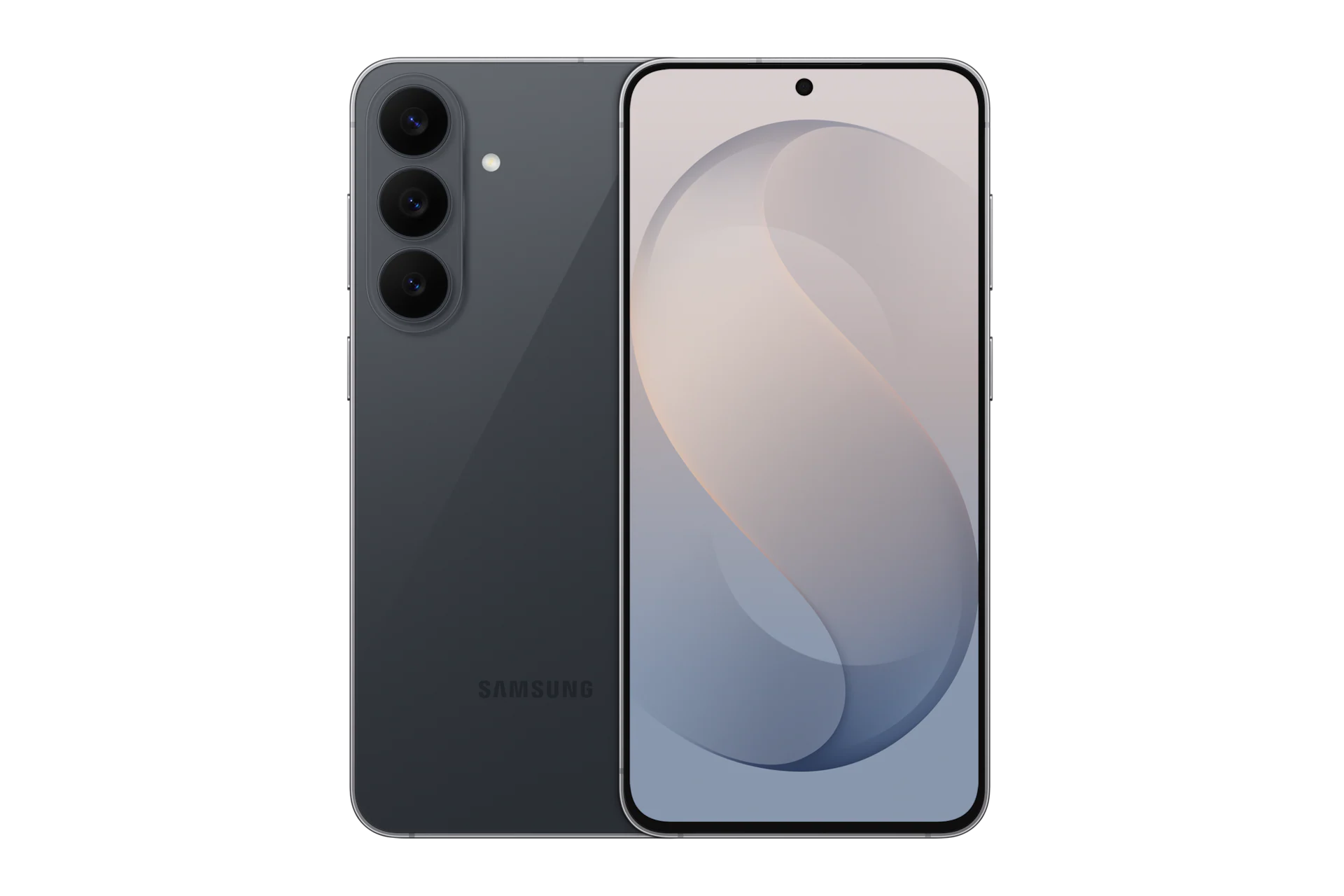
The latest listings put the Samsung Galaxy A17 5G at $270, up from $200, an increase of $70. The Galaxy A27 5G moved from $350 to $380, the Galaxy A37 5G from $450 to $490, and the Galaxy A57 5G from $550 to $600 Engadget. The adjustments were reported on Oct. 2, 2026. Each step preserves the existing A-series ladder. The dollar impact is largest at the bottom.
Google's Pixel 10a shows a larger jump. The U.S. price increased from $499 to $599, an increase of $100. In Canada, the price increased from CAD 679 to CAD 849 Engadget. The prior Pixel 9a started at $499 Google. It was available at the Google Store and through retail partners starting April 10 in the U.S. and Canada. The Pixel 10a is described by Google as having a smooth design made with recycled materials Google. In Australia, the Pixel 10a starts from $849 RRP Google.
Flagship pricing moved earlier. Samsung Galaxy S26 series handsets have gone up by at least $100 on Samsung's website Stuff. Current listings put the Galaxy S26 at $1,199, the Galaxy S26 Plus at $1,399, and the Galaxy S26 Ultra at $1,599 Android Central. Those prices were visible online on Oct. 1, 2026. Samsung's U.S. Galaxy A Series page separately lists pricing from $549.99 before eligible trade-in Samsung.
The S26 series was unveiled at Galaxy Unpacked in San Francisco on Feb. 25, 2026 Samsung. Samsung unveiled the Galaxy S26 series at that event. It also unveiled the Galaxy Buds4 series at the same event.
The increases fit a wider pattern. The $100 price hike has been a trend across the smartphone industry this year The Verge. Google and Samsung followed the same formula as Apple for smartphone price hikes. In July, Samsung unveiled a passport-sized foldable phone priced at $1,899 and raised prices of its updated foldables by $100 Reuters. Google all but confirmed a price hike for the Pixel 11 The Verge.
Looking at what this means for buyers who manage fleets or recommend devices, the budget tier is where the math changes fastest. A $30 or $40 increase on a $350 to $450 device alters total cost at volume, accessory and support costs aside. A $70 increase on a $200 device and a $100 increase on a $499 device compress the gap to the next tier. IT buyers who standardized on A27 or A37, or on A-series Pixel equivalents, will need to recheck thresholds for approval, trade-in value, and lifecycle replacement.
In this author's view, the long arc still favors access. I watched my own children move from shared family PCs to cheap Android phones as their first personal computers, and each drop in usable computing cost expanded what they could do. Higher entry prices slow that effect at the margin. They do not reverse it. More capable radios, longer security update windows, and on-device AI features continue to push down into $300 to $600 hardware, which keeps these devices viable as primary computing devices for many users.