Europe's June 2026 Heatwave Turns Deadly as Records Fall and Wildfires Ignite

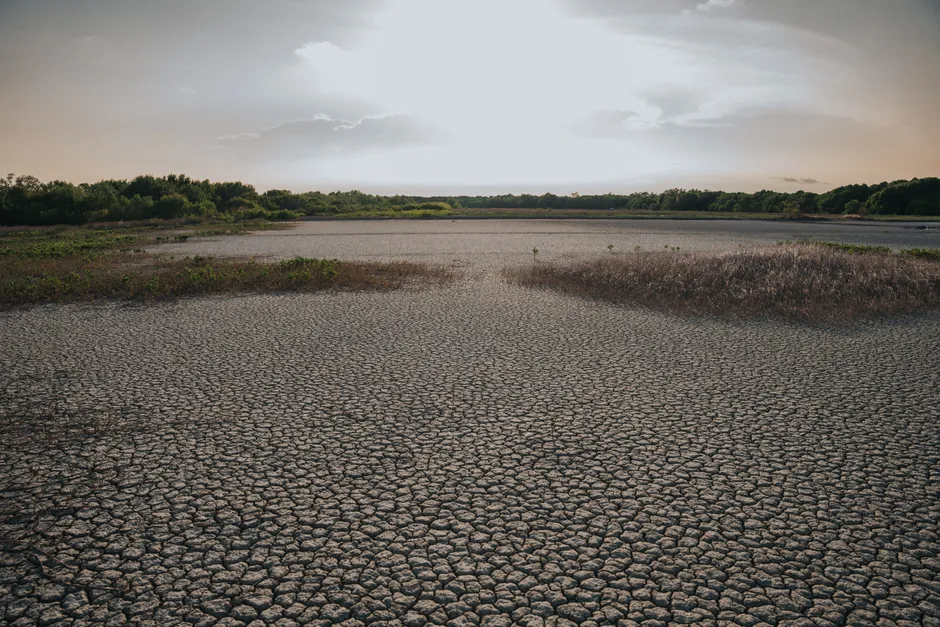
A record-breaking heatwave swept Europe from late May 2026, killing at least 18 people in France alone, forcing the postponement of the Paris Pride March, and triggering a major moorland wildfire in northern England — with temperatures still climbing as of 26 June 2026.
The Human Cost
France bore the sharpest toll. By 23 June, Time reported at least 18 deaths in the country, including two young children — aged four and two — found dead inside a vehicle in south-eastern France, according to The Guardian. The car fatalities are a grim recurrence of a pattern documented during past European heat crises: hyperthermia in enclosed vehicles can be fatal within an hour at ambient temperatures above 35°C, and enforcement of public awareness campaigns has historically lagged the pace of extreme events.
The toll is almost certainly provisional. Heat-related mortality is routinely undercounted in real time; post-event epidemiological reviews — as with the 2003 European heatwave — typically revise figures upward by a significant margin weeks after the peak passes.
Record Temperatures and Official Warnings
The Met Office issued a red extreme heat warning for parts of England and Wales on 22 June 2026, its highest alert tier, forecasting that June temperature records were at risk. The previous UK June maximum stood at 35.6°C. Red warnings are reserved for conditions where population-wide impacts on health, infrastructure, and public services are considered near-certain rather than merely probable.
Records fell across the continent. Belgium, Germany, Ireland, Italy, the Netherlands, Spain, and other countries all registered new highs, according to Wikipedia's running event log. Poland issued simultaneous heatwave and wildfire warnings nationwide as the system intensified, TVP World reported on 24 June.
The geographic breadth distinguishes this event from prior heatwaves that tended to concentrate in Mediterranean or central European corridors. Simultaneous record-breaking in Ireland and Italy signals a synoptic pattern — a persistent, expansive high-pressure block — rather than a localised anomaly.
Wildfires
On the ground in England, the heat translated directly into fire risk. A wildfire broke out on Tintwistle Moor near Glossop on 26 June 2026, burning through more than 500 square metres of moorland and forcing road closures in the area, per The Guardian. Crews from Derbyshire and Greater Manchester Fire and Rescue Services responded, supported by a water carrier, the BBC reported. Yahoo News confirmed firefighters were still working the site on 26 June.
Tintwistle and the surrounding Dark Peak moorlands are composed largely of desiccated peat and heather — fuel loads that ignite readily during prolonged dry heat and are notoriously difficult to fully extinguish. The 2018 Saddleworth Moor fire, roughly 15 kilometres away, burned for weeks. The proximity to Greater Manchester raises air-quality concerns beyond the immediate fire perimeter.
Civic Disruption
The heatwave's reach extended into public life. Paris police ordered organisers of the city's Pride march — scheduled for 27 June — to change the date or face a ban, citing public safety in extreme heat. Organisers complied, postponing the event to September 2026, Reuters reported on 26 June. The decision reflects a recurring tension between civil liberties and emergency powers in heat emergencies: French authorities have broad authority under the Code de la sécurité intérieure to restrict public gatherings on safety grounds, but its application to a major civic event is politically sensitive and sets a precedent others will watch.
What Follows
With the heatwave system still in place as of 26 June, the trajectory for the coming days matters. Heat deaths, wildfire spread, and infrastructure stress — rail buckling, power grid strain — typically peak during the third or fourth consecutive day of extreme temperatures, when nocturnal cooling fails to provide physiological recovery. The UK red warning, the Polish national alert, and the active wildfire on Tintwistle Moor all point to a system still at or near its peak intensity. Whether June temperature records in England and Wales fall will be confirmed once Met Office provisional data are published — but the conditions that would produce that outcome were already in place before 26 June.