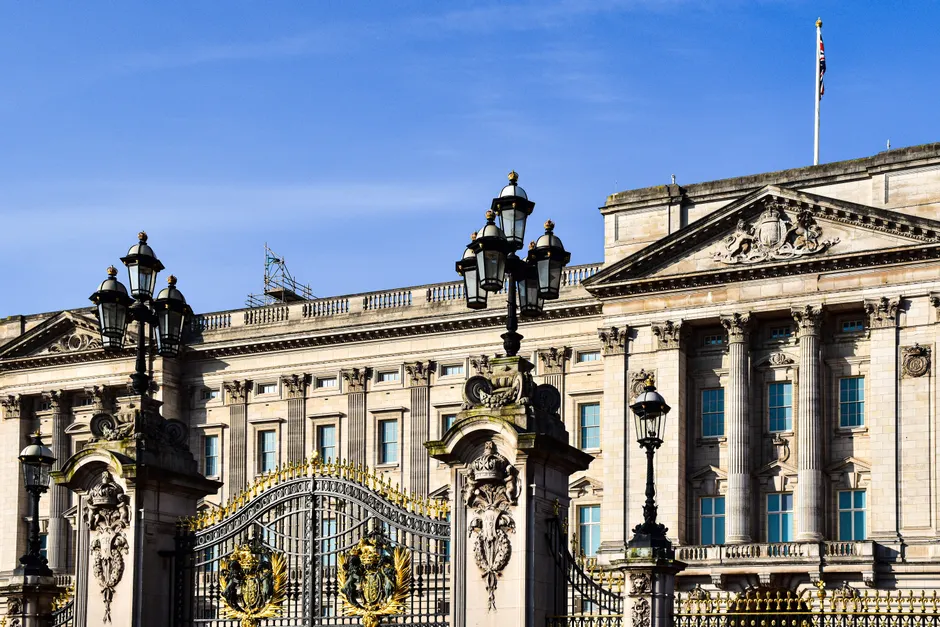
Buckingham Palace Reservicing: £369 Million Programme Nears Its Final Phase

The ten-year, £369 million Buckingham Palace Reservicing Programme is approaching the end of its funded period, with capital expenditure authorised through 2026-27, according to the Sovereign Grant Annual Report and Accounts published on 21 June 2026.
The programme, one of the largest infrastructure undertakings in the Palace's modern history, addresses the replacement of ageing electrical, heating, and plumbing systems that had gone largely unrenewed since the post-war era. The £369 million envelope was agreed at the outset as the total funding commitment, with the Royal Household drawing on the Sovereign Grant — the mechanism by which Parliament funds the monarchy's official duties through a percentage of Crown Estate revenues — to finance the work.
Crucially, the Palace has remained occupied and fully operational throughout construction. That constraint shaped every phase of the project: works were sequenced around the official programme, with state rooms, offices, and residential quarters handed back progressively as each section was completed. On 9 June 2026, King Charles III presented New Colours to the Grenadier Guards at Buckingham Palace, a ceremonial event that illustrates the Palace's continued function as a working royal residence even as capital works proceed around it.
The Sovereign Grant Annual Report 2024-25, published 25 June 2025, confirmed the £369 million figure and the 2026-27 funding horizon, providing the most authoritative recent account of the programme's financial parameters. Beyond the immediate infrastructure remediation, the Royal Household has stated that the programme is designed to deliver long-term financial savings through reduced maintenance liability, environmental gains through more efficient building systems, and enhanced visitor access to the Palace.
The financial logic is straightforward: deferred maintenance on a building of this scale compounds. The pre-programme systems carried significant risk of failure, and the cost of reactive repair to Grade I-listed fabric would have substantially exceeded a planned replacement programme. The environmental rationale follows from that — modernised HVAC and electrical infrastructure typically delivers measurable reductions in energy consumption, relevant against the Royal Household's published sustainability commitments.
With the funding period closing in 2026-27, the coming months will clarify what, if any, residual works or post-programme maintenance arrangements the Household intends to put in place. The broader question — whether the Sovereign Grant formula remains calibrated appropriately once the reservicing uplift falls away — sits with Parliament and the Treasury, and will surface in any future review of the Grant's percentage rate.