Ocado Board Opens CEO Succession Process as Steiner Era Enters Uncertain Phase

Ocado's board has confirmed it is conducting long-term CEO succession planning and engaging with potential candidates, placing the future of founder Tim Steiner's leadership formally under review for the first time.
The disclosure, reported by Reuters on 22 June 2026, is notable for its timing. Steiner has led Ocado since its founding, making him one of the longest-serving executives among FTSE-listed technology and retail companies. Succession planning at this level, when made public, rarely stays theoretical for long.
The board's decision to surface this process — rather than manage it quietly — carries its own signal. Boards typically disclose succession activity when shareholder or market pressure has made concealment untenable, or when the timeline is short enough that controlled disclosure is preferable to a leak. Retail Gazette reported on 25 June 2026 that succession talks have intensified amid a share price slump that has increased pressure on Steiner directly — suggesting the external context is weighing on the board's calculus.
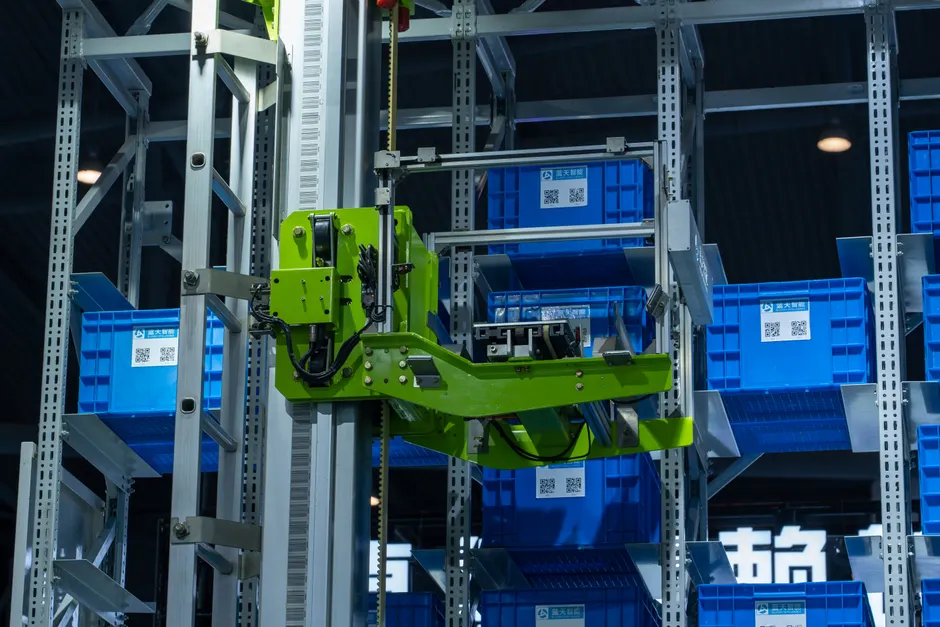
Ocado occupies an unusual structural position in the grocery and logistics technology space. It operates as both a UK online grocer and a technology licensor, selling its automated warehouse platform — the Ocado Smart Platform — to third-party retailers globally under long-term partnership agreements. That dual identity has always complicated how the market values the business. The technology division's contract wins are priced on growth and long-horizon cash flows; the retail arm is measured on margin and volume. Steiner has been the architect of both, and the strategic coherence between the two has depended heavily on his continued presence as the linking narrative.
For institutional investors, the succession question is therefore not simply about management change. It concerns whether the current strategic frame — technology licensor first, retailer second — survives the transition intact, or whether an incoming CEO recalibrates toward shorter-cycle returns. Partners who have signed long-term OSP agreements will be watching for any signal that Ocado's product roadmap or commercial priorities might shift under new leadership.
The mechanics of what "engaging with potential candidates" means in practice are worth parsing. At this stage, boards typically conduct a structured mapping exercise — often with an executive search firm — to identify internal candidates, assess external benchmarks, and pressure-test criteria. Active engagement with candidates does not imply imminent appointment; in complex cases, this phase can extend twelve to eighteen months. What it does mean is that the board has moved past the preliminary governance checkbox and into substantive process.
Steiner's position in the interim is the key operational variable. Founder-CEOs who enter publicly acknowledged succession processes face a particular challenge: their authority to make long-term strategic commitments can erode before a successor is named, creating a decision vacuum that affects everything from capital allocation to talent retention. How Ocado's board manages that interval — and how explicitly it backs Steiner's mandate during the transition — will shape whether the process is orderly or destabilising.
The share price context matters here. Prolonged underperformance tends to accelerate succession timelines, compress boards' patience with process, and increase the likelihood that an external candidate rather than an internal one is appointed. External hires typically signal a sharper break with existing strategy; internal promotions signal continuity. Which direction the Ocado board is leaning will become clearer as candidate engagement progresses and any further disclosures emerge.
For now, the facts are narrow but the implications branch widely. A board that has gone public with succession planning has, in effect, acknowledged that the status quo has a defined horizon. The question is how long that horizon is, and what stands on the other side of it.