Andy Burnham Launches Labour Leadership Bid with 10-Year Devolution Plan and 'No. 10 in the North'
Andy Burnham announced his candidacy for the Labour leadership on 29 June 2026, entering the race to succeed Keir Starmer — who has confirmed he will resign as Prime Minister — with a platform built around structural redistribution of executive power away from Westminster.
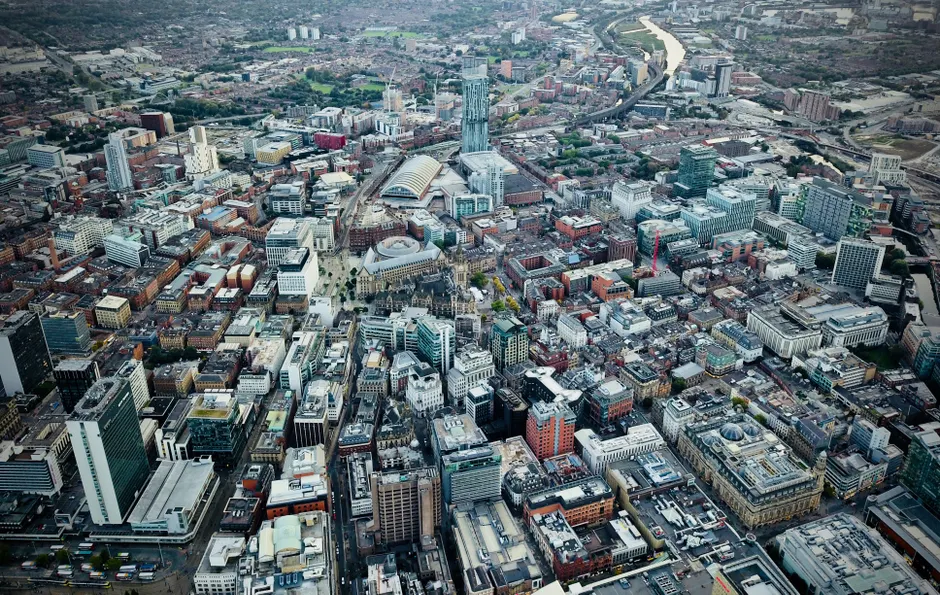
The centrepiece of Burnham's pitch is a 10-year programme to expand mayoral authority, combined with a proposal to establish what he is calling a 'No. 10 in the North' — relocating parts of Downing Street's operational machinery outside London. The framing is deliberately constitutional: not merely a regional investment strategy, but a reorganisation of where governing decisions are made and administered.
Burnham brings unusually direct credentials to that argument. He served as Mayor of Greater Manchester before returning to Parliament, giving him standing to speak on devolution that few Labour MPs can match from personal experience. That tenure also positioned him, throughout Starmer's premiership, as a prominent voice distancing himself from central-government policy — a posture that PBS reported left him constrained by the same policy inheritance he publicly critiqued.
The 'No. 10 in the North' concept is the most concrete — and politically audacious — element of the announcement. Moving Downing Street functions northward would require more than a change of address; it would mean reorienting how civil service advice flows, how ministerial decisions are logged, and which geography anchors the prime minister's daily operations. Whether the proposal carries specific institutional commitments or functions primarily as a mobilising symbol will be the first question scrutinised by rivals and constitutional scholars alike.
The broader devolution agenda connects to a long-running fault line inside the Labour Party and in British governance more widely. Successive governments have announced decentralisation initiatives — from the Blair-era regional assemblies to the Cameron and Osborne 'Northern Powerhouse' — that stopped well short of meaningful fiscal or legislative transfer. Burnham's 10-year timetable is notable precisely because it implies a pace slower than headline politics but more durable than a single Parliament's ambitions. It also signals an expectation that he would need two terms to complete the project.
Burnham's entry reshapes a leadership contest that is, as of 29 June, still forming. Starmer's resignation triggers an internal party process in which the parliamentary Labour Party, affiliated trade unions, and party members each carry weighted votes. Burnham, having been outside Parliament during his mayoral tenure, will need to re-establish relationships inside the PLP while simultaneously campaigning to the membership and union structures where his northern, public-services brand carries more immediate resonance.
The timing and the platform together suggest a calculated bet: that Labour's next reckoning is less about the ideological left-right axis that defined the Corbyn-to-Starmer arc, and more about geography, institutional trust, and the perception that Westminster governs in the interests of a narrow metropolitan centre. Whether that framing wins a leadership contest — decided substantially by MPs and party insiders — or simply positions Burnham for a later cycle is a genuinely open question.


