Burnham Sets Out Devolution Agenda in First Major Leadership Speech

Andy Burnham, MP for Makerfield and widely regarded as Labour's prime minister-in-waiting, delivered what BBC News characterised as his first major leadership speech at the People's History Museum in Manchester on 28 June 2026 — a venue whose symbolism required no elaboration. The address followed Keir Starmer's announcement earlier in June that he would resign as prime minister, less than two years after Labour's landslide general election victory.
The centrepiece of the speech was a commitment to structural devolution: Burnham pledged to transfer decision-making power away from Westminster, give measurably greater autonomy to local government leaders, and — according to the Manchester Evening News — move part of government operations outside the capital entirely. Reuters and AP both framed the agenda as radical change to British politics, with Burnham explicitly promising a "new direction" for the country.
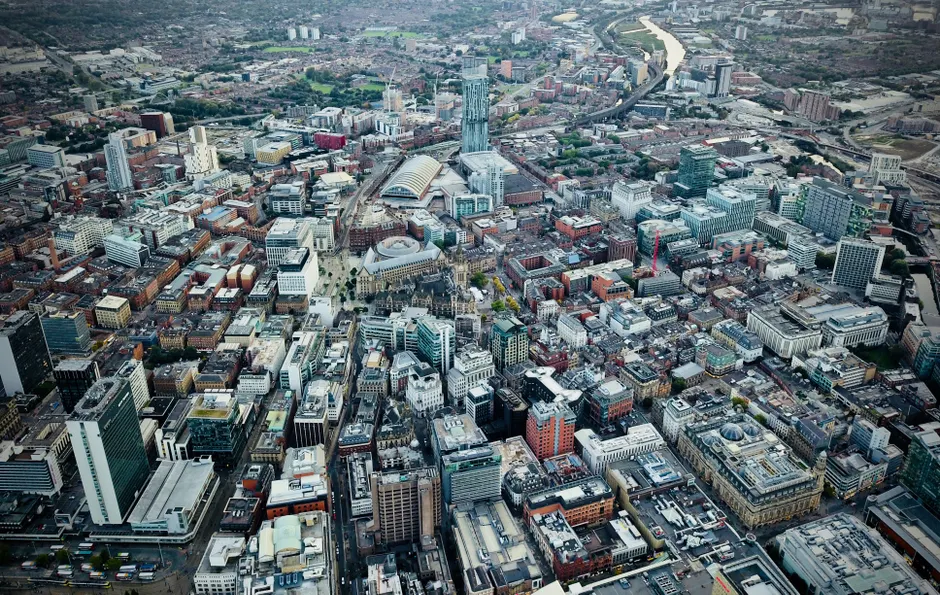
The timing and location were deliberate. Manchester is not merely Burnham's political base — as Greater Manchester's first directly elected Mayor since 2017, he has spent nearly a decade building the practical case that metro governance can deliver outcomes Whitehall cannot. Choosing the People's History Museum, a site dedicated to the labour movement and working-class political history, positioned the speech within a tradition of bottom-up democratic reform rather than technocratic reorganisation. The audience was being told this is principle, not process.
What Burnham is proposing goes beyond the incrementalism of previous devolution settlements. The English devolution framework that emerged under both Conservative and Labour governments since 2010 has been patchwork — metro mayors with variable powers, city deals negotiated individually, fiscal autonomy constrained at every turn by HM Treasury's grip on the block grant. Burnham's stated intent to physically relocate parts of government outside Westminster, if enacted, would be a structural break from that model. It echoes the logic behind Scotland's Holyrood settlement and, more distantly, Germany's federal architecture, where genuine administrative dispersal underpins rather than merely decorates regional power.
The political context is equally significant. Starmer's resignation — coming before the end of a first parliamentary term following a landslide — is a rare event in British political history and leaves Labour navigating a leadership contest without the cushion of a policy mandate that has retained public confidence. Burnham enters that contest as the dominant figure, but the devolution pitch also does something tactically useful: it differentiates him from the centralising instincts associated with the Starmer administration while avoiding a direct attack on his predecessor. The speech is a platform statement, not a post-mortem.
The harder question is delivery. Devolution pledges have a long record of surviving manifestos but stalling on contact with the Treasury and Whitehall departmental inertia. The fiscal architecture of English local government — heavily dependent on central grants, with limited tax-raising powers — is the binding constraint that no amount of rhetoric about local leaders reshapes on its own. Whether Burnham's agenda includes concrete proposals on fiscal devolution, the redistribution of departmental budgets, or reform of the Barnett formula for English regions will determine whether this speech is a governing blueprint or a campaign positioning document. Those details, if they exist, had not been fully published at the time of reporting.
What is clear is that Burnham is framing the post-Starmer moment as an opportunity to reorder British governance from its geographic and institutional centre of gravity. For practitioners in local government, regional policy, and intergovernmental relations, the speech opens a window — however narrow — onto what a Burnham premiership would prioritise in its first legislative session.