Meta Ray-Ban Smart Glasses Gain Traction as AI-Powered Wearables Pioneer Mass Market

Meta Ray-Ban Smart Glasses Gain Traction as AI-Powered Wearables Pioneer Mass Market
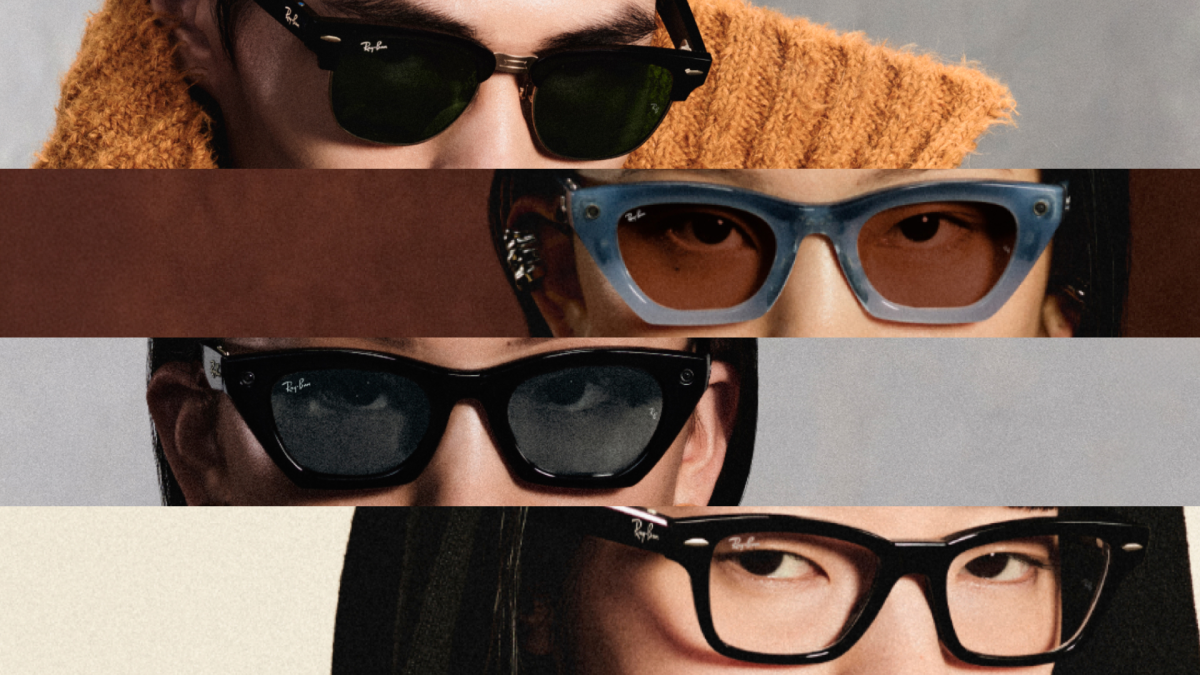
Meta's second-generation Ray-Ban smart glasses are establishing themselves as the most successful consumer wearable computing platform outside of smartwatches and earbuds, marking a significant milestone in the company's hardware strategy and the broader adoption of AI-powered wearables.
Market Performance and Consumer Reception
The Ray-Ban Meta glasses, launched in October 2023, have achieved what their predecessors could not: genuine consumer adoption beyond early adopters. Unlike the original Ray-Ban Stories, which struggled to find product-market fit, the current iteration has benefited from improved hardware specifications, expanded AI capabilities, and a pricing strategy that positions the device as a premium but accessible consumer product.
The glasses retail between $299 and $379 depending on lens configuration and frame style, a price point that places them competitively against high-end traditional sunglasses while incorporating substantial computing capabilities. This pricing reflects Meta's strategic decision to subsidize hardware costs in pursuit of platform adoption, a familiar approach from the company's VR headset business.
Technical Architecture and Capabilities
The second-generation hardware incorporates several key improvements over the original model. The integrated camera system now supports higher-resolution photo capture and improved video recording capabilities, while the audio system has been redesigned to minimize sound leakage—addressing one of the primary user experience complaints from the first generation.
The AI integration represents the most significant advancement. The glasses now feature Meta AI voice assistant capabilities, enabling users to perform image recognition, answer questions about their environment, and execute basic computational tasks through natural language commands. This functionality leverages Meta's large language model infrastructure, with processing split between on-device computation for latency-sensitive tasks and cloud-based inference for more complex operations.
The device maintains a lightweight form factor through careful component selection and thermal management. Battery life spans approximately four hours of continuous use, with the included charging case providing additional power for extended usage scenarios.
Platform Strategy and Ecosystem Development
Meta's approach with the Ray-Ban glasses reflects a broader strategic shift toward ambient computing interfaces that integrate naturally into existing user behaviors. Rather than requiring users to adopt entirely new interaction paradigms, the glasses build upon familiar eyewear form factors while introducing computational capabilities incrementally.
The software platform continues to evolve through regular over-the-air updates, with Meta adding new AI capabilities and improving existing functionality based on user feedback and usage patterns. This iterative development model mirrors successful mobile platform strategies, allowing the company to refine the user experience while expanding feature sets.
The integration with Meta's broader social platform ecosystem enables seamless content sharing across Instagram, Facebook, and WhatsApp, creating network effects that encourage adoption among users already invested in the company's services.
Industry Context and Competitive Landscape
The success of the Ray-Ban Meta glasses comes as other technology companies have struggled to achieve similar traction in the smart glasses category. Google's repeated attempts at consumer smart glasses have failed to gain meaningful adoption, while Apple's Vision Pro targets a fundamentally different use case and price segment.
The partnership with Luxottica, Ray-Ban's parent company, has proven crucial to the product's market acceptance. The collaboration provides Meta with established distribution channels, brand credibility in the eyewear market, and manufacturing expertise that would have taken years to develop internally.
This partnership model contrasts with Apple's typical approach of developing hardware capabilities in-house, and represents a potentially more scalable path to market for complex wearable devices that intersect with established consumer product categories.
Adoption Patterns and Use Cases
User behavior analysis reveals several primary use cases driving adoption. Photography and video capture represent the most frequent activities, with users appreciating the hands-free content creation capabilities. The AI assistant functionality has seen growing usage as the underlying models have improved and response latency has decreased.
Business and professional applications are emerging as an unexpected growth area. Remote workers use the glasses for discrete video calls and information lookup, while field service technicians leverage the hands-free documentation capabilities. These enterprise use cases suggest potential expansion opportunities beyond the initial consumer focus.
Technical Limitations and Future Development
Current hardware constraints limit the device's capabilities in several key areas. Processing power remains insufficient for complex on-device AI inference, requiring cloud connectivity for most intelligent features. This dependency creates latency issues and raises privacy concerns for some user segments.
Battery life continues to constrain usage patterns, particularly for users who rely heavily on the AI features or extended video recording. The thermal envelope of the lightweight design also limits sustained computational workloads.
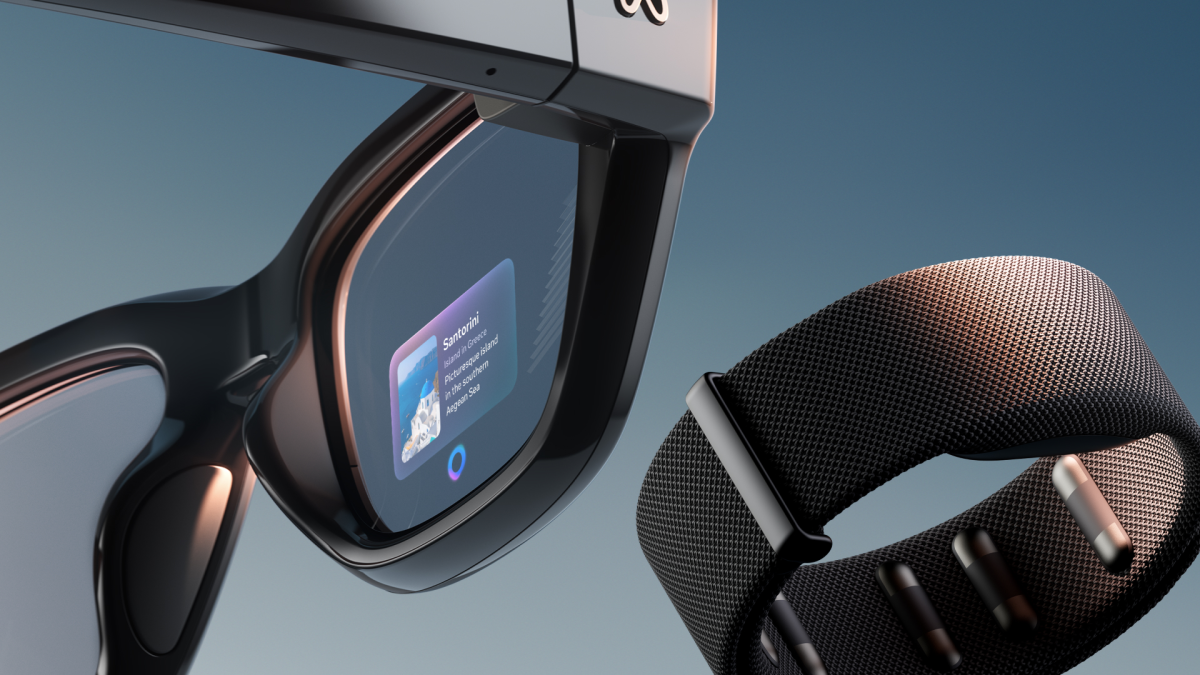
Display technology represents the most significant missing component compared to science fiction expectations of smart glasses. The current generation lacks any visual overlay capability, functioning purely as a camera and audio device with AI processing. Meta's investment in AR display technology suggests future generations may incorporate heads-up display functionality.
Privacy and Regulatory Considerations
The glasses include LED indicators that activate during recording to address privacy concerns, though the visibility of these indicators in bright outdoor conditions remains limited. Meta has implemented cloud data processing safeguards and user control mechanisms, but the device's capability to capture video and audio in public spaces continues to generate regulatory scrutiny.
Several jurisdictions have begun examining whether existing privacy laws adequately address always-available recording capabilities, particularly in workplace and educational environments. The outcome of these regulatory discussions will likely influence the design and capabilities of future generations.
Market Implications
The Ray-Ban Meta glasses represent a successful proof-of-concept for AI-powered wearables in the consumer market. Their adoption validates the approach of enhancing familiar form factors with computational capabilities rather than introducing entirely new device categories.
For the broader wearables market, the success demonstrates consumer willingness to adopt AI-powered devices when the value proposition is clear and the user experience friction is minimized. This has implications for other technology companies developing similar products and may accelerate investment in the category.
The glasses also serve as a platform for Meta to collect real-world usage data that will inform the development of more advanced AR/VR products. The behavioral insights and technical learnings from this deployment provide valuable inputs for the company's broader metaverse hardware strategy.
Analysis: The Ray-Ban Meta glasses may represent the first successful consumer smart glasses product, achieving adoption through careful attention to form factor, pricing, and incremental capability introduction rather than revolutionary features. Their success suggests that the path to mainstream wearable computing may lie in enhancing existing product categories rather than creating entirely new ones.