Shooting at German Child Welfare Office Leaves Several Wounded in Stade
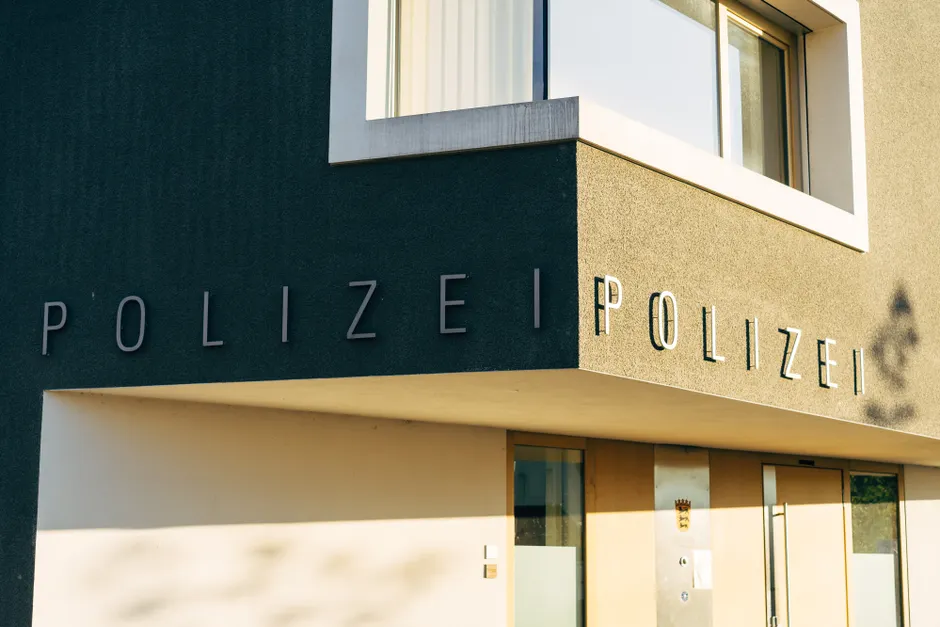
A gunman opened fire at a youth welfare facility in Stade, northern Germany, on Monday, wounding several people in what police characterized as a "family tragedy," according to ABC News Australia.
The attacker, according to Al Jazeera, was embroiled in a custody dispute over his three-month-old daughter at the time of the attack. The welfare facility — a Jugendamt in German administrative parlance — is precisely the kind of institution that adjudicates or facilitates such disputes, placing children in its care and mediating between parents and the state. That the shooting took place there, rather than at a private address, points to a confrontation with the apparatus of child protection itself.
AP News confirmed multiple people were wounded in the attack. The full casualty picture, including the condition of the injured, had not been definitively established at the time of publication.
Stade is a mid-sized district capital in Lower Saxony, situated roughly 40 kilometres west of Hamburg. It is not a city typically associated with serious gun violence. Germany's firearms regulations are among the most restrictive in Europe, requiring psychological evaluation, knowledge testing, and demonstrated need for ownership — making incidents of this kind statistically rare, though not without precedent in the context of domestic and family disputes.
The police framing of the attack as a "family tragedy" is a designation with operational and legal weight in German law enforcement. It signals that investigators do not believe the violence was ideologically motivated or posed a broader public threat — a distinction that shapes both the immediate response and the downstream prosecutorial handling. It also, implicitly, situates the attack within a pattern of extreme domestic violence that German authorities and social services have long grappled with: cases in which custody proceedings, perceived loss of parental control, or institutional intervention become the trigger for lethal force.
Child welfare offices have, in a small number of documented cases across Europe, been targeted by individuals who felt the state had acted against them in family proceedings. The Jugendamt carries particular cultural and legal salience in Germany — it holds significant statutory authority to intervene in families, remove children from parental care, and shape custody outcomes. For a parent in an acute dispute, the office can feel less like a service and more like an adversary. That emotional dynamic does not excuse violence, but it does explain why such facilities occasionally become sites of it.
The broader question for German security planners is whether facilities of this type carry adequate protective infrastructure. Unlike courts or police stations, child welfare offices are generally open, civilian-facing environments — by design accessible and low-barrier. Hardening them against the rare but recurrent risk of targeted violence by distressed individuals requires balancing institutional openness against physical security in ways that German federal states have not uniformly resolved.
As of 30 June 2026, the investigation was ongoing. The identity of the attacker, the precise sequence of events inside the facility, and the final status of the wounded had not been publicly confirmed in the verified reporting available.