Roof Collapse at Lahore Tuition Centre Kills 14 Children
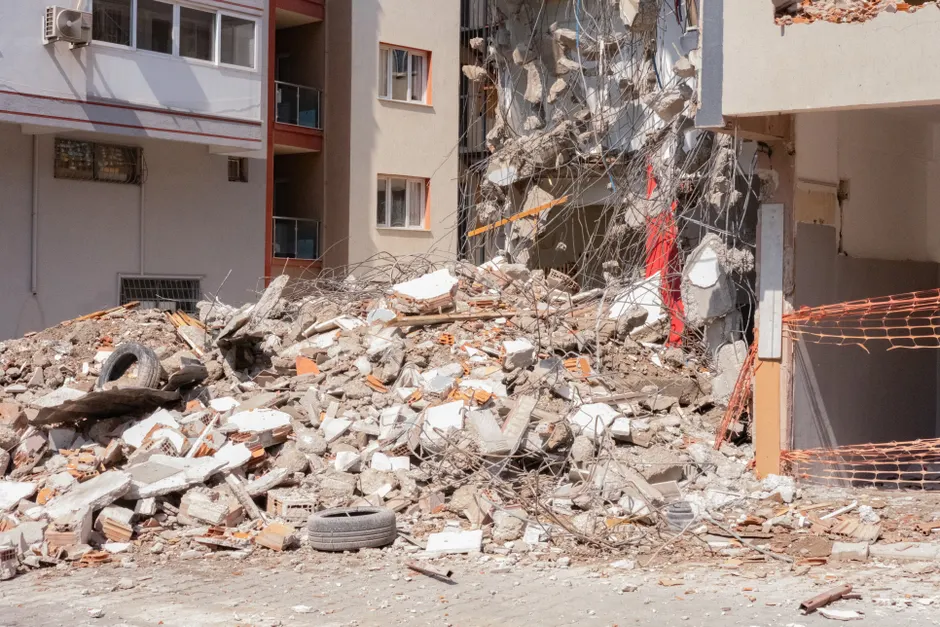
At least 14 children were killed on June 30, 2026, when the roof of a private tuition centre collapsed in Lahore's Kahna area, trapping students under rubble mid-lesson, according to AP News and The Straits Times.
The victims were aged between 4 and 12 years old. Five others — including at least one teacher — sustained injuries. Police confirmed the collapse at the Kahna-area facility, where the children had been attending classes when the structure gave way.
Pakistan's private tuition sector operates largely outside formal building-code enforcement. Informal academies and coaching centres occupy converted residential properties across the country's major cities, often with no structural inspection before or after occupancy. In Lahore — Pakistan's second-largest city and a dense urban centre of roughly 14 million — these centres serve families who rely on supplementary instruction to bridge gaps left by an underfunded public school system. The buildings themselves frequently predate modern load-bearing standards, and landlord or operator accountability for structural maintenance is weakly codified.
Structural failures at informal educational and commercial premises are a recurring pattern in Pakistan's urban landscape. The 2015 Lahore factory building collapse and repeated incidents in Karachi's garment district have drawn periodic legislative attention, but enforcement mechanisms have consistently lagged. Monsoon season — Pakistan's rains typically intensify from late June through August — places additional stress on older construction, particularly flat-roof structures where drainage failures accelerate load accumulation and material fatigue.
The death toll of 14 makes this one of the deadlier single-building collapses involving children in Punjab in recent years. Investigations of similar incidents have historically centred on three failure points: substandard construction materials, unauthorised additions or modifications to load-bearing elements, and deferred maintenance. Which factor or combination is implicated here has not yet been established in the verified reporting as of June 30.
Punjab's Chief Minister and federal officials have not yet issued formal statements in the verified record available at the time of writing. Past collapses of this profile have prompted provincial inquiries and, occasionally, FIRs — First Information Reports — filed against property owners, but prosecutions reaching conviction are rare. The political economy of informal urban construction in Pakistan, entangled with local real-estate interests and municipal revenue dependencies, has consistently blunted accountability mechanisms.
For practitioners in disaster risk, urban governance, and education policy watching Pakistan, the Kahna incident will likely renew debate around a specific regulatory gap: the absence of mandatory structural certification for privately operated educational premises below the formal school registration threshold. Tuition centres, unlike registered private schools, sit in a grey zone that provincial education departments and municipal authorities each treat as the other's remit. That jurisdictional ambiguity has proved lethal before. It has now done so again.


