MEPs Blocked from Inspecting Italy-Albania Migration Detention Centre in Gjadër
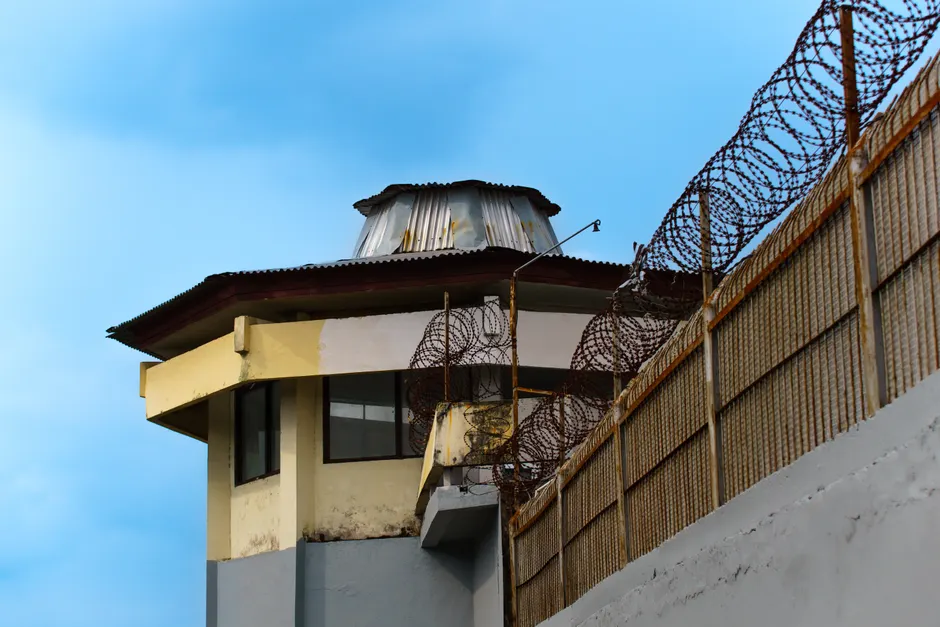
Members of the European Parliament from the Greens/EFA Group were denied a substantive inspection of the Gjadër migration detention facility in Albania on 29 June 2026. Staff at the centre blocked the delegation from accessing cells and refused to supply basic facility data — capacity figures, occupancy rates, detention conditions — that any legitimate parliamentary oversight visit would ordinarily yield.
The Gjadër facility is one of two centres built under a bilateral accord between Rome and Tirana, signed as part of the Italian government's effort to process irregular migrants intercepted in international waters before they reach Italian soil. The arrangement, which Amnesty International described in July 2024 as "a stain on the Italian government," situates migrants in facilities on Albanian territory that operate under Italian jurisdiction — a legal architecture designed to place asylum processing outside the EU's internal procedural framework while retaining nominal Italian authority.
The model has faced sustained legal scrutiny since its inception. Italian courts initially blocked transfers to the Albanian facilities, finding that the designated countries of origin listed in Rome's safe-country decree did not meet the evidentiary threshold required under EU asylum law. The Italian government responded by legislating around those rulings — reasserting executive designation of safe countries by decree — triggering a conflict between the executive and judiciary that reached the Court of Justice of the EU. That institutional friction is the backdrop against which the MEPs' visit took place.
Parliamentary inspection rights are not a courtesy. Under EU treaty frameworks and the mandate of the European Parliament's Committee on Civil Liberties, Justice and Home Affairs (LIBE), MEPs conducting oversight visits to detention facilities — whether inside or outside EU territory but funded by or linked to EU member states — carry recognized monitoring authority. Blocking access to cells and withholding operational data is not a minor procedural friction; it forecloses the evidentiary basis on which any independent assessment of conditions must rest.
The visit also intersects with a broader EU-level debate on the legal validity of extraterritorial processing schemes. The European Commission has been drafting a framework that would allow member states to designate "return hubs" outside EU borders — a concept the Gjadër model in part anticipates. Critics, including several MEF legal advisers and human rights bodies, argue such schemes create accountability gaps precisely because they sit between jurisdictions: too external for standard EU monitoring protocols, yet too connected to member-state authority to escape EU fundamental rights obligations.
What the Greens/EFA delegation encountered at Gjadër — refusal of access, no facility data — is the operational expression of that accountability gap. Whether the obstruction originated with Albanian facility management, Italian authorities overseeing the centre, or some combination is not yet established from the available record.
The political weight of this incident lies less in what was found than in what was prevented from being found. Parliamentary oversight depends on access. Without it, the legitimacy argument for offshore detention — that humane conditions can be guaranteed and monitored — cannot be tested. That is the core problem for any government seeking to scale this model across EU partners.


