Sublocade to Be Withdrawn from Australia by End of 2026, Leaving Opioid Patients Without Monthly Injection Option
Indivior is pulling Sublocade — its long-acting buprenorphine depot injection for opioid dependence — from the Australian market by the end of 2026, according to reporting from The Guardian published on 1 July 2026.
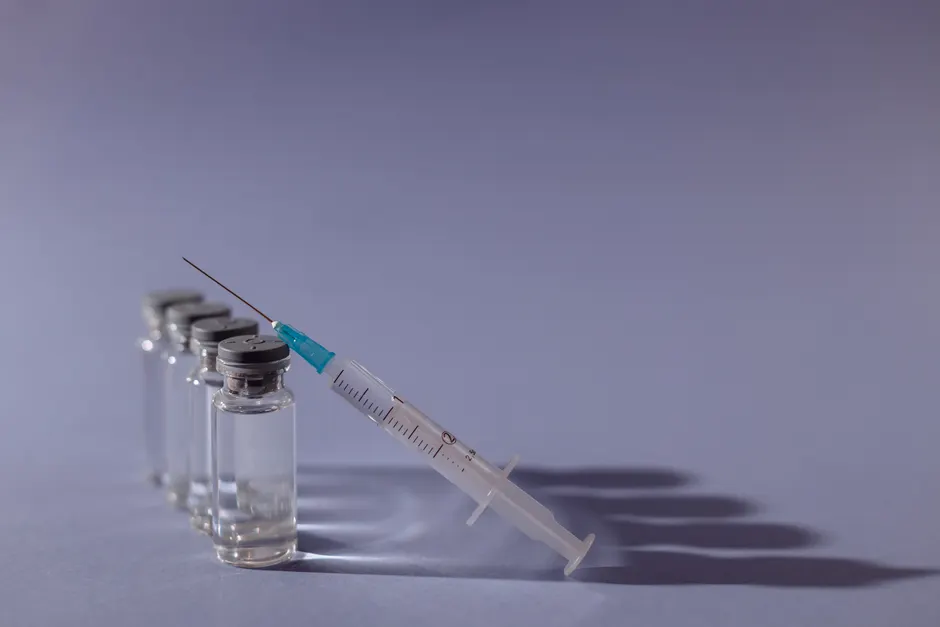
Sublocade delivers buprenorphine 100 mg/0.5 mL as a subcutaneous monthly injection, and is currently listed on the Australian Pharmaceutical Benefits Scheme as a Section 100 Highly Specialised Drug at a PBS-listed cost of $379.54. That classification restricts dispensing to approved hospital outpatient pharmacies and community pharmacies contracted to supply highly specialised medicines — a supply architecture that limits access to begin with, and one that will now cease entirely.
The withdrawal ends a presence Indivior had been building in Australia since late 2019, when Sublocade launched here alongside rollouts in Canada and Europe. The drug was designed specifically to address adherence failures inherent in sublingual buprenorphine regimens: a once-monthly injection eliminates the daily dosing burden and, critically, removes the diversion risk attached to take-home tablet formulations. For patients in structured opioid agonist therapy, that distinction matters clinically. As detailed by Medicine Today, long-acting depot buprenorphine represented a shift away from the supervision requirements and daily attendance that make sublingual treatment operationally difficult for many patients.
The Commercial and Corporate Context
Indivior's Australian exit cannot be read in isolation from the company's broader trajectory. The UK-listed drugmaker has been under sustained financial and legal pressure for years. In September 2020, the company announced plans for up to $70 million in cost savings through job cuts and supply chain restructuring — a programme that signalled how severely the prior years of generic litigation, Department of Justice exposure in the United States, and revenue attrition had compressed its operating position.
The corporate instability extended into the boardroom. Finance chief Ryan Preblick stepped down as a director in December 2024, part of a broader board restructuring that added to uncertainty about the company's strategic direction in non-US markets.
Sublocade was always positioned as Indivior's long-term growth vehicle — the asset intended to offset patent erosion on its oral Suboxone film franchise. The company once described it as a potential billion-dollar product. That thesis depended on capturing markets in Australia, Canada, and Europe at scale. A decision to exit Australia by year-end suggests the commercial return in this market fell well short of what the company needed to justify continued investment, even accounting for the PBS subsidy that had been in place.
What This Means for Patients and Prescribers
The practical fallout is immediate for a patient cohort that has few equivalent alternatives. Sublingual buprenorphine-naloxone remains available, as does methadone through opioid treatment programmes. But neither replicates the pharmacokinetic and adherence profile of a monthly depot. Patients who have stabilised on Sublocade — particularly those with histories of poor adherence on daily dosing, or for whom supervised consumption is logistically untenable — face a forced transition that carries real clinical risk in the interval.
Brixia's Buvidal (weekly and monthly subcutaneous buprenorphine) is also PBS-listed in Australia and provides a partial clinical substitute, though formulary equivalence is not the same as therapeutic interchangeability for every patient. Clinicians will need to manage transitions on a case-by-case basis, and opioid treatment services will need to plan for the stock drawdown timeline Indivior sets.
The withdrawal also raises a structural question about the viability of the Section 100 Highly Specialised Drugs pathway for niche addiction pharmacotherapies. Sublocade's PBS listing secured access in principle; Indivior's exit demonstrates that commercial sustainability for a manufacturer can unravel independent of the regulatory framework. When a product has a narrow patient population, limited price headroom under PBS negotiations, and a manufacturer under financial duress, market withdrawal is always a latent risk — and Australia's addiction medicine sector now has a concrete recent example to factor into treatment planning and advocacy for supply security mechanisms.