Labour MPs and Fabian Society Push to Make Water Companies Fund Britain's Lidos
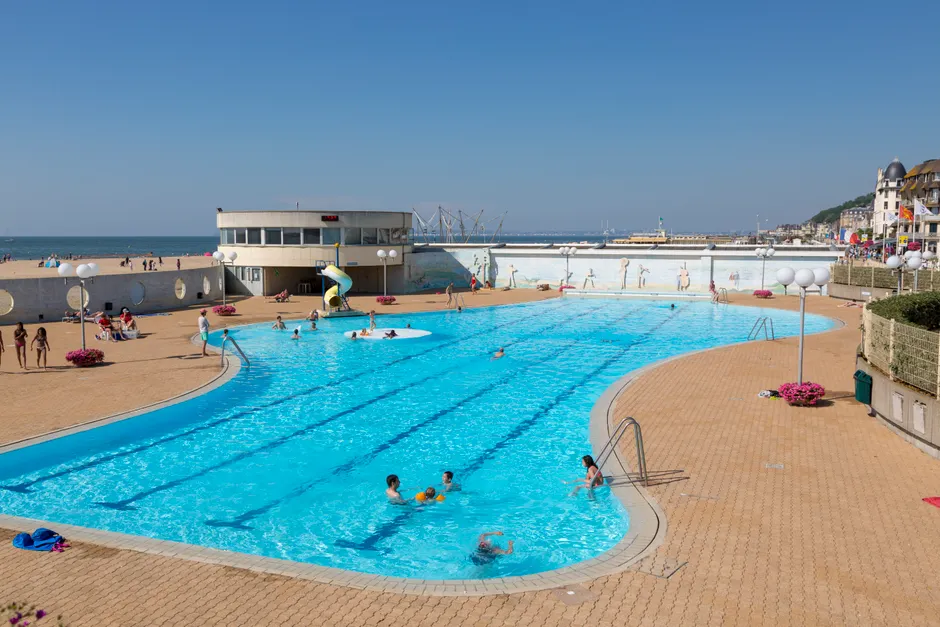
Twenty Labour MPs and the Fabian Society are calling on the government to use the forthcoming water bill to compel water companies to finance, design, and deliver new or restored lidos across England, in a joint campaign launched on 4 July 2026.
The parliamentary group was organised by Andrew Pakes, MP for Peterborough since 2024, who assembled colleagues with derelict or endangered lidos in their own constituencies. The campaign coincides with the publication of "The People's Pools: A Labour Plan to Build Lidos", a Fabian Society report authored by Greg Rosen, which sets out the legislative architecture the MPs want to see enacted.
What the Report Proposes
The Rosen report asks Andy Burnham — as the minister responsible for the water sector — to embed two obligations in the water bill. The first is a statutory duty for water companies to "promote and facilitate public access to safe outdoor swimming" in their respective regions. The second goes further: legislation requiring water companies to cooperate with local authorities to guarantee a minimum provision of lidos per population or geographic area, covering new builds, refurbishments, and swimming lakes.
That framing is deliberate. Water companies are already in the political crosshairs over sewage discharges, and local environmental and swimming groups have long linked those discharges to the erosion of safe outdoor swimming access. The Fabian proposal effectively redirects corporate liability — instead of penalties alone, the bill would require companies to build back the infrastructure that pollution has made unsafe or unusable. Manchester is already constructing a new lido as the report goes to press, cited as a case study alongside support from Manchester city council leader Bev Craig.
The Scale of Decline
The numerical context is stark. Britain counted more than 300 lidos in the 1930s. By the end of the 1980s, nearly two-thirds were derelict or demolished; only around a third remained open by 1990, according to The Guardian. The post-war contraction reflected municipal austerity, competition from cheap package holidays, and the indoor leisure-centre boom of the 1970s — a combination that stripped out a piece of public infrastructure almost without public debate.
What survived often did so through community mobilisation rather than institutional support. Tooting Bec lido, the UK's largest freshwater outdoor pool, was rescued from closure in the 1990s by the South London Swimming Club. Peterborough's lido — which turns 90 this year — came within reach of shutdown just two years ago; on the late-May bank holiday Monday, Pakes says 1,500 people used it in a single day.
The cross-party resonance is worth noting. Former Conservative cabinet minister Penny Mordaunt spent years campaigning for the Hillsea lido in Portsmouth, at one point appearing in a swimming costume on ITV's Splash to raise funds. Hillsea opened to the public in 2026. That trajectory — decades of advocacy, a media moment, eventual reopening — is precisely the slow, patchwork dynamic the Fabian proposal is designed to replace with a systemic obligation.
What This Means for the Water Bill
The water bill arrives at a moment when the government is already committed to reforming the water sector following years of regulatory failure, dividend extraction, and infrastructure neglect. Adding a lidos duty to that legislation would be a relatively low-cost policy signal with high local visibility — the kind of attachment that attracts backbench support without requiring primary budget commitments.
The harder question is enforcement. A minimum-provision standard linked to population and area is straightforward to legislate but complex to operationalise: which regulator monitors compliance, what constitutes a qualifying facility, and how does the obligation interact with existing Ofwat price controls on capital expenditure? The report calls for water company cooperation with local authorities, but cooperation mandates without clear penalties tend to degrade into consultation processes.
Twenty MPs constitute a vocal bloc but not yet a majority of the parliamentary Labour Party. The test will be whether Burnham incorporates the proposal into the bill's drafting, or whether it enters via amendment — a harder route that would require sustained cross-bench pressure. Either way, the Fabian Society has given the campaign the policy scaffolding it needs to move from constituency advocacy to legislative agenda.