Durban July 2026: 'Country Allure' Puts African Fashion Design at Centre Stage
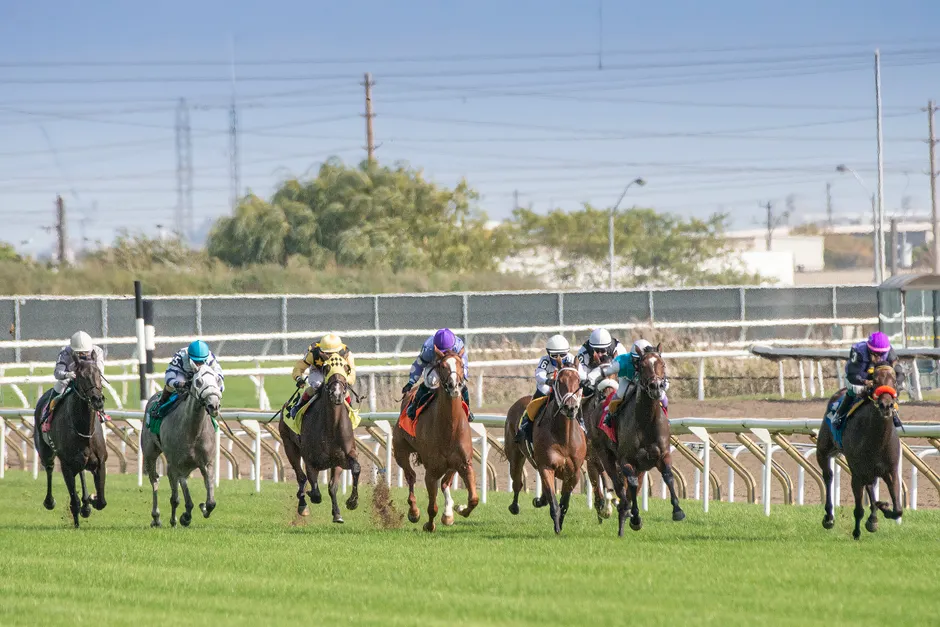
More than 140 fashion design students from 10 colleges entered the emerging talent competition at the 2026 Hollywoodbets Durban July, held at Greyville Racecourse in Durban on July 4, 2026 — the largest cohort the competition has attracted in recent memory, according to Hollywoodbets Durban July organisers.
The year's theme, 'Country Allure', framed the brief around the interplay between rural landscapes and equestrian culture — a conceptual space that gave designers room to work between heritage craft traditions and contemporary silhouette. Twenty-five semi-finalists were selected after a first judging round held on June 4, 2026, with those shortlisted going on to present at the race day itself.
On the day, the Race Day Fashion Awards registration opened at 11h30, with gates having welcomed the public from 09h00 and hospitality spaces from 10h00. The fashion runway and trackside styling that followed drew designers, professional models, and independent fashion enthusiasts alike, all using the occasion as a platform to stage African style and elegance for a national and international audience, as TimesLIVE reported.
The aesthetic signature of the 2026 edition leaned heavily into sculptural fascinators and modern country couture — a pairing that read less as costume and more as a coherent design language built for the track. IOL's coverage noted that 'Country Allure' fashion stole the spotlight across the day, with editorial attention drawn as much to the stands as to the racing itself.
The Durban July's fashion dimension has long operated on a logic distinct from most global race days. Where Royal Ascot codifies dress rules top-down, and the Kentucky Derby runs on regional tradition, Durban has built a bottom-up culture in which the creative competition is genuinely open — structured enough to draw institutional entrants from design colleges, loose enough to reward individual risk-taking from the trackside crowd. The student competition, drawing from 10 separate institutions, reflects that architecture: it functions as a pipeline between design education and industry exposure, with the race day providing stakes that classroom crits cannot replicate.
For the 10 colleges whose students entered this year, the competition delivers something curricula rarely can — a hard deadline, a public judging panel, and direct contact with South Africa's fashion press and buying community. With over 140 entrants compressed to 25 semi-finalists through a single judging round, the selection ratio was competitive enough to carry professional weight.
The broader trajectory here is worth noting. South Africa's fashion industry has been navigating structural pressures — import competition, constrained retail spending, and the slow rebuild of domestic manufacturing capacity — for the better part of a decade. Events like the Durban July, which channel genuine commercial and media attention toward local design talent, carry economic utility beyond spectacle. Whether the emerging-talent pipeline translates into sustained careers depends on factors well outside any single race day, but the platform itself is substantive.
The 2026 edition's 'Country Allure' theme also positioned the event in a broader cultural conversation about African identity and landscape — one that South African designers have been working through across multiple disciplines. Equestrian culture, as an aesthetic reference, sits at a specific intersection: it carries colonial-era associations in the South African context while simultaneously belonging to deep strands of rural African life. How student and professional designers navigated that tension, and which interpretations the judges rewarded, will likely shape how the theme is discussed in design circles through the rest of the year.