UK Tightens Political Donation Rules as Farage Faces Second Standards Probe
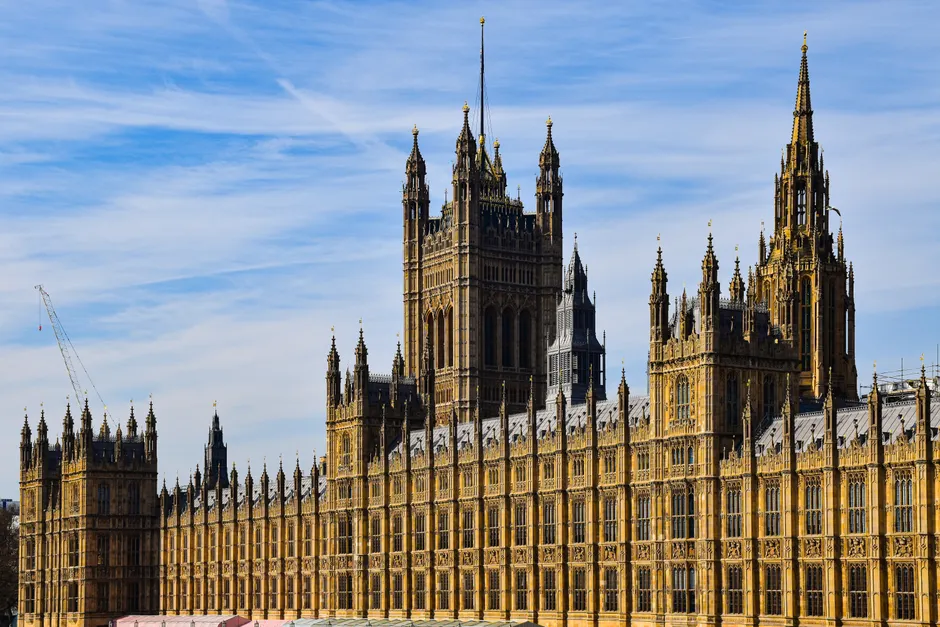
UK ministers launched a sweeping overhaul of political funding rules on 7 July 2026, capping donations from recently arrived overseas nationals, tightening corporate donor checks, and — for the first time — requiring candidates to disclose contributions received before they stand for election. The package arrives as Nigel Farage, leader of Reform UK, faces a second potential investigation by the parliamentary standards commissioner, this time over undisclosed benefits from George Cottrell, a political aide with a US wire fraud conviction on his record.
Communities Secretary Steve Reed framed the reforms in blunt terms: "British democracy is not for sale." The measures will be introduced as amendments to the Representation of the People Bill later in July 2026, the government confirmed.
What the New Rules Actually Do
The centrepiece restriction targets foreign-based money flowing into domestic politics. Anyone who moves to the UK from abroad will be subject to a £100,000 cap on political donations for one year after registering to vote — closing a gap that critics have long argued allowed large sums to enter the system before donors had any meaningful roots in the country.
On the corporate side, the government will require new checks assessing companies' profit and revenues before their donations can be accepted as legitimate. The intent is to prevent shell or undercapitalised entities from routing money to parties or candidates.
The pre-candidacy disclosure requirement is the most structurally novel element. Currently, elected MPs must declare donations above £500 for up to one year before they took their seat; unsuccessful candidates face no equivalent obligation. The new rules will require all candidates to register donations above £2,230 covering the period immediately before candidacy — though personal gifts remain exempt, a carve-out that is already generating scrutiny.
The government described the package as reinforcing a "zero-tolerance approach to foreign interference in UK democracy," echoing language used in a February 2026 announcement. The reforms track closely with recommendations made in the Rycroft Review, which in March 2026 urged a cap on overseas political donations and a pause on cryptocurrency contributions. The Electoral Commission has itself recommended several of the political finance reforms now contained in Part 4 of the Representation of the People Bill since as far back as 2013.
The Farage Dimension
The timing is not incidental. The reforms land as the parliamentary standards commissioner Daniel Greenberg is already investigating a £5 million donation to Farage from crypto billionaire Christopher Harborne, a sum Farage described in May 2026 as a "reward" for Brexit. Now a second investigation is a possibility, following a Sunday Times report that Farage accepted previously undisclosed benefits from George Cottrell — staff for his social media operation, security provision, and use of a mansion near Buckingham Palace.
Farage did register two Cottrell-funded items via the standard MPs' interests framework: a £9,253 trip to Belgium in April 2024 and a £15,276 domestic flight in the United States in December 2024. The question now is whether the broader provision of staff and accommodation should also have been declared, and whether Reform UK's characterisation of those arrangements as "personal gifts" to Farage — rather than regulated donations — holds up under parliamentary rules.
Cottrell's background adds another layer of complexity. In 2016 he was charged with 21 offences related to an alleged dark money laundering scheme; he ultimately pleaded guilty to wire fraud and served a prison sentence in Arizona. He is now seeking a pardon from Donald Trump.
Reform UK's fundraising position makes the scrutiny politically consequential beyond the Farage story alone. The party had raised more money than its main rivals for three consecutive quarters as of June 2026, with cryptocurrency investors playing a significant role. The Rycroft Review's recommendation to pause crypto donations was, in that context, aimed squarely at the party's revenue model — a point Labour's critics were quick to note when the review was published in March.
The personal-gift exemption that Reform UK is invoking is a genuine ambiguity in the current framework, not a fabricated defence. Parliamentary rules draw a distinction between regulated donations — which trigger disclosure and source-of-funds requirements — and personal gifts between individuals, which do not. Where Cottrell's provision of staff, security, and accommodation falls on that line will be for the standards commissioner to determine. The new pre-candidacy disclosure rules, once enacted, would tighten precisely this kind of grey area for future candidates, though they would apply prospectively, not retrospectively.
The broader political finance landscape these reforms address is substantial. UK parties collectively reported accepting more than £15.4 million in donations and public funds in Q4 2025 alone, per the Electoral Commission. The scale of money now circulating through the system — and the speed with which cryptocurrency and other novel instruments have entered it — has outpaced the regulatory framework that was built for a different era.


