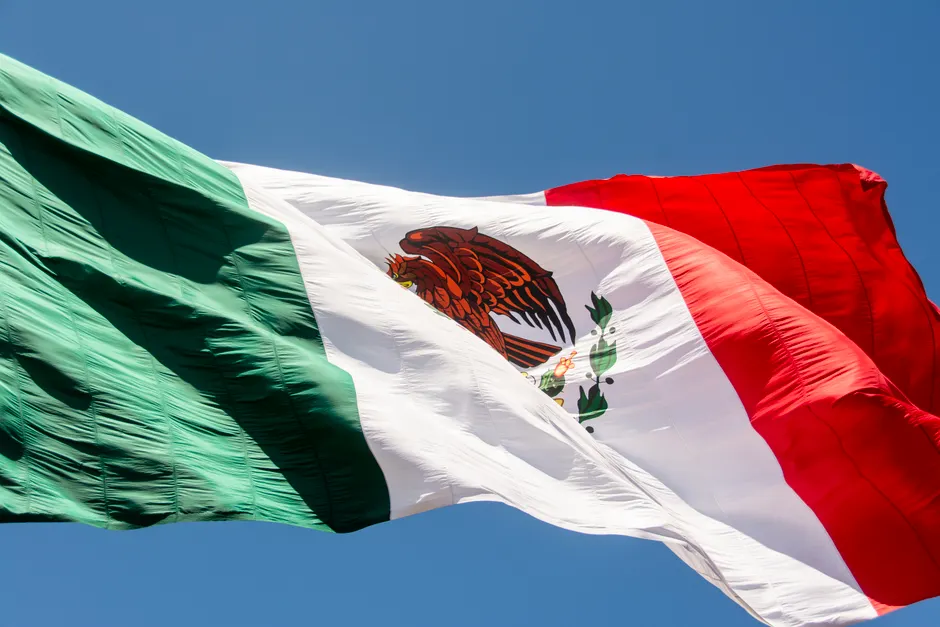
Four Dead in Mexico City as World Cup Celebrations Turn Fatal

Four people died during World Cup celebrations in Mexico City on July 1, 2026, after crowds surged following Mexico's round-of-16 victory over Ecuador, according to The New York Times. Authorities confirmed that three of the victims — a man and two women — died from asphyxiation, consistent with fatal compression in a densely packed crowd. A fourth death was reported; circumstances were not fully detailed in available sourcing.
The match against Ecuador was Mexico's first knockout-stage fixture of the 2026 FIFA World Cup, hosted jointly by Canada, Mexico, and the United States — the 23rd edition of the tournament and the first to expand to 48 teams. Mexico had topped Group A after defeating South Africa 2–0 in its opening group-stage match, and the run to the last 16 had already produced successive waves of mass street gatherings in the capital.
A Tournament That Kept Filling the Streets
The pattern was established early. When Mexico beat South Korea in the group stage, Reuters reported that the victory triggered massive street celebrations across Mexico City, with fans in green Tri jerseys and Lucha Libre costumes flooding public spaces. City authorities responded by moving to restrict street drinking — a signal that crowd management was already straining against the scale of the public response weeks before the knockout rounds began.
The broader arc stretches back to tournament kickoff. Mexico City served as the host for the 2026 World Cup's opening ceremonies at Estadio Azteca, making it the first venue to host three FIFA World Cup opening matches. The opening drew fans in Mariachi costumes — sombreros, trumpets, seas of dark green — alongside performances by Shakira and Burna Boy. It also drew protesters. Reuters documented both the street parties and the demonstrations that accompanied the June 11 opener, underscoring how politically charged the tournament's arrival in Mexico City had become from the outset.
By the time Mexico advanced past Ecuador, the New York Times reported that Mexico's World Cup run had drawn hundreds of thousands into the streets across successive celebration nights. Mexico City is one of several Mexican host cities — Monterrey is another — but the capital absorbed by far the largest concentrations of celebrants.
Crowd Crush and Its Precedents
Asphyxiation deaths in celebratory crowds follow the same mechanics as those in disaster scenarios: crowd density reaches a point where the compressive force on the chest prevents breathing, independent of any physical trauma. Victims can die standing upright. The conditions — euphoric crowd, nighttime, confined urban corridors — are consistent with documented crowd-crush events at major sporting and entertainment gatherings globally.
What distinguishes the Mexico City deaths from prior World Cup crowd incidents is context. The city had already attempted to tighten crowd controls after the South Korea celebrations in June. That the July 1 surge still proved fatal raises questions about whether those measures were sufficient, scaled correctly, or enforced uniformly across the zones where crowds condensed.
Mexico City's role as the tournament's symbolic epicenter — five games hosted, Estadio Azteca as the ceremonial anchor, the country's most populous urban area — meant that each Mexican victory carried amplified crowd pressure. Knockout-stage victories produce sharper, more sudden surges than group-stage results; the emotional stakes are higher, the timing is compressed, and crowds often self-organize without waiting for designated fan zones.
The deaths will likely prompt review of crowd management protocols for any remaining Mexico matches, as well as scrutiny of how host city authorities coordinate between FIFA venue operations and the street-level gatherings that occur miles from any stadium. FIFA and local authorities have not yet made joint public statements on the incident based on available sourcing as of the article's publication.
Mexico's tournament continues. The deaths do not.