Microsoft Cuts 4,800 Jobs in Single Day as Xbox Overhaul Spills Into Commercial Division

Microsoft eliminated 4,800 positions on July 6, 2026 — 2.1% of its global workforce — in a single-day action that combined a long-signalled Xbox restructuring with a separate, largely unexpected round of Commercial Business cuts. Engadget
The Xbox Reckoning
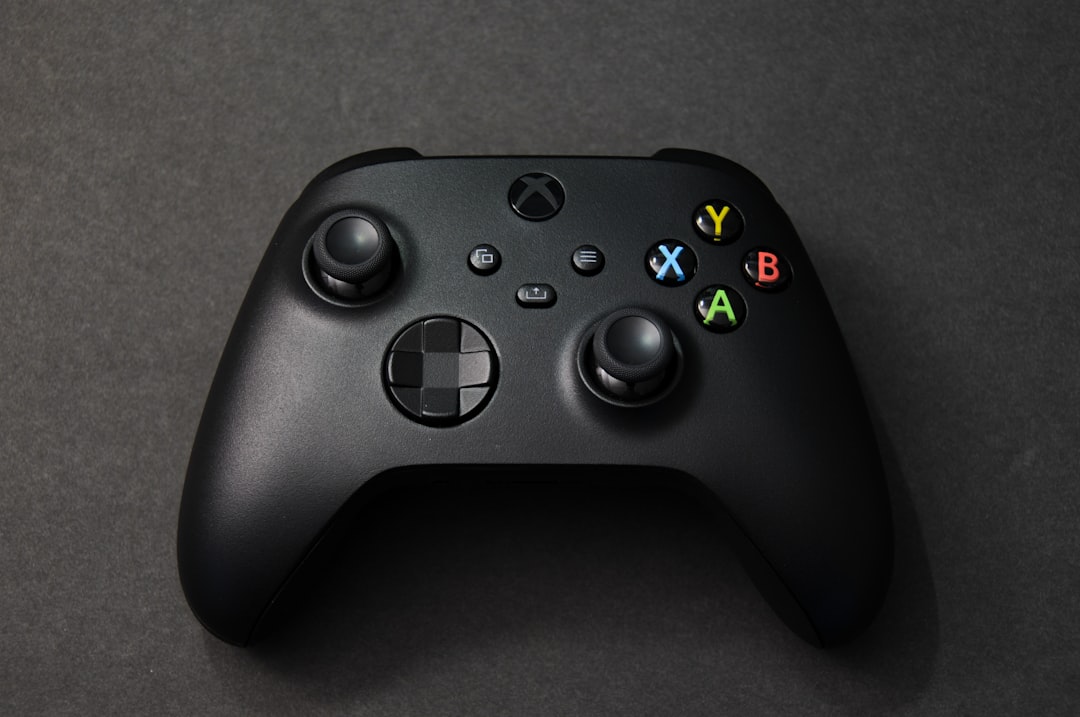
The gaming side of the equation had been telegraphed. Xbox CEO Asha Sharma and COO Matt Booty sent internal staff a memo on June 10, 2026, acknowledging that the division had over-extended itself through a decade of studio acquisitions and was losing money, compounded by weak current-generation hardware sales. On July 6, Sharma published a formal blog post on Xbox's website detailing the consequences. Xbox News
The immediate toll: 1,600 Xbox employees let go on July 6, with a further 1,600 to follow before the end of FY27 — a total of 3,200 gaming-division roles eliminated, NBC News stripping roughly one-fifth of Xbox's headcount. CNBC
The studio restructuring is substantial. Microsoft is spinning off four first-party studios — Compulsion Games, Double Fine, Ninja Theory, and Undead Labs — and is weighing a potential closure of a fifth, Arkane. These are not peripheral labels; they include studios that shipped critically regarded titles under the Xbox Game Studios banner. Spinning them out rather than closing them outright suggests Microsoft wants to shed the fixed-cost burden of owning them while keeping some optionality — licensing, revenue share, publishing deals — rather than simply writing them off.
Communications Workers of America members within Xbox had urged Microsoft to negotiate in good faith on job security roughly one week before the cuts landed. The public appeal did not alter the timeline or scope.
The Commercial Business Surprise
The Xbox restructuring, however, was not the full story of July 6. An additional 3,200 cuts — described by Engadget as unexpected — targeted divisions outside gaming, with the Commercial Business segment bearing the brunt. Amy Coleman, Microsoft's EVP and Chief People Officer, announced these reductions in a separate Microsoft corporate blog post. Microsoft Blog
Coleman's framing is worth examining closely. She stated that the eliminated roles are not being replaced by AI — a hedge against a narrative that would be politically and reputationally costly — while simultaneously noting that AI has the potential to displace jobs in the near future. That is a careful distinction, and a consequential one for how Microsoft's workforce planning is read externally. The company is not yet attributing headcount reduction directly to automation, but it is not ruling it out going forward either.
Approximately 600 of the July 6 positions were in Washington state, home to Microsoft's Redmond headquarters. GeekWire
Scale and Pattern
This is not a one-off event in Microsoft's recent history. The company cut 9,000 people across its divisions in July 2025, including hundreds from Xbox. Before that, 1,900 Xbox employees were let go in early 2024. The July 2026 action is the third significant reduction in roughly 30 months, and the cumulative effect on Xbox specifically is severe: three separate rounds of cuts, now culminating in the loss of approximately 20% of the division's remaining workforce and the divestiture of multiple studios.
The pattern across all three rounds points to a company methodically reducing fixed-cost structures — headcount, owned studios, legacy sales roles — while directing capital toward AI infrastructure and cloud capacity. Microsoft has been one of the largest enterprise spenders on GPU compute and AI services buildout; leaning out the commercial sales force while that infrastructure investment scales is internally consistent, even if the optics of simultaneous growth spending and job cuts are uncomfortable.
Worth flagging: the Commercial Business cuts landing without prior signal on the same day as the anticipated Xbox announcement concentrates the reputational exposure into a single news cycle rather than spreading it. Whether that was deliberate pacing or a consequence of internal coordination is not clear from public statements.
The net result for the industry is a Microsoft that is structurally narrower in gaming ownership and leaner in commercial field roles, while betting that AI-assisted sales and cloud services can more than recover lost productivity. That bet's outcome is not visible in these numbers — but the direction of the wager is.