Bookshop.org Confirms Kobo E-Reader Integration Back on Track for 2026
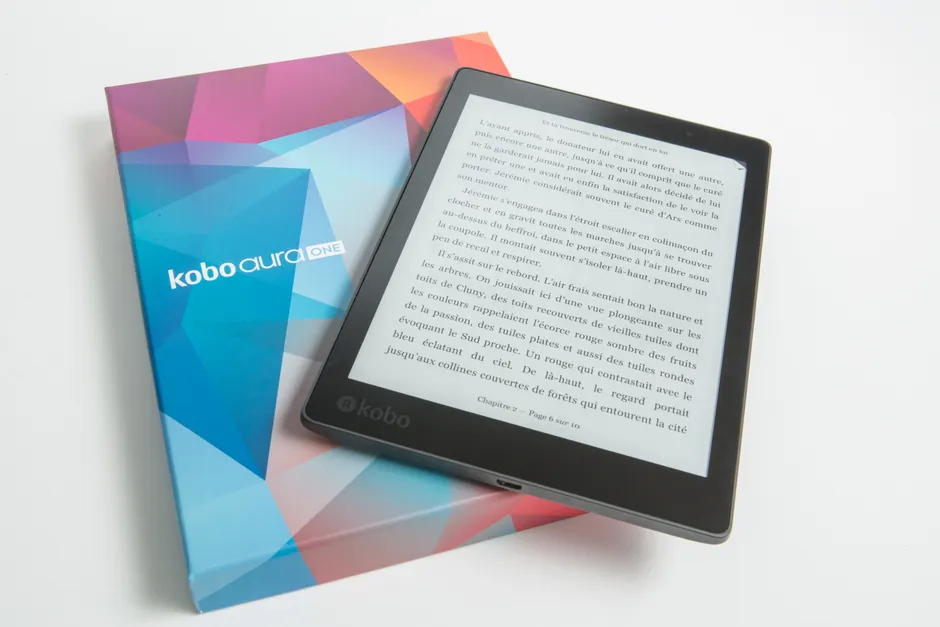
Bookshop.org has settled business terms with Kobo and expects to launch e-reader support later in 2026, CEO Andy Hunter told TechCrunch via email on July 6, 2026 — reviving a commitment that had slipped from a 2025 target, then a 2026 target, and at one point appeared headed for an indefinite hold.
Hunter was direct about what caused the delays: business-side negotiations with Kobo took longer than anticipated, and engineering work remains to satisfy publisher requirements around DRM. He said Bookshop.org is "confident the collaboration is going to happen" but stopped short of committing to a specific launch date, tying that milestone to how far along the technical implementation gets.
The timing of the disclosure is worth noting. TechCrunch observed that Bookshop.org's support article on Kobo compatibility — article 65000189169 — reads "We are working with Kobo to support Kobo devices in the future," while the main ebooks landing page at bookshop.org/info/ebooks simultaneously states "later this year." More telling: before TechCrunch made contact, the landing page had already been walked back from "2026" to "sometime in the future." It reverted to "later this year" after the reporter reached out. Hunter's statement to TechCrunch was not drawn from a press release or company blog post — the outlet characterized it as an exclusive email response.
The DRM angle is the more substantive technical constraint here. Distributing ebooks to a hardware ecosystem like Kobo's requires integration with Adobe Digital Editions or a comparable content-protection layer that publishers mandate before licensing titles for sideload or direct delivery to a non-Amazon device. Getting that pipeline right is not trivial — it involves not just Kobo's firmware APIs but per-publisher licensing sign-offs, which partly explains why business negotiations and engineering work are still running in parallel rather than sequentially.
Bookshop.org is a mission-driven retailer structured to route a share of every sale back to independent bookstores. Its ebook ambitions have always sat in awkward tension with that identity: digital distribution strips out the physical bookseller from the transaction, and the company has had to construct a revenue-sharing model that preserves some benefit for its indie partners even when there is no shelf involved. That structural complexity likely added negotiating surface area with Kobo beyond what a conventional ebook retailer would face.
The broader competitive context is straightforward. Amazon's Kindle ecosystem holds a dominant position in English-language e-reading, and Kobo — owned by Rakuten — is the most credible hardware alternative with meaningful share outside North America and particularly in Canada and Europe. Bookshop.org positioning itself as the purchase channel for Kobo users gives the platform a tangible answer to readers who want to buy outside Amazon's walled garden but still read on dedicated e-ink hardware rather than a phone or tablet.
That positioning has some commercial runway behind it. Good e-Reader reported in April 2026 that Bookshop.org's overall sales grew 55% in 2025 — a figure that suggests the platform's anti-Amazon framing is resonating with buyers, not just sympathizers.
The question the settled business terms do not yet answer is delivery architecture: will Bookshop.org push purchased titles directly to Kobo devices over Wi-Fi, require users to sideload via desktop, or hand off through Kobo's own cloud? That choice has real UX consequences, and until the engineering work Hunter referenced reaches a stage where the company is comfortable committing to a date, it remains open. Readers and booksellers who have watched this integration slip twice will reasonably want a shipping date before updating their expectations. Hunter's email, for now, is a qualified commitment rather than a product announcement.


