Harry Arrives in London Without Meghan or Children as Security Dispute and Palace Accommodation Row Complicate July Visit

Prince Harry is due to arrive in the UK on July 7, 2026, without Meghan Markle, Archie, or Lilibet — a significant departure from plans announced only weeks earlier that had envisioned the children's first British visit in more than four years.
The reversal unfolded in stages. In mid-June, The Telegraph reported that the family intended to travel together, with the children attending an Invictus-related event. By July 4, both Page Six and People were reporting that Meghan and the children might not make the trip. By July 6, AP News confirmed the visit was "clouded by a security issue" — the central factor blocking the family's joint attendance.
The security question is not new. Since the Sussexes stepped back from royal duties in 2020, Harry has pursued litigation in the UK courts over his loss of Metropolitan Police protection, a matter that remains unresolved. Without guaranteed state security, Meghan and the children's presence in Britain carries different practical risk calculus than it does for Harry alone, who has private arrangements in place. AP News framed the security issue as the explicit cloud over the children's arrival — suggesting the dispute remains live enough to alter family logistics on short notice.
The Accommodation Dispute
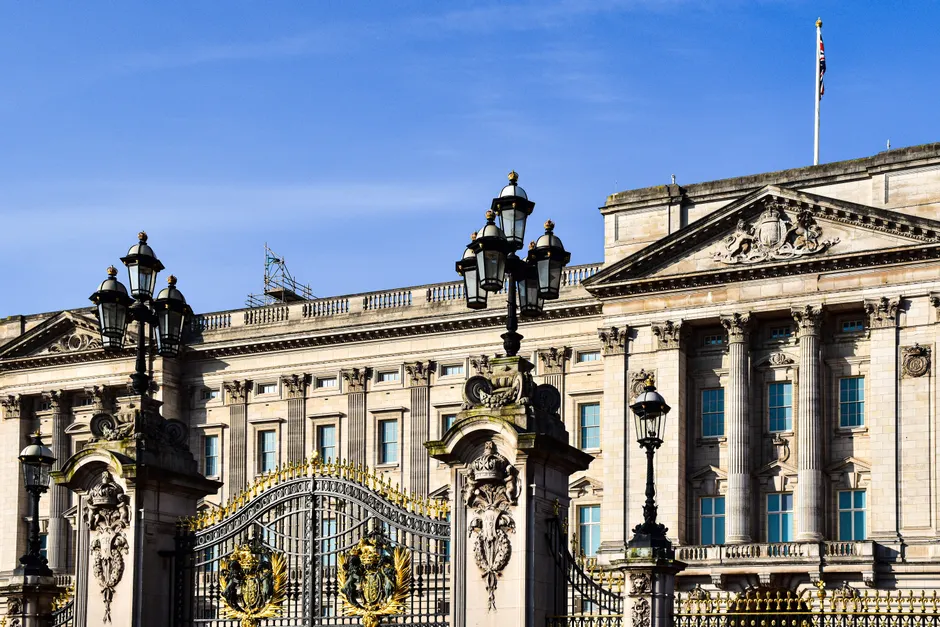
A separate row over where Harry would stay has added another layer of friction. GB News reported exclusively on July 6 that Harry had accepted an invitation to stay at Buckingham Palace, framing it as a reconciliatory gesture. The Telegraph, however, reported the same day that Buckingham Palace told Harry he could not stay there and that he reverted to private accommodation — a direct contradiction of the GB News account.
Given the sourcing gap, the Telegraph's version carries more weight. The Palace has not publicly commented, and the divergence between the two accounts is stark enough that one of them is materially wrong. What is not in dispute: Harry will be in London. Where he sleeps is a secondary but symbolically loaded detail in a saga where gestures of inclusion or exclusion carry outsized political freight within the family.
Engagements and the Broader Visit
Harry's schedule runs July 7–11 and includes a charity festival for bereaved children alongside other engagements. Meghan had separately been scheduled — per a June 26 Telegraph report — to visit a hospital in what would have been her first UK public engagement in six years. Whether that appearance survives the revised travel arrangements is unclear from the available information.
The family dimension carries its own weight. The Telegraph reported that Harry had a 45-minute reunion with King Charles III at Clarence House following the King's cancer diagnosis — a brief but notable contact that precedes this visit. The Court Circular for July 2026 references the Duke of Sussex alongside entries placing the King and Queen at the Palace of Holyroodhouse on July 1, though the specific nature of that reference is not detailed in publicly available records.
The pattern here is one of incremental, often disrupted engagement rather than clean reconciliation. Plans announced with optimism weeks out tend to contract as the visit approaches — shaped by the unresolved structural issues, particularly security, that have defined the Sussex situation since 2020. Archie and Lilibet have not been to the UK in more than four years; the conditions that would bring them back remain contingent on legal and institutional questions the Palace has not moved to resolve.
Harry's July visit will be watched closely by those tracking the trajectory of his relationship with the institution — but the story on the ground this week is narrower: one member of the family making a working trip, the others staying home, and the reasons why still pointing to the same impasse that has shaped every chapter of this since Sandringham.