Khamenei's Body Moves Through Iran and Iraq in Delayed State Funeral
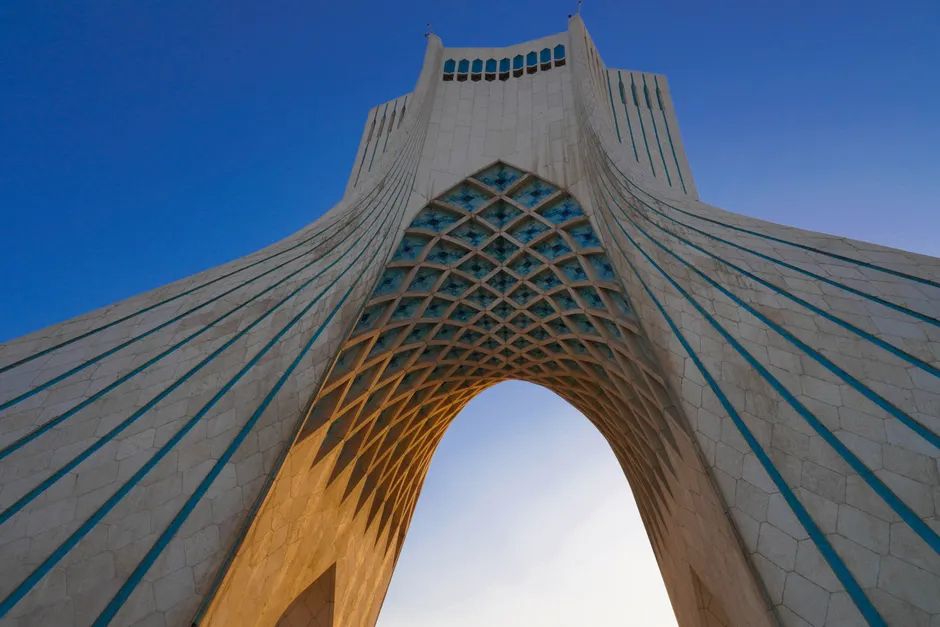
Hundreds of thousands of mourners lined Tehran's Azadi Square on Monday, July 6, 2026, as the coffin of Ayatollah Ali Khamenei was paraded through the capital on a mobile stage truck, the largest single gathering in a multi-city funeral procession more than four months in the making NYT Live. Khamenei, who led Iran as Supreme Leader for 37 years, was killed in an airstrike in February 2026 Reuters. His body has been preserved since his death on February 28 New York Times, and the burial itself was pushed back by months of wartime disruption before authorities settled on a final schedule Kurdistan24.
The Tehran leg unfolded as a three-day observance running July 4 through July 6 CNBC. Public farewell ceremonies opened on July 4 at the Imam Khomeini Grand Mosalla IRNA, with the Iranian Army assisting the institutions responsible for logistics. Lying-in-state and funeral prayers were held at the same Grand Mosalla complex on July 6 Press TV. By the time the coffin reached Azadi Square, it had passed through days of what the New York Times described as a continuous human tide flowing through Tehran's streets New York Times. The procession also carried the remains of family members who died alongside Khamenei in the strike that killed him IRNA.
Week-long memorial ceremonies had begun in Tehran on Friday, July 3, drawing senior officials from dozens of countries IRNA. New York Times correspondents were among the foreign press granted access, reporting from Tehran under the supervision of the Iranian government NYT Video — a condition that shaped what could be independently verified about crowd size and public sentiment.
The itinerary extends well beyond the capital. The full procession was planned to visit at least five cities across Iran before crossing into Iraq New York Times. CNBC's route schedule placed the cortege in Qom on July 7, then in Najaf and Karbala on July 8 CNBC. Burial is scheduled for Thursday, July 9, at the shrine of Imam Reza in Mashhad IRNA.
Iraq's leg of the funeral carries its own logistical scale. Preparation committees in Najaf finalized a six-kilometer route for the procession, while Karbala's route stretches 5.8 kilometers Press TV. Iraqi authorities stationed 150 ambulances across the two cities for the events. Hashd al-Sha'abi, the Iran-aligned Iraqi paramilitary umbrella group, urged Iraqis to turn out en masse for the ceremonies Press TV. Iranian President Masoud Pezeshkian is scheduled to attend the Iraq portion of the funeral in person Press TV, a detail that signals Tehran's intent to project continuity of state leadership across the border into Shia Iraq's holiest cities.
The choreography here is deliberate and unusually elaborate even by the standards of state funerals in the region. Routing the cortege through Najaf and Karbala before final burial in Mashhad ties Khamenei's death to the broader geography of Shia religious authority that stretches across the Iran-Iraq frontier, reinforcing a transnational dimension to his legacy that a Tehran-only ceremony would not have conveyed. The scale of ambulance deployment and route planning in Iraq also reflects lessons drawn from past mass-gathering disasters at Shia pilgrimage events, where crowd crush has proven lethal.
The four-month gap between Khamenei's death and his burial is itself notable. Bodies in Shia funerary practice are customarily buried within days, and the preservation of Khamenei's remains since February points to how thoroughly the war disrupted normal state functions in Iran during that period. CNN's rolling coverage from July 5, describing that day as the second of the public funeral, situates the ceremonies within a broader war narrative still unfolding in parallel CNN. Precisely how the succession question inside Iran's clerical establishment is being resolved alongside these funeral rites remains outside the scope of confirmed reporting so far, but the procession's sheer geographic reach — Tehran, Qom, Najaf, Karbala, Mashhad — suggests an effort by Iranian authorities to use the funeral itself as a vehicle for demonstrating institutional continuity at a moment of acute vulnerability.