95% of Americans See an Affordability Crisis, Harris Poll Finds Amid Iran War Fallout
Ninety-five percent of Americans believe the country is suffering an affordability crisis, according to a Harris Poll conducted exclusively for The Guardian and published July 7, 2026. The figure sits alongside a sharper deterioration in broader economic sentiment: 57% of respondents now say the overall economy is getting worse, up from 46% in February 2026, while only 16% say it is improving, down from 28% five months earlier The Guardian.
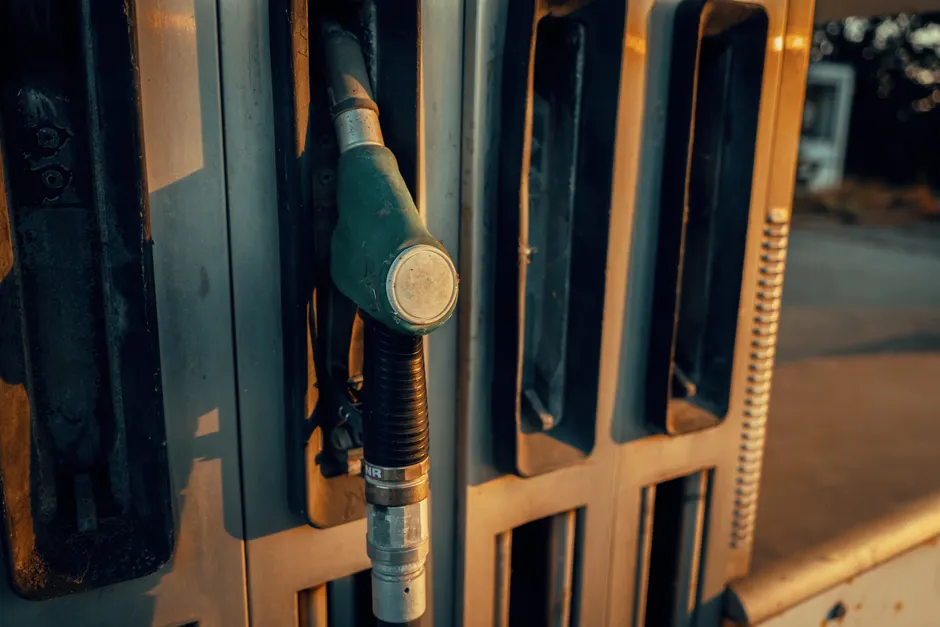
The poll was fielded amid the war in Iran, which has pushed gas prices sharply higher and appears to be the proximate driver of the shift since the previous wave. About half of Democrats, Republicans, and independents alike report trouble affording everyday necessities — gas and groceries chief among them — suggesting the strain is registering across the partisan spectrum even where interpretations of its causes diverge.
The most notable movement is among Republicans, whose economic sentiment has flipped in a matter of months. In February, 49% of Republicans said the economy was getting better and 22% said it was getting worse. By July, those numbers had nearly reversed: 27% now say better, 38% say worse. That is a 22-point swing on the positive side and a 16-point swing on the negative side within a single partisan cohort in five months, a pace of change that outstrips the poll's overall movement and points to a group reassessing conditions it had previously credited to favorable policy.
Rural Americans show a similarly steep shift. Sixty-four percent now say the economy is getting worse, up from 46% in February — an 18-point jump that outpaces the national increase and hints at geographically uneven exposure to fuel-price shocks, given rural households' typically longer commutes and heavier reliance on personal vehicles.
Faith in government's capacity to address the problem is thin across the board. Two-thirds of Americans say they have little confidence the federal government will improve the cost-of-living crisis they face. Even among Republicans — whose party controls the executive branch — only 49% expressed such doubt, a minority relative to the two-thirds nationally, though still nearly half.
Reading the Republican Reversal
The scale of the Republican shift merits scrutiny beyond the topline numbers. A swing of this magnitude in under half a year, without a change in party control of the White House, suggests something more specific than generalized economic anxiety: a war-driven fuel price shock landing on a base whose optimism was likely elevated for reasons tied to expectations rather than realized conditions. Whether that recalibration proves durable, or reverses if gas prices ease, is not something a single poll can answer, but the size of the move is itself a data point of consequence for anyone modeling midterm-cycle sentiment.
The rural divergence deserves similar caution before over-interpretation. Rural voters have historically leaned more favorably toward the current administration's economic messaging, and a jump of that scale suggests the affordability squeeze is not evenly distributed by geography — a pattern consistent with how gasoline price spikes tend to hit non-urban household budgets disproportionately, given weaker access to public transit alternatives.
The bipartisan convergence on affordability — roughly half of each partisan group reporting trouble with routine expenses — sits somewhat apart from the sharp partisan divergence on economic direction. That combination indicates Americans of different political stripes are experiencing similar pocketbook pressure even as they draw very different conclusions about the trajectory of the broader economy and who bears responsibility for it. Untangling perception from lived material conditions is exactly the kind of interpretive challenge pollsters and analysts face with numbers like these, and the Harris data does not resolve it so much as document it.
Other Harris Poll work this year offers adjacent context, if not directly comparable metrics. A "State of Real Estate" survey the firm published in April, drawing on 2,141 respondents, and an item from SXSW coverage finding that 75% of Hispanic voters in Texas named inflation and cost of living a top issue in 2026, both point toward affordability functioning as a persistent through-line in American public opinion this year rather than an artifact of any single geopolitical event Harris Poll.
The two-thirds figure on government distrust is worth sitting with longer than a single line in a topline release. Distrust of that scale, spanning partisan lines even if unevenly, tends to compress the political space available for any administration — of either party — to claim credit for future improvement, since skepticism this broad is not easily reversed by a single data release on inflation or wages. If gas prices retreat as the Iran conflict resolves, watch whether the July numbers prove a spike tied to a specific shock or the marker of a more entrenched shift in how Americans assess economic conditions heading into the next election cycle.


