Solos Unveils Camera-Less AirGo A6 Smart Glasses at 19 Grams
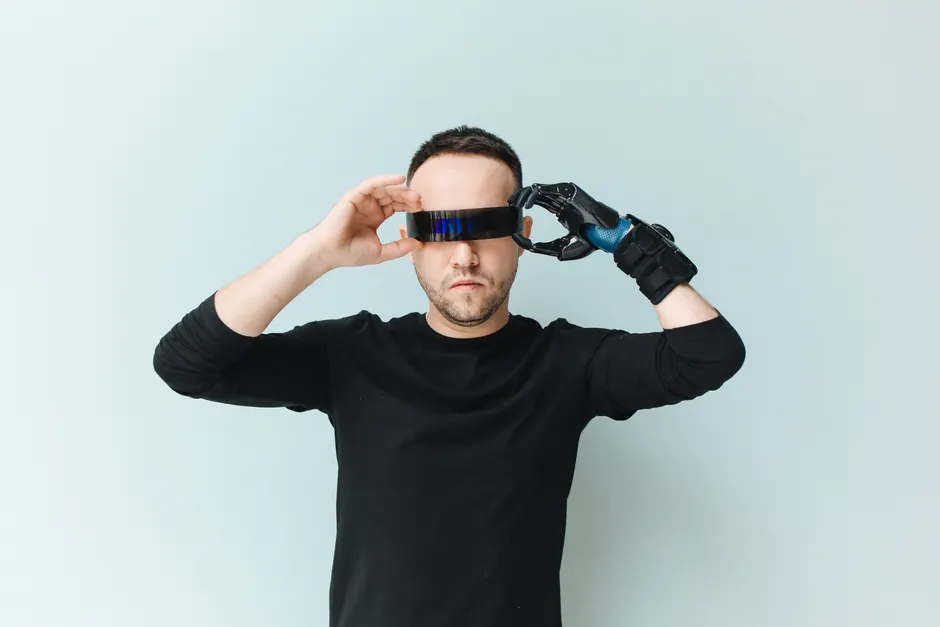
Solos has announced the AirGo A6, a camera-less smart glasses model built around voice-only interaction with its onboard AI assistant. The glasses weigh approximately 19 grams, roughly half the 36 to 40 grams of the previous AirGo A5 depending on frame style, according to The Verge. Pricing and availability have not been finalized.
The weight reduction comes largely from redesigned temple arms. Solos has slimmed the housing that carries speakers, batteries, and other electronics in the arms, which is where most of the mass in this class of device tends to concentrate. The A6 retains full prescription lens compatibility and ships in multiple styles, including transparent frames that expose the internal electronics rather than concealing them.
Functionally, the A6's AI assistant answers spoken queries, performs real-time translation, and sets calendar reminders, all without a camera feed to draw on. Speakers sit behind the ears in an open-ear configuration, letting the assistant play music or handle calls while the wearer retains awareness of ambient sound. This is consistent with Solos's existing audio-first approach across its AirGo line rather than a wholesale redesign of the interaction model.
The camera omission is the more consequential design decision here, and it puts the A6 in direct contrast with the AirGo V2, the company's camera-equipped model unveiled at CES 2026 with a 16MP sensor, electronic image stabilization, low-power Wi-Fi, and live-streaming support (Solos). Rather than replacing the V2, the A6 appears positioned as a parallel, privacy-oriented SKU within the same product family — a bet that a meaningful segment of buyers wants the AI assistant and audio features of smart glasses without the bystander-privacy friction a camera invites.
Solos is reinforcing that positioning on the V2 side as well. Alongside the A6 announcement, the company introduced privacy accessories for the camera-equipped V2: $39 transparent, non-powered replacement temples that let a wearer physically swap out the camera module, and a $49 clip-on camera privacy shield bundled with UV-protective clip-on sunglasses. All of the V2 privacy accessories are also available together in a $79 bundle, per The Verge.
Context matters for pricing expectations. The A5 launched at $249 with pre-orders opening in August 2025 and general availability in Q3 2025; the V2 started at $299 with Q4 2025 availability (VentureBeat). Both debuted on June 27, 2025. No comparable figures exist yet for the A6, but those two price points give a reasonable band to watch against once Solos finalizes numbers.
The broader context here is a market that has spent the better part of two years working out whether smart glasses need a camera to justify their form factor at all. Camera-equipped models from multiple vendors have run into recurring friction over bystander consent, venue bans, and the general unease of an always-on recording device worn at eye level in public spaces. A camera-less SKU sidesteps that entire conversation while still delivering the core value proposition many buyers actually want from smart glasses: hands-free voice access to an assistant, translation, and calendar functions, plus open-ear audio, at a fraction of the weight of earlier generations.
Whether that trade-off finds a durable audience is a separate question from whether Solos can execute on it. Nineteen grams is light enough to approach the weight class of premium eyewear frames rather than wearable electronics, which matters for all-day comfort in ways that spec sheets tend to understate. The transparent frame option, which puts the internal electronics on display rather than hiding them, is a notable design choice for a privacy-positioned product — it signals nothing to hide, literally, at the cost of some of the sleeker fashion positioning competitors have pursued.
For enterprise and accessibility buyers who have shown steady interest in AI-assisted eyewear for translation and reminders without recording obligations, a lighter camera-less option removes one of the more common objections raised during pilot deployments. It also gives Solos a two-tier product strategy that mirrors what's playing out elsewhere in wearables: a privacy-hardened variant sold alongside a feature-rich, camera-equipped one, letting the same company capture both halves of a market that hasn't yet settled on which trade-off consumers prefer.
Solos has not indicated when final pricing, exact release date, or full regional availability for the AirGo A6 will be confirmed.