Modi Arrives in Melbourne for Third Visit as Annual Summit Opens

Modi lands in Melbourne for third visit, first in three years
Narendra Modi arrived in Melbourne on Wednesday evening for his third visit to Australia as prime minister, and his first return to the city in more than a decade, ahead of the Australia-India Annual Leaders' Summit running 8–10 July The Guardian. Anthony Albanese will host Modi for the summit, the pair's latest sitting in a bilateral mechanism that has met annually since 2023 pm.gov.au. "I am honoured to welcome my friend Prime Minister Modi to Australia for our Annual Leaders' Summit," Albanese said in a statement released ahead of the visit pm.gov.au.
The trip lands at a moment of routine diplomatic traffic for Albanese, who was in Suva for a press conference on the Monday preceding Modi's arrival pm.gov.au, underscoring how the Melbourne summit sits within a broader schedule of Indo-Pacific engagements rather than as an isolated bilateral event.
A decade-long summit track record
The Annual Leaders' Summit format dates to March 2023, when the first iteration produced a joint communiqué in which Albanese congratulated Modi on India's G20 presidency pm.gov.au. The second summit, held in November 2024, saw Modi note his anticipation of hosting Australia at the Quad Leaders' Summit in India the following year — a statement mirrored in the joint text published by both governments, with India's Ministry of External Affairs carrying its own version of the same communiqué under its bilateral documents archive pm.gov.au mea.gov.in. The 2026 Melbourne summit is the third in that sequence and Modi's third visit to Australia overall since he became prime minister in 2014 The Guardian.
Marvel Stadium and the diaspora turnout
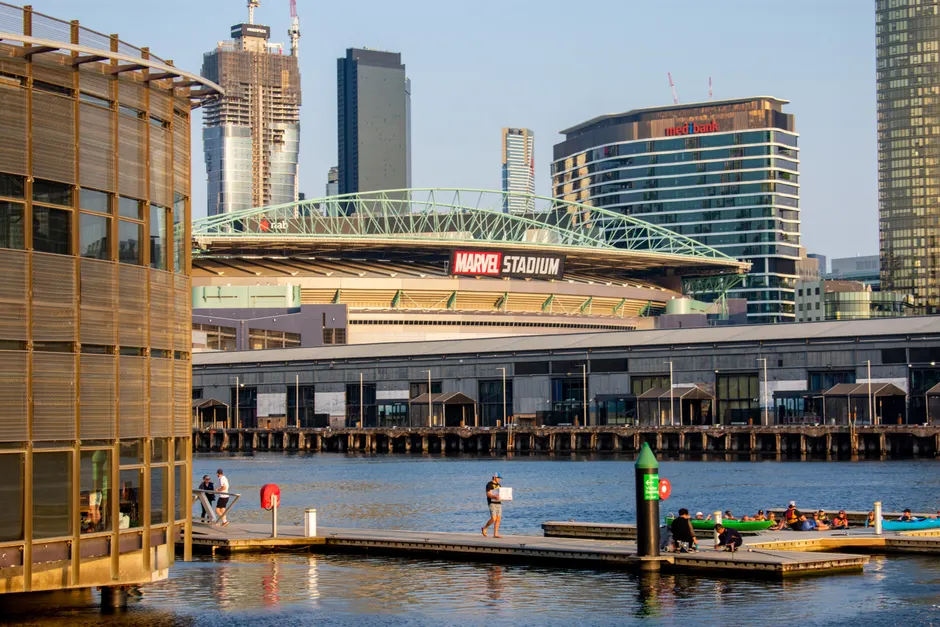
The visit's public centrepiece is Thursday's "Melbourne Meets Modi" event at Marvel Stadium, a free gathering hosted by the Australia India Foundation and expected to draw between 25,000 and 30,000 attendees, according to foundation spokesperson Pranav Aggarwal The Guardian. The program is billed to include performances drawing on Australia's Indian diaspora communities, and ABC News independently corroborated preparations for the event in its own Melbourne coverage published the same day ABC News. Stadium-scale diaspora rallies have become something of a signature for Modi's overseas trips, and the scale expected in Melbourne places this alongside his larger community events in other countries with significant Indian populations.
Security around the visit has drawn its own coverage. The Australian Federal Police issued a formal warning to a young person over an alleged online threat against Modi ahead of his arrival, first reported by the ABC ABC News and confirmed in the Guardian's account The Guardian. Victoria Police declined to detail security arrangements for the visit, citing standard operational practice around dignitary protection The Guardian.
Protest and human rights pressure
Not all of the reaction has been celebratory. The Alliance Against Islamophobia, a non-profit organisation, planned to protest the visit on Thursday evening, and Amnesty International has separately urged the Albanese government to raise India's human rights record directly with Modi during the bilateral talks The Guardian. Amnesty's specific asks include pressing India to let journalists and human rights advocates operate free of intimidation, and to address discrimination against religious and ethnic minorities.
The criticism tracks a familiar set of concerns raised about Modi's tenure since 2014. His Bharatiya Janata Party promotes Hindutva, a Hindu ethno-nationalist ideology, and the government's Citizenship Amendment Act — which fast-tracks citizenship for refugees from several countries while excluding Muslim-majority states — has drawn recurring criticism as discriminatory, including from the Guardian's own 2024 coverage of the law's enactment The Guardian.
The tension between the two storylines — a diaspora community organising a stadium-scale welcome, and rights groups pressing Canberra to use the summit's private sessions for uncomfortable conversations — is not unique to Australia's handling of Modi. Governments hosting Indian state visits have generally opted to compartmentalise: trade, defence and Quad-adjacent security cooperation dominate the public agenda, while human rights concerns, when raised at all, tend to surface in closed-door discussions rather than joint statements. Whether Albanese follows that pattern, or departs from it at Amnesty's urging, will likely only become clear once the summit's own joint statement is published after Friday.
What the Melbourne summit produces on trade, critical minerals or defence cooperation remains to be detailed in the eventual joint communiqué. Past iterations of this summit have used their concluding statements to record forward-looking commitments — the 2024 text's reference to the 2025 Quad summit being one example — so the substantive outcomes of this year's meeting will likely only be legible once that document is released later in the week.