Modi Draws Tens of Thousands to Melbourne as Australia Locks In Uranium Deal With India
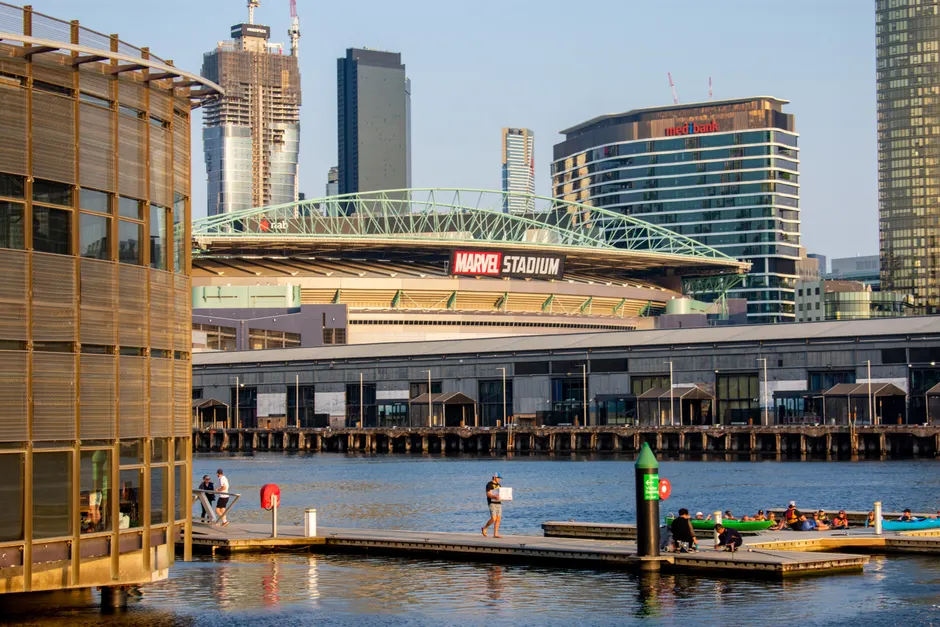
Tens of thousands of people filled Marvel Stadium in Melbourne on Thursday for "Melbourne Meets Modi," a community event staged during Indian Prime Minister Narendra Modi's first visit to Australia in three years. Organisers had expected up to 40,000 attendees for the gathering, which featured cultural dance performances showcasing the breadth of Australia's Indian diaspora The Guardian, Herald Sun.
The stadium rally was the public-facing element of a three-day visit built around substantive bilateral business. Earlier the same day, Modi and Australian Prime Minister Anthony Albanese convened the third India–Australia Annual Summit, an institutionalised leaders' dialogue now in its third iteration MEA. The two leaders also jointly addressed the Australia–India CEOs Forum and an Economic Roadmap Business event in Melbourne, signalling the commercial ambitions layered onto the strategic relationship MEA.
The headline outcome from the summit was a uranium exports agreement, under which Australia would supply uranium to India for what officials described as "peaceful purposes." The framing echoes the language typically attached to civil nuclear cooperation arrangements under IAEA safeguards, distinguishing fuel destined for power generation from any military application. Canberra and New Delhi had actually reached an in-principle uranium sale agreement back in 2014, but regular shipments never materialised — a gap the new deal is intended to close The Guardian. The summit's list of outcomes also included finalisation of an Administrative Arrangement, the kind of implementing instrument that typically operationalises safeguards and verification procedures attached to nuclear material transfers MEA.
Alongside the uranium announcement, Albanese and Modi confirmed strengthened defence ties, though the Guardian's reporting did not detail specific new instruments or force-posture arrangements beyond the general commitment The Guardian.
The twelve-year gap between the original 2014 uranium sale agreement and actual movement on shipments says something about how slowly nuclear-adjacent commerce tends to move even between friendly, safeguards-compliant partners. Export licensing, safeguards verification, and the commercial logistics of establishing a new supply chain for a heavily regulated commodity rarely proceed at the pace diplomatic communiqués suggest. Whether this iteration of the agreement produces actual tonnage moving through Australian ports will be the test of whether Thursday's announcement was substantively different from 2014's.
Modi's stop in Melbourne was one leg of a broader regional itinerary. He travelled to Indonesia from 6 to 8 July before arriving in Australia, and the same itinerary included a subsequent stop in New Zealand, according to India's Ministry of External Affairs MEA. The sequencing places the Australia visit inside a wider push by New Delhi to deepen engagement across the Indo-Pacific, a region where India has steadily expanded its diplomatic and economic footprint alongside its participation in groupings like the Quad.
The visit was not without friction. Protests took place outside Marvel Stadium ahead of the event, drawing condemnation from human rights organisations and from some members of Australia's Muslim and Sikh communities The Guardian. Amnesty International specifically called on the Albanese government to raise India's human rights record during the bilateral talks. Critics of Modi's government have long pointed to India's March 2024 citizenship law, which fast-tracked citizenship for refugees from designated countries while excluding Muslim-majority states from its provisions, as emblematic of broader concerns about religious minority treatment under his administration, which has governed since Modi's 2014 election.
Security concerns also shadowed the run-up to the visit. The Australian Federal Police identified a young person responsible for an online threat directed at Modi ahead of the Melbourne trip and issued that individual a formal warning, according to reporting three days before the event ABC News.
Asked how Canberra reconciles deepening strategic and commercial ties with India against the human rights concerns raised by advocacy groups, a spokesperson for the Department of Foreign Affairs and Trade said the relationship between the two countries allows Australia "to speak directly and respectfully about important issues, including points of disagreement" The Guardian.
That formulation is a familiar one in diplomatic practice — the language governments reach for when they want economic and security cooperation to proceed on a separate track from unresolved disagreements on rights and governance. Whether Canberra's private conversations with New Delhi go beyond that rhetorical framing is not something publicly available records can confirm. What is verifiable is that the uranium deal and defence commitments announced Thursday advance on a track independent of the human rights concerns being raised in parallel — a pattern consistent with how Western democracies have generally managed the relationship with India in recent years, prioritising strategic alignment over conditionality tied to domestic governance.


