Netflix to Stream BuzzFeed, Condé Nast, Variety Video Starting Aug. 3
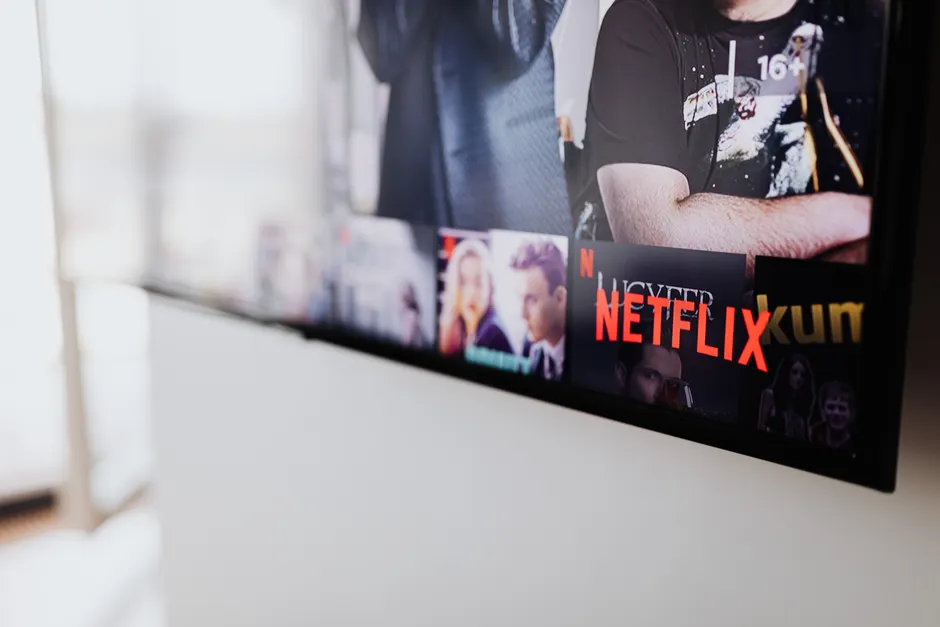
Netflix will begin streaming short-form video from dozens of digital media brands on August 3, 2026, including BuzzFeed, Condé Nast, Hearst Magazines, People Inc, Tastemade, Penske Media Corporation (via its PMX division), and — per TechCrunch's original reporting — Variety and Rolling Stone The Verge. The content will be surfaced directly from the Netflix homepage, sitting alongside scripted series and film in the platform's core discovery surface The Hollywood Reporter.
The deal covers both licensed back catalog and net-new commissioned series that would ordinarily have premiered on YouTube or another open web platform. Confirmed titles include Architectural Digest's "Open Door" and Vanity Fair's "Lie Detector Test," with Variety contributing "How Well Do They Know Each Other" Variety. Runtimes span roughly 3 to 20 minutes according to Netflix and The Verge, while TechCrunch's initial report put the range slightly wider, at 2 to 20 minutes TechCrunch. Subject matter runs across food, travel, fashion, entertainment, design, and wellness — territory that maps closely onto the lifestyle-vertical strength of the participating publishers.
Netflix's own framing, echoed across its Tudum announcement and coverage, is that subscribers will be able to watch content "from around the Internet without having to leave Netflix." The company has left the door open to expanding the roster, saying additional digital publishers and partners may be added over time.
TechCrunch broke the story on July 7, 2026, ahead of Netflix's own Tudum post detailing the lineup.
The timing invites a fairly obvious read alongside a separate Bloomberg report, also referenced in The Verge's coverage, that found some Netflix second-season renewals shedding up to 70 percent of their first-season audience. Netflix has not linked the two developments explicitly, and no source ties the publisher deal to a stated retention strategy. But the juxtaposition is hard to ignore for anyone tracking Netflix's engagement metrics: a platform grappling with steep second-season drop-off is simultaneously importing the exact runtime and format conventions — 3-to-20-minute vertical- and horizontal-friendly lifestyle content — that have kept YouTube and TikTok sticky for over a decade.
Structurally, this is a different move than Netflix's prior forays into unscripted short-form, such as its own produced clip shows or social-cut promotional content. Here Netflix is acting as a distribution and discovery layer for content whose commissioning, production, and in many cases talent relationships remain with the publisher. That's a licensing posture closer to a cable carriage deal than a traditional content acquisition, and it raises the obvious question of monetization split, ad load (if any), and whether these views count toward Netflix's public engagement disclosures the same way scripted hours do. None of the sources address rev share or measurement treatment, which will matter to the publishers' own ad sales teams and to any analyst trying to model incremental Netflix engagement per subscriber.
For publishers, the calculus is more straightforward: Netflix's roughly 300-million-plus global subscriber base offers a distribution surface with a completion-rate and reach profile that YouTube's open, algorithmically fragmented feed doesn't guarantee. Condé Nast, Hearst, and Penske Media (through PMX) all sit atop video operations that have spent a decade building for platforms with far less controlled, ad-supported, or unpredictable discovery mechanics than Netflix's curated homepage. Handing Netflix a first-look or exclusive window on any given series — the sourcing doesn't specify exclusivity terms — trades some upside for guaranteed reach.
Worth flagging: Netflix's stated ambition to be the place users find content "from around the Internet" is the kind of language that, if taken at face value, positions the service less as a premium SVOD library and more as an aggregation layer competing directly with YouTube's own long-tail lifestyle programming. Whether that ambition holds — and whether subscribers actually engage with 3-minute Architectural Digest tours the way they engage with hour-long dramas — is an open question none of the current reporting answers with viewership data. Netflix has historically been reluctant to release granular metrics on unscripted or licensed short-form performance, and there's no indication that will change here.
In the near term, the practical effect for engineering and product teams inside these publishers is a new distribution pipeline to build against: Netflix's ingest specs, metadata requirements, and homepage surfacing logic are a different technical target than YouTube's Content ID and recommendation stack, or Facebook Watch's now-largely-abandoned equivalent. Expect publisher video teams to spend the next several weeks reverse-engineering what "Netflix native" packaging looks like, much as they once did for Snapchat Discover and Quibi before it.
What this ultimately enables, assuming Netflix does add publishers as promised, is a genuine test of whether a subscription-first platform can absorb open-web content habits without diluting its core value proposition. That's a bet worth watching over the next few quarters, not just at launch on August 3.


