Kospi Enters Bear Market as Chip Selloff Deepens 20% Drawdown
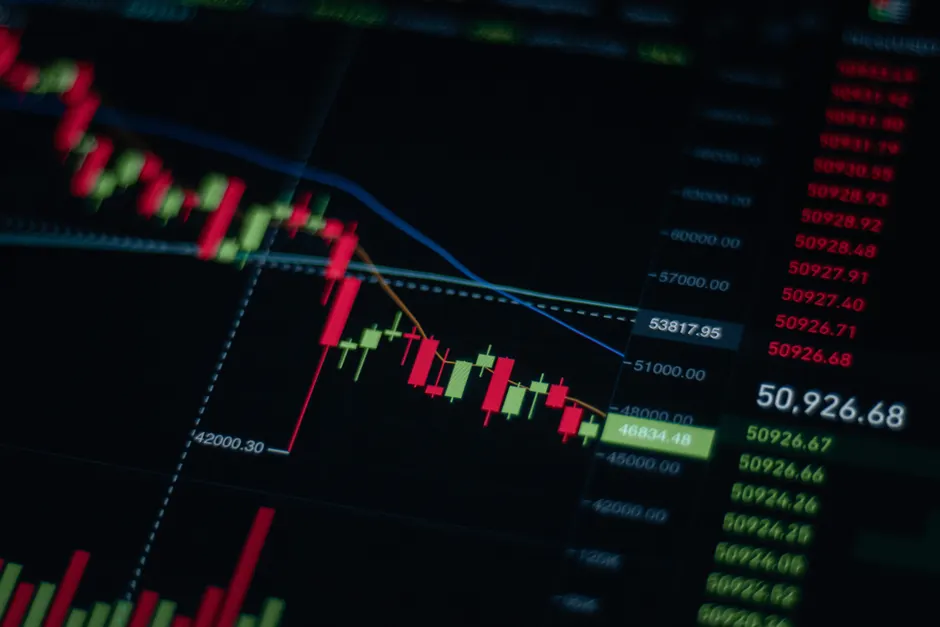
South Korea's Kospi closed down 20% from its June record on July 7, 2026, meeting the technical threshold for a bear market Moneycontrol. The benchmark's slide has been building for two weeks, but the confirmation crystallizes what had been a rolling drawdown across the country's chip-heavy index into a formal regime change for traders, risk managers and anyone marking Korean equity exposure to market.
The proximate trigger was a semiconductor selloff that started well before this week. On June 23, the Kospi fell 9.99% intraday — its steepest single-session drop in more than three months — with SK Hynix and Samsung Electronics both sliding over 12% before a 20-minute circuit-breaker halt kicked in Bloomberg. Reuters attributed that single-day plunge to a combination of overseas tech weakness and regulatory intervention: Korean authorities had cautioned on leveraged-ETF exposure just as the broader market was already digesting an unwind in high-beta names Reuters. Leveraged and inverse ETFs on the Kospi have a retail following in Korea disproportionate to their size elsewhere, and forced deleveraging in that segment tends to amplify moves on both the way up and the way down.
The chip-sector stress didn't stay contained to that one session. Bloomberg reported on July 2 that a renewed selloff in chip stocks spread into the Korean market, pulling the Kospi lower again as the broader AI-hardware trade came under pressure Bloomberg. By July 7, the cumulative effect pushed the index the full 20% below its June all-time high, and CNBC's live markets desk flagged the bear-market threshold being crossed in its rolling coverage that day CNBC. The Economic Times, citing the sharp selloff, reported South Korea's finance minister responded publicly to the move once the 20% mark was breached Economic Times.
The Wall Street Journal framed the episode within a wider Asian equity pullback, noting Korea's bear-market dip helped drag regional indices lower as the chip-led AI rally that had powered gains through the spring took what the paper described as a pause WSJ. That framing matters for how traders should read this: Kospi's drawdown isn't purely idiosyncratic to Korean corporate fundamentals. It's tightly correlated with memory-chip pricing expectations and the broader derating of AI-infrastructure names that Samsung and SK Hynix are levered to through HBM and DRAM supply contracts.
The mechanics of the June 23 crash are worth dwelling on for anyone running risk on the Kospi 200 or related derivatives. A near-10% single-day move triggering a trading halt is a tail event even by Kospi's historically volatile standards, and the fact that it happened alongside — rather than independent of — a regulatory warning on leveraged ETFs suggests market structure amplified what might otherwise have been an ordinary tech-sector correction. Anyone marking VaR models to Korean equities through this period should note that realized volatility over the past fortnight has likely blown through most historical percentile bands, with knock-on effects for margin requirements on leveraged and inverse products.
What's less clear from the reporting is whether the 20% bear-market line represents exhaustion of the selling or simply a round-number checkpoint on a longer slide. None of the sources cited offer forward guidance on that question, and the finance minister's comments, as relayed by the Economic Times, appear to be a policy response to the crash rather than a market call. Traders should treat the bear-market label itself as a lagging, backward-looking classification — it describes the drawdown that has already happened, not what happens next. The correlation with the broader AI-hardware trade globally is the thread worth watching: if chip pricing stabilizes or the AI capex narrative reasserts itself, Samsung and SK Hynix have the scale to lead a recovery. If it doesn't, Korea's index concentration in a handful of semiconductor names means the Kospi has limited diversification to cushion further declines.


