Jet2 Shares Jump 10% as Summer Bookings Rebound From Middle East Conflict Slump

Jet2 shares rose about 10% in early trading on Wednesday after the UK's largest package holiday operator reported summer bookings up 7.1% year-on-year, with average load factor 1.2 percentage points higher than the same period last year. The Guardian
Jet2, listed on the London Stock Exchange and carrying roughly 20 million passengers annually, attributed the rebound to consumers who had previously delayed booking because of the Middle East conflict and the fragile ceasefire that followed. Chief executive Steve Heapy said Turkey, Cyprus, the eastern Greek islands, Bulgaria and parts of north Africa saw the strongest percentage recoveries among the carrier's destinations — a pattern consistent with routes most directly exposed to regional risk perception snapping back once that risk appeared to recede.
The rebound follows a period of caution flagged by the company itself. In late April, Jet2 warned of slower summer bookings, citing the conflict's drag on travel demand, even as it maintained that annual profit would still meet estimates Reuters. At that point, its 28 April trading update showed booked-to-date passengers up 6.2% year-on-year, a deceleration from the 7.9% growth reported in the 24 February update, when the carrier's London Gatwick base alone had logged more than 0.26 million passengers London Stock Exchange. The gap between those two figures — 7.9% falling to 6.2% — is the arithmetic trace of the geopolitical hesitation that Jet2's management is now describing as reversed.
Capacity context matters here. Jet2's February 2026 trading update put Summer 2026 on-sale capacity at 20.0 million seats, 8.0% above Summer 2025 Jet2 plc. By the April update that figure had eased slightly to 19.9 million seats. The company's preliminary results, published the same day as Wednesday's trading comments, put Summer 2026 capacity growth at 7.7% versus Summer 2025 — modestly below the February projection — and explicitly credited booking momentum to reduced geopolitical uncertainty Jet2 plc. That framing links two distinct datasets — supply added over a year in advance through aircraft and slot commitments, and demand recovering in the weeks before departure — and Jet2's hedging position, roughly 70% covered for Summer 2026 as of its November 2025 interim results, gives it some insulation from fuel-price volatility while that demand story plays out.
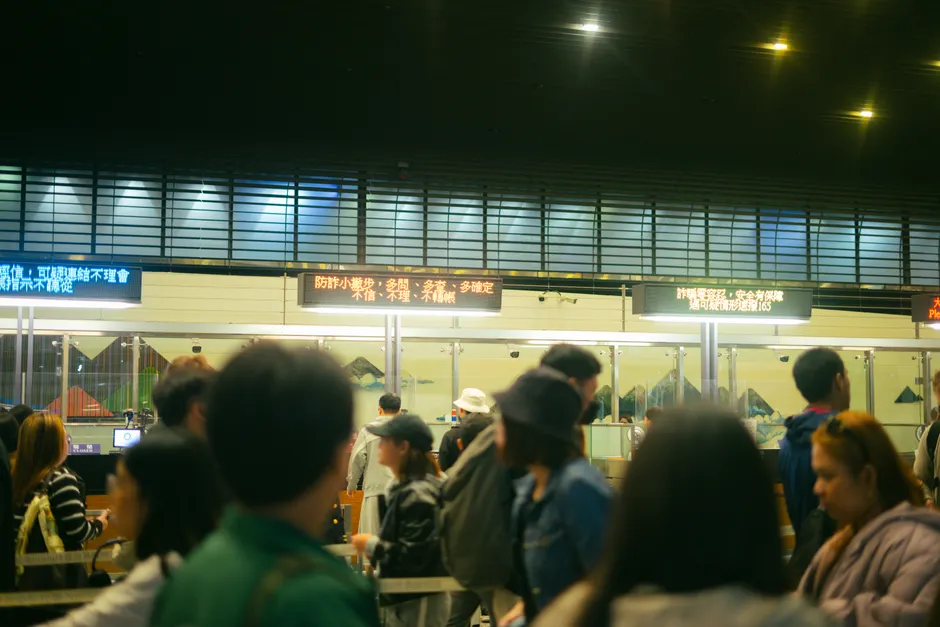
The recovery is unfolding alongside operational friction that has nothing to do with the Middle East. A new EU border check system requiring fingerprinting and facial recognition has produced hours-long queues at major continental airports, and airport and airline bodies have pressed Brussels this week to suspend the rollout. The European Commission has declined to do so. Jet2 said none of its own flights had departed leaving passengers behind despite the disruption, a distinction worth noting given that the delays are occurring on the arrival and border-control side of the journey rather than at Jet2's check-in or gate operations, where the company retains direct control.
Booking behaviour has also shifted in ways that outlast any single geopolitical episode. Abta, the UK travel trade body, found that 84% of people planning a holiday abroad this summer are opting for short-haul trips, and that 30% intend to book just two to four weeks before departure. That second figure is the more consequential one for operators: a market where nearly a third of travellers book within a month of flying compresses the visibility airlines have traditionally relied on for yield management and crew scheduling, and it helps explain why Jet2's own booking curve showed such a pronounced dip-and-recovery pattern within a matter of months rather than smoothing out over a full season. UK holiday parks and hotels have reported their own uptick in domestic bookings, suggesting some of the caution earlier in the year translated into staycation demand rather than disappearing altogether.
None of this settles what happens if the ceasefire underpinning the current recovery proves as fragile as Jet2 itself described it. The airline's language — "fragile ceasefire" — is doing real work here, flagging that the underlying geopolitical risk has not been resolved, only that market pricing of it has eased for now. Investors bid the stock up 10% on the day, which reads less as confidence that the conflict is over than as relief that a specific quarter's booking numbers came in ahead of the caution management itself had signalled in April. Jet2 previously scheduled its AGM for 4 September 2025, where a further update on peak summer trading was expected; whatever comparable update follows this year's peak season will be the next test of whether Wednesday's bounce reflects a durable shift in traveller sentiment or a short-covering of pent-up demand concentrated in a handful of eastern Mediterranean and north African routes.