Trump Threatens US Takeover of Kharg Island as Iran Ceasefire Collapses

Donald Trump said on July 8 that the United States "may take over" Kharg Island, Iran's principal crude export terminal, hours after confirming US strikes hit the island overnight. Speaking to reporters on the sidelines of the NATO summit in Türkiye, Trump declared the interim ceasefire with Iran "over" and said the military had been ordered to "hit them hard tonight" for a second consecutive night Al Jazeera.
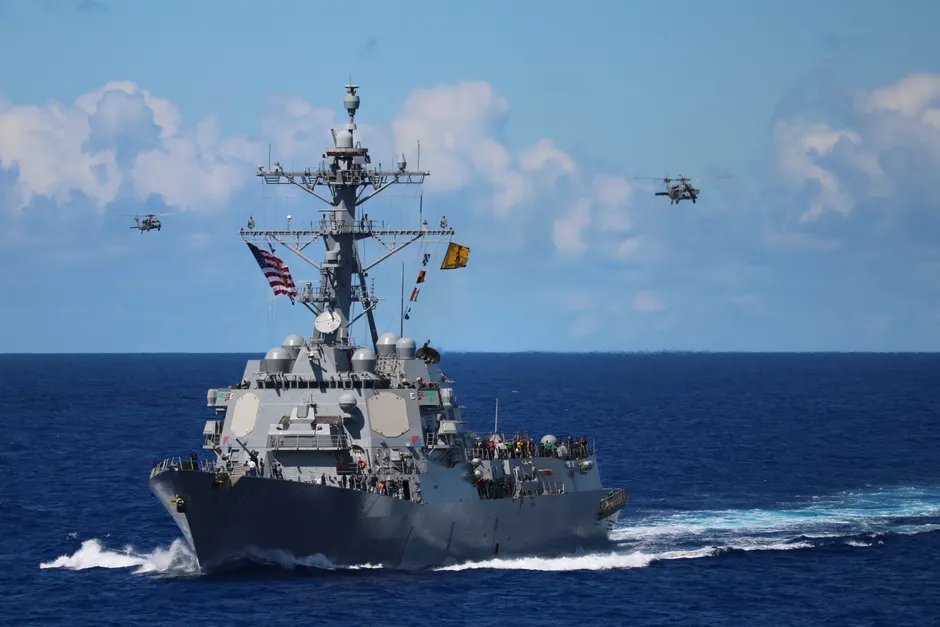
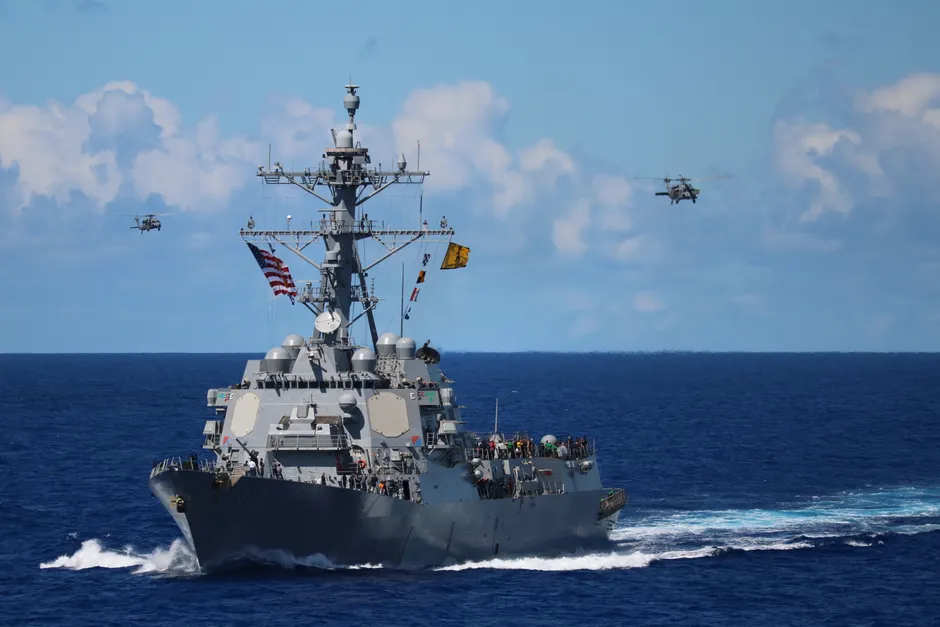
The renewed strikes followed attacks on three tankers in the Strait of Hormuz, which Washington attributed to Iranian forces. Trump said US operations had "knocked out 28 boats last night," while US Central Command put the figure at more than 60 IRGC vessels hit in the same window Al Jazeera. The discrepancy between the two figures went unaddressed by the White House at the summit.
Kharg Island sits roughly 55km off Iran's coast in Bushehr province and handles approximately 90 percent of the country's crude oil exports, making it the single most consequential node in Iran's hydrocarbon economy Al Jazeera. Trump said he had personally instructed the military to spare the oil infrastructure there — "Don't touch the oil, because maybe we'll take over Kharg Island" — explaining why overnight strikes on the island reportedly avoided export facilities Washington Examiner. He also floated reinstating a blockade of Iranian ports and warned, "There may be a big attack, and it'll knock out a lot of stuff" Times of Israel.
Trump referred to the Iranian leadership as "scum" while announcing the collapse of the ceasefire arrangement, a marked escalation in rhetoric from a president who as recently as late March described his administration as being "in talks with Iran" New York Post; AP.
The Kharg Island seizure idea did not originate this week. Trump first floated it publicly in a Fox News interview on June 11, then within the same day said an attack on the island was "off the table for now" Reuters; Reuters. He revived the threat again later in June, calling it his preferred option, and now for the third time in a month has put it back on the table Al Jazeera. The pattern of raising and retracting the threat suggests it functions partly as coercive signaling rather than a settled operational plan, though the overnight strikes indicate the underlying military option remains live.
On Truth Social, Trump has offered a more expansive rationale, writing that at "some point in the not too distant future, we will be taking Kharg Island, and other oil infrastructure points, and assume total control of their Oil and Gas Markets" Truth Social. In the same post he claimed Iran's "Navy, Air Force, Radar, Anti Aircraft, and all other forms of Defense, together with most of its offensive capability, are GONE" — an assessment that has not been independently verified and stands as a contested claim rather than a confirmed fact. A separate post referencing March strikes said the US had "obliterated" military assets on Kharg Island while deliberately sparing oil infrastructure "for reasons of decency," a formulation that predates and foreshadows the current framing around a potential takeover Truth Social; AP.
Trump has also qualified the seizure threat by noting it "would have to be a joint effort," a caveat delivered in March that has not been repeated with specificity since — leaving open which allies, if any, Washington expects to participate in occupying and administering the terminal AP.
The stakes of any actual occupation of Kharg Island go well beyond the immediate military exchange. Physical control of a facility moving nine-tenths of a country's oil exports would amount to direct US custodianship of Iran's primary source of hard currency, a step with implications for global crude markets, for the legal architecture around occupation of sovereign territory, and for how Gulf states and China — Iran's largest oil customer — respond. Trump's own language about "total control" of Iran's oil and gas markets goes further than seizure of a single facility; it gestures at a durable US role in administering Iranian energy exports, a proposition with few postwar precedents outside of formal occupation regimes.
Whether the threat translates into deployment of US forces onto Iranian territory is a separate question from the strikes themselves. Strikes on IRGC vessels and even military assets on Kharg Island fall within a pattern of stand-off engagement the US has used intermittently since March. Landing forces to hold and operate the island would be a materially different undertaking, requiring sustained logistics, exposure to asymmetric retaliation, and — per Trump's own March remarks — likely coalition participation that has not yet been secured or specified.