US Hits Iran for Second Straight Night as Trump Declares Ceasefire 'Over'
The US military struck targets inside Iran for a second consecutive night on July 8, 2026, hours after President Trump declared that the interim ceasefire agreement between Washington and Tehran was "over." The Guardian reported that an unnamed US official told Reuters the Wednesday-night wave was expected to be larger than the first round conducted a day earlier.
Iranian state media reported explosions in Bandar Abbas, the port city commanding the Strait of Hormuz; Sirik, a southern coastal city; and Bushehr province, home to Iran's nuclear-power-plant complex. Iran's Mehr news agency said the strikes on Bushehr caused no damage to the nuclear plant itself. State TV also reported explosions on Abu Musa Island, one of three small islands claimed by the UAE that anchor Iran's control over shipping lanes through the Strait.
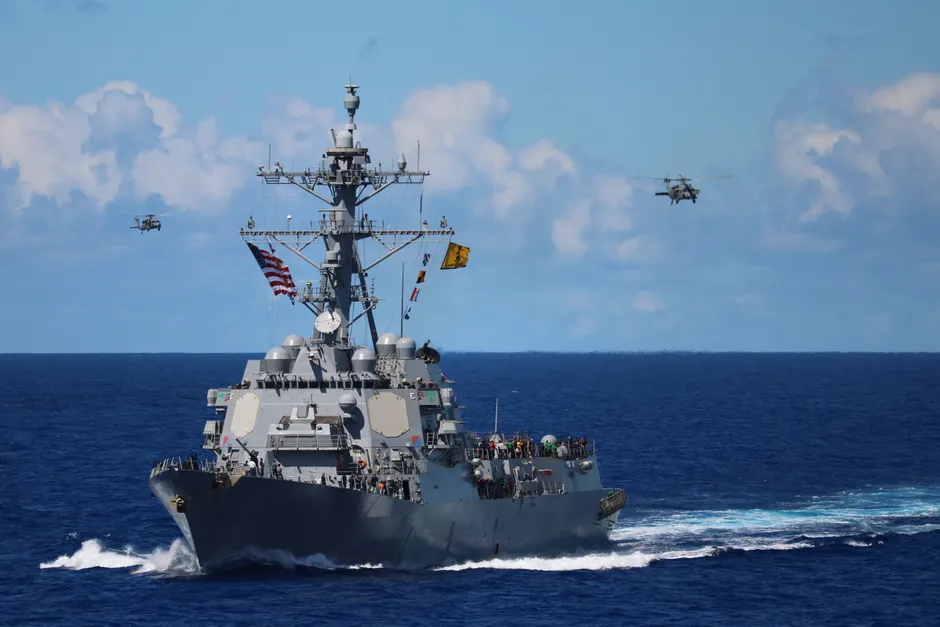
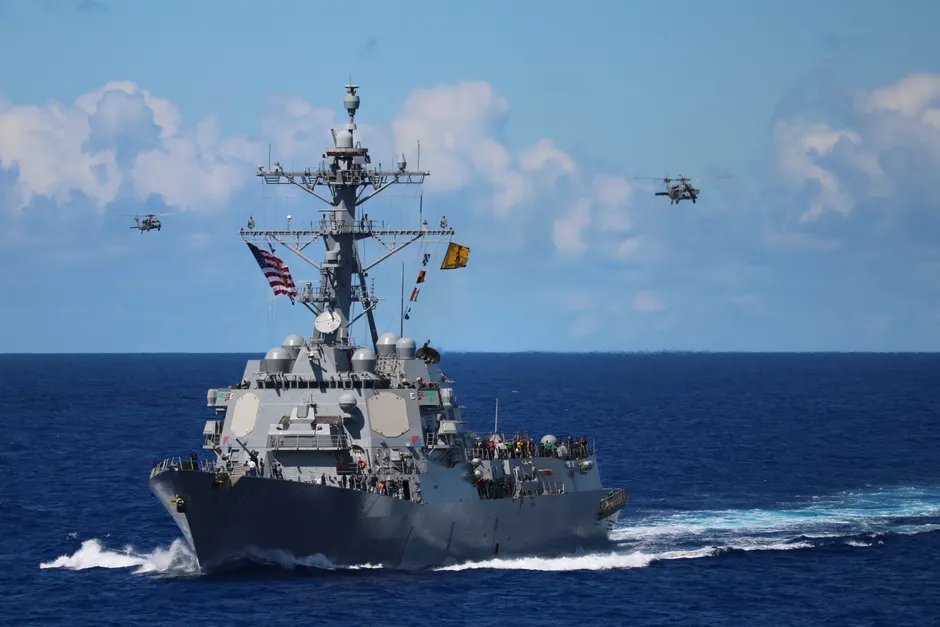
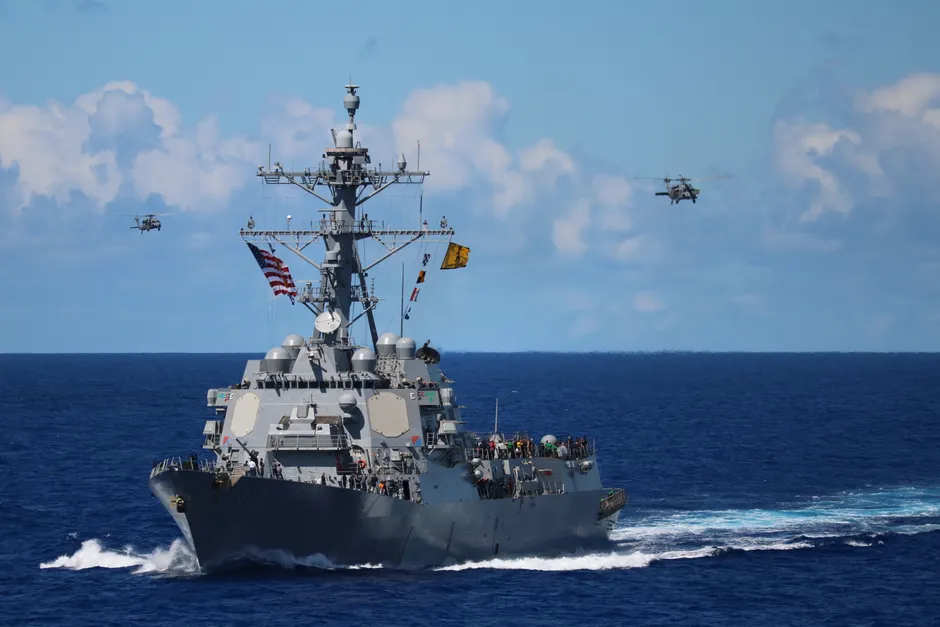
US Central Command confirmed the strikes, saying they aimed to "further degrade" Iran's ability to threaten freedom of navigation in the Strait of Hormuz — language consistent with CENTCOM's framing of the July 7 round, which it said hit more than 80 targets with precision strikes, according to a CENTCOM release.
Trump, speaking at the NATO summit in Ankara and later posting on Truth Social, framed the action as retribution for Tuesday's attack on three cargo ships transiting the Strait of Hormuz, which he said involved Iranian drones and a missile. "If it happens again, it will get much worse!" he wrote. He told reporters the US would "probably hit them hard again tonight" but that the campaign would not amount to "long-term" military action.
Iran said it had struck US military sites in Bahrain and Kuwait in response to the earlier American strikes on its infrastructure, a claim reported by Reuters. Tehran has argued that the interim ceasefire deal itself grants it authority to manage traffic through the Strait, a position Washington rejects.
The interim agreement — a memorandum of understanding signed June 17, 2026 — had followed weeks of on-again, off-again escalation. Around June 10, US airstrikes on Iran triggered Iranian retaliation against Gulf states, according to AP; a second round of strikes ran into the morning of June 11 before Trump cited progress in talks and called off further action that same day, per AP. A tanker strike in the Hormuz corridor prompted fresh US strikes around June 27, after which both sides agreed to halt hostilities and renew talks, according to Reuters. That truce lasted roughly ten days.
Alongside the strikes, the US Treasury revoked a temporary sanctions waiver that had permitted Iran to export oil, closing off one of the economic levers built into the June accord. Markets responded immediately: US equities fell Wednesday, and Brent crude jumped more than 5%, closing near $80 a barrel.
The pattern across this cycle — strike, brief diplomatic reset, renewed strike — has now repeated at least three times since early June, each iteration compressing the interval before collapse. The June 17 memorandum was framed at signing as a mechanism to stabilize Hormuz shipping and de-escalate after the June strikes on Iranian air defense, surveillance, and communications sites, per earlier CENTCOM releases. Its collapse after barely three weeks suggests the underlying dispute over control of Strait traffic was never resolved so much as papered over.
The broader stakes here extend beyond the bilateral US-Iran confrontation. The Strait of Hormuz carries a substantial share of global seaborne oil trade, and the Brent price move Wednesday reflects market pricing of sustained disruption risk rather than a single incident. Revocation of the oil-export waiver removes Iran's principal financial incentive to hold to any future truce, which narrows the diplomatic off-ramps available to both governments.
This is also not the first time Iran-related combat operations have generated diplomatic collateral damage well beyond the Gulf. A Pentagon quarterly report noted that US-Israel combat operations in Iran forced the postponement of US-Ukraine-Russia peace talks that had been scheduled for March 11 in Istanbul, according to a Defense Department oversight report. That precedent illustrates how a Gulf conflict absorbs diplomatic bandwidth that other theaters depend on, even when the fighting itself stays contained to the Strait.
Trump's insistence that the current round will not become "long-term" military action leaves considerable room for interpretation. Whether that holds depends largely on whether Iran conducts further attacks on shipping — the trigger Trump cited for both this week's strikes and the June 27 round — and on whether Tehran calculates that the loss of its oil-export waiver makes continued confrontation cheaper than compliance.