PC Shipments Drop for First Time in Two Years as AI-Driven Memory Shortage Bites

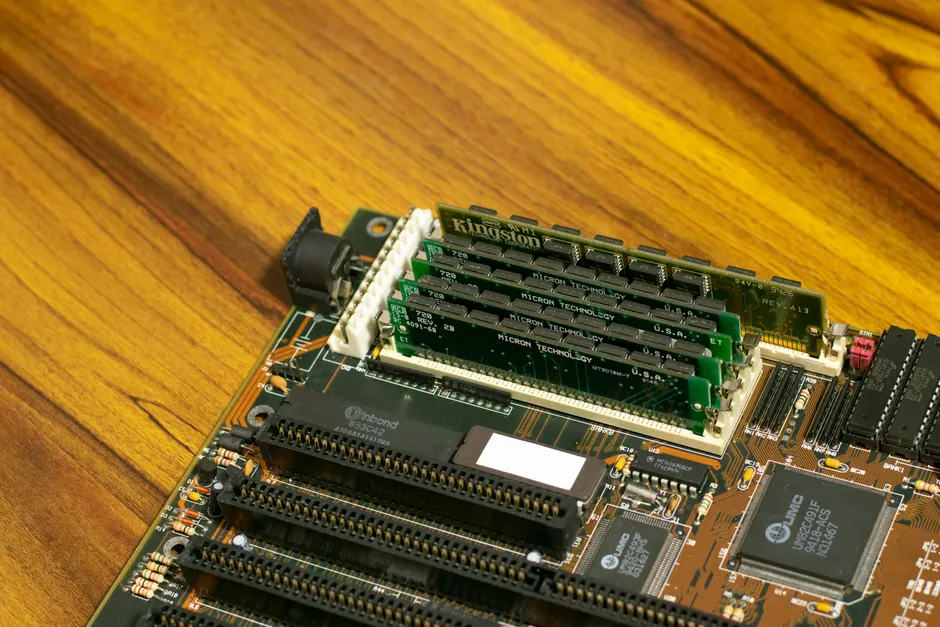
Worldwide PC shipments fell to 68.2 million units in the second quarter of 2026, a decline of nearly five percent, according to IDC. It is the first quarterly drop after nine straight quarters of growth, and IDC attributes it to an AI-driven memory shortage the firm now expects to persist until 2028, per Engadget.
The comparison points matter here. Q2 2025 shipments had reached 68.4 million units, up 6.5% year-over-year at the time (IDC). Q3 2025 pushed further, to 75.8 million units, a 9.4% jump (IDC). Gartner's parallel tracking told a similar growth story through early 2026: 62.8 million units in Q1 2026, up 4% year-over-year (Gartner). That expansion run is now over, at least by IDC's count.
Notably, unit declines have not translated into revenue declines for PC vendors. IDC and Engadget both note that manufacturers are passing memory and storage cost increases through to consumers faster than demand is softening, so vendor revenues are still climbing even as shipment volumes shrink. Jitesh Ubrani, an IDC researcher, said vendors are bracing for further price hikes into 2027 (Engadget).
A shortage that predates this quarter's numbers
The memory crunch behind this quarter's figures has been building for months. IDC's own blog flagged in February that OEMs were rushing product out the door in Q1 2026 specifically to beat further price increases on memory and storage components (IDC). That front-loading helps explain why Q1 2026 shipments still showed growth by Gartner's count even as the underlying supply picture was already deteriorating.
By June, IDC had sharpened its full-year outlook considerably. Its June 2 forecast projected 2026 global PC shipments would fall 11.3%, with the memory shortage persisting through 2027 (IDC). A week later, IDC's broader Personal Computing Device forecast — which folds in tablets alongside traditional PCs — was revised to show an 8.9% year-over-year decline for Q2 2026 and a 10.4% drop for the full year (IDC).
Gartner reached similar conclusions from a different angle back in February, when it forecast that surging memory costs would cut global PC shipments 10.4% and smartphone shipments 8.4% for all of 2026 (Gartner). The convergence of two independent research firms on comparable double-digit decline figures, arrived at through different methodologies and months apart, gives the current shortage narrative more weight than a single data point would.
Why memory, and why now
The proximate driver is demand from AI infrastructure. DRAM and NAND flash fabs have been reallocating capacity toward the high-bandwidth memory and enterprise-grade storage that AI accelerators require, tightening supply for the commodity memory that goes into consumer PCs and phones. That dynamic has been visible in component pricing for over a year, and it now shows up cleanly in shipment volumes.
The pattern of vendors raising average selling prices while volumes contract is a familiar one from prior component shortages — the 2021 GPU and automotive chip crunches both produced similar revenue-volume divergence. What distinguishes this cycle, in this author's view, is the duration: IDC and Gartner are both now pointing to a shortage that stretches into 2027 or 2028, rather than the roughly year-long disruptions seen in past cycles. That is a long enough runway to reshape refresh cycles for enterprise IT buyers who typically plan hardware procurement three to five years out.
Worth flagging: the research landscape itself has shifted alongside the market it tracks. Canalys, long one of the three major PC-tracking firms alongside IDC and Gartner, now publishes its shipment data under the Omdia brand rather than the Canalys name, per the firm's own newsroom pages. Omdia's Q2 2025 count — 67.6 million units, up 7.4% — sat close to IDC's figure for the same quarter, suggesting the rebrand has not introduced a significant methodological break, though readers tracking historical PC shipment series should note the name change when reconciling older Canalys citations with current Omdia output.
For enterprise buyers and OEMs, the immediate practical question is procurement timing. Vendors bracing for further price increases into 2027 gives IT departments an incentive to lock in hardware orders now rather than wait, which could itself add near-term demand pressure on top of an already constrained memory supply. Whether that dynamic eases or compounds the shortage over the next several quarters will depend heavily on how quickly memory fabs can rebalance capacity between AI infrastructure and consumer-grade output — a rebalancing that, on the current timeline, is not expected before 2028.